

LITFL Update 062

Sending you free open-access medical (FOAM) content from around the globe. We keep an eye on all the trends and best articles and share them with you so that you stay on top of your field.

CT Case 104: A 45-year-old female presents with shoulder pain, swelling, and reduced range of motion following a seizure. An X-ray of the shoulder found an enlocated shoulder with an irregularity around the glenoid rim. A CT of the left shoulder is arranged.
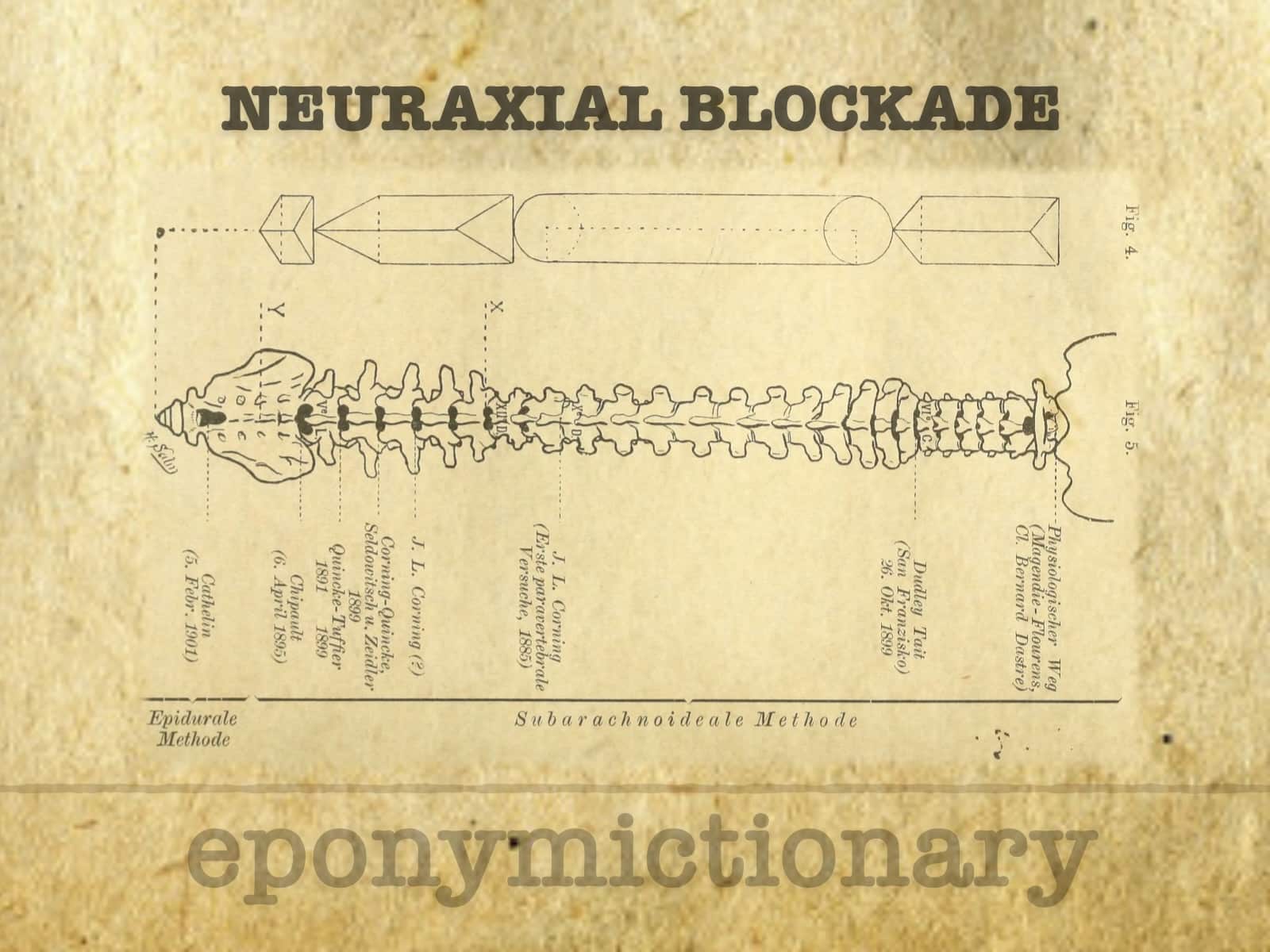
Neuraxial anaesthesia (neuraxial blockade) refers to local anaesthetic techniques delivered around the spinal cord and nerve roots, principally spinal anaesthesia (intrathecal/subarachnoid) and epidural anaesthesia (extradural/peridural, including caudal).

Professor Dame Averil Mansfield emphasizes responsibility and competence in leadership rather than performance. She advocates for generalism in medicine, reflecting on her experiences and concerns about fragmented patient care today.
Latest updates from the #FOAMed world
Bispecific T-cell engagers (BiTEs) are game-changing cancer therapies—but can crash patients fast. They activate T cells to kill tumours, but can trigger cytokine release syndrome (CRS) and neurotoxicity (ICANS)—both life-threatening. Think of them in any oncology patient with fever, hypotension, or confusion. Early recognition, supportive care, and timely treatment (e.g. tocilizumab, steroids) are critical. These drugs are here—ED clinicians need them on their radar.
This post explores a war-zone approach to penetrating cardiac tamponade, using ultrasound-guided pericardiocentesis, drain placement, and intrapericardial TXA as definitive management. In resource-limited settings where thoracotomy isn’t available, this strategy showed surprisingly high survival. The physiology is compelling—drain the pericardium, then allow it to tamponade while TXA stabilises clot formation. It challenges traditional dogma, suggesting a potential alternative to surgery in select patients, but evidence remains limited to small case series.
Early vasopressin use in septic shock may be beneficial. Emerging evidence suggests starting vasopressin at lower noradrenaline doses (<0.25 mcg/kg/min) is associated with reduced mortality and shorter vasopressor duration, compared to delaying until higher doses are reached. However, current guidelines still recommend later initiation (0.25–0.5 mcg/kg/min), and the evidence remains largely observational and low quality, highlighting ongoing uncertainty around optimal timing.
The 2026 PE guidelines introduce a new A–E clinical classification, shifting away from “massive/submassive” to better reflect true physiological risk. They emphasise structured pre-test probability and smarter D-dimer use to reduce unnecessary imaging, while maintaining CTPA as first-line. Treatment favours DOACs and early outpatient management for low-risk patients, with greater use of PERT teams and earlier escalation for deteriorating cases—highlighting a more nuanced, physiology-driven approach to PE care.
LITFL Comms
Newsletter Updates

Emergency nurse with ultra-keen interest in the realms of toxicology, sepsis, eLearning and the management of critical care in the Emergency Department | LinkedIn |

BA MA (Oxon) MBChB (Edin) FACEM FFSEM. Emergency physician, Sir Charles Gairdner Hospital. Passion for rugby; medical history; medical education; and asynchronous learning #FOAMed evangelist. Co-founder and CTO of Life in the Fast lane | On Call: Principles and Protocol 4e| Eponyms | Books |