

Oskar Kreis
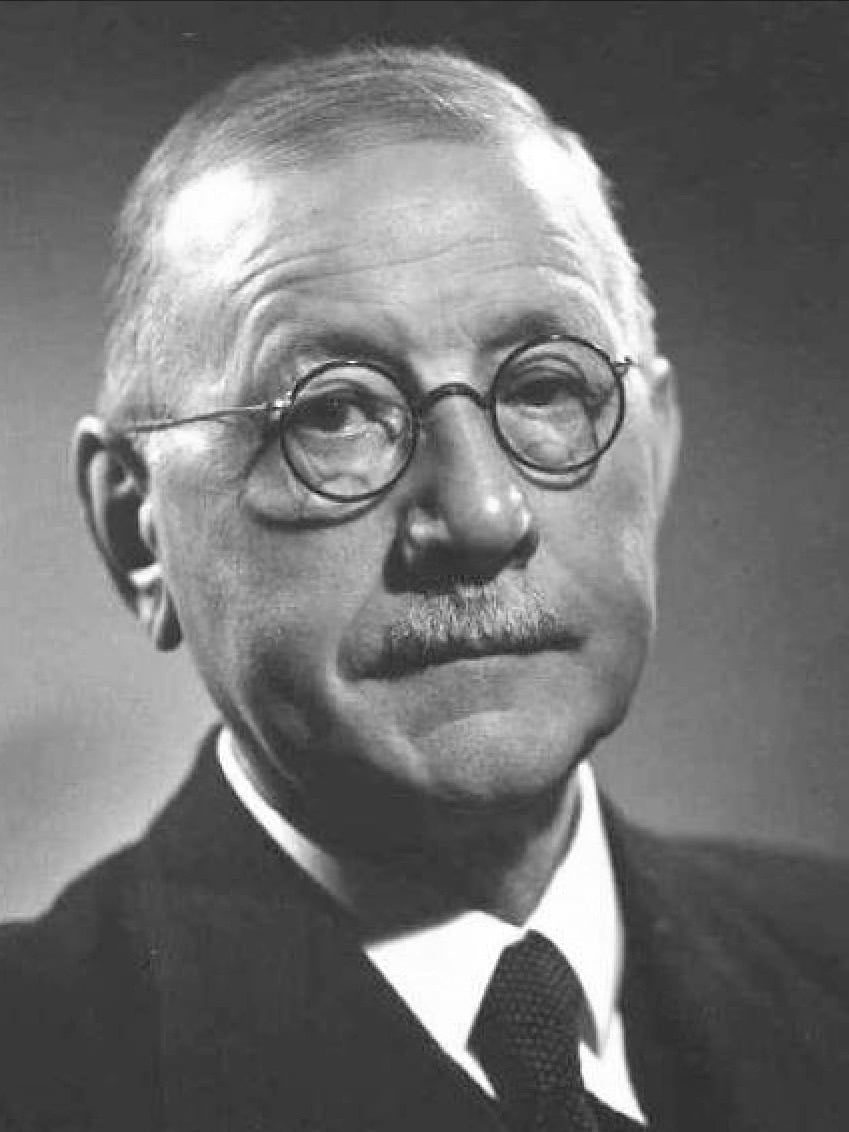
Oskar Kreis (1872–1958) was a Swiss obstetrician–gynaecologist
Oscar Friedrich Kreis-Füglistaller was an early pioneer of obstetric neuraxial analgesia. A year after Bier’s introduction of surgical spinal anaesthesia, Kreis published one of the first clinical series applying intrathecal cocaine to labour and operative delivery.
In July 1900, Kreis reported spinal (subarachnoid) cocaine in six patients, describing analgesia sufficient for forceps delivery and breech delivery. He highlighted the promise and limitations of neuraxial blockade in obstetrics. Of note he observed significant nausea, vomiting and postpartum headache, as well as reduction of the bearing-down reflex, requiring coached pushing.
Biographical Timeline
- Born November 17, 1872 in Grellingen (near Basel), Switzerland
- 1890s – Medical studies at the Universities of Basel and Kiel.
- 1894 – Study semester in Kiel
- 1899 – Defended doctoral dissertation Die Entwicklung und Rückbildung des Corpus luteum spurium beim Menschen. Study visit to Paris. Exposure to Théodore Tuffier (1857–1929) and early major-operation spinal anaesthesia.
- 1900 – Assistant obstetrician at the Universitätsfrauenklinik Basel under Ernst Bumm (1850–1925). Published obstetric spinal paper Über Medullarnarkose bei Gebärenden, reporting subarachnoid cocaine in six parturients and documenting both analgesia and the prominent side-effects of headache, nausea and vomiting.
- 1900–1902 – Completed training as I. and II. assistant in gynaecology and obstetrics, Basel.
- 1901 – Leadership change at Basel Women’s Hospital (Otto von Herff-von Salis succeeds Bumm); institutional scepticism towards lumbar anaesthesia noted in later reviews.
- 1902 – Married Paula Füglistaller (1876-1941). Established long-term practice as obstetrician and gynaecologist in Basel.
- 1912 – Listed in Basel records under the compound surname Kreis-Füglistaller
- 1957 – Clinical practice reportedly continued until one year before death.
- Died December 29, 1958
Key Medical Contributions
Obstetric spinal analgesia (subarachnoid cocaine)
In July 1900, Kreis published Über Medullarnarkose bei Gebärenden, describing spinal (subarachnoid) cocaine analgesia for labour and operative vaginal delivery in six parturients. H administered 0.01 g (10 mg) cocaine as a single intrathecal dose (at the L3/4–L4/5 level), administered late in labour at full dilatation/second stage.
Kreis observed neuraxial blockade with the removal of pain, preserved consciousness and motor function, and contractions continuing despite absent pain. He used the block to facilitate forceps delivery (4/6 cases) and manage a breech delivery. He also reported painless perineal repair and post-delivery procedures.
The impression gained… is very strange; the absence of pain with full mobility and unclouded sensorium is most unusual.
Kreis 1900
Complications and the “push reflex” problem
The small series was notable for frequent adverse effects in particular nausea, vomiting and postpartum headache. Kreis also highlighted that spinal analgesia could remove the reflex urge to push i.e. the reflex to “bear down, with pushing possible only with encouragement.
Major Publications
- Kreis O. Die Entwicklung und Rückbildung des Corpus luteum spurium beim Menschen. Inaugural-Dissertation zur Erlangung der Doktorwürde an der Medizinischen Fakultät der Universität. 1899
- Kreis O. Über Medullarnarkose bei Gebärenden. Zentralblatt für Gynäkologie 1900; 24(28): 724–729.
- Kreis O. Anesthésie obstétricale par cocainisation de la moelle. La Semaine médicale 1900; 20: 246
- Kreis O. Kraurosis Vulvas and Ulcus Rodens. Correspendenzblatt fiir Schweizer Aerzte, 1902: 11
References
Biography
- Porträt des Oscar Kreis mit seiner Frau Paula, geborene Füglistaller. 1904
- Festzug der Professoren am 450. Jubiläum der Universität Basel. 1910
- Oskar Friedrich Kreis-Füglistaller. Portrait Archiv
Eponymous terms
- Schneider MC, Holzgreve W. Vor 100 Jahren: Oskar Kreis, der Pionier der rückenmarknahen geburtshilflichen Analgesie an der Universitätsfrauenklinik Basel [100 years ago: Oskar Kreis, a pioneer in spinal obstetric analgesia at the University Women’s Clinic of Basel]. Anaesthesist. 2001 Jul;50(7):525-8.
- Caton D. Spinal anesthesia and obstetric practice. International Congress Series 2002; 1242: 173-176
Eponym
the person behind the name

BA MA (Oxon) MBChB (Edin) FACEM FFSEM. Emergency physician, Sir Charles Gairdner Hospital. Passion for rugby; medical history; medical education; and asynchronous learning #FOAMed evangelist. Co-founder and CTO of Life in the Fast lane | On Call: Principles and Protocol 4e| Eponyms | Books |