

Spit, Scratch, Splash, Stick
Spit, scratch, splash or stick? Assess HIV exposure risk in the ED, identify when PEP is needed, and start treatment promptly after significant exposure.


Spit, scratch, splash or stick? Assess HIV exposure risk in the ED, identify when PEP is needed, and start treatment promptly after significant exposure.
Know Your Lines: adult and paediatric trauma radiograph guides covering key lines, angles, ratios, signs and fracture classifications.

CXR eponyms in pulmonary embolism: Westermark, Hampton, Fleischner, Chang and Palla signs, their history, original descriptions and modern relevance.
Recognise acute, chronic and advanced HIV in the ED, with practical guidance on testing windows, screening, diagnosis and PJP presentation.
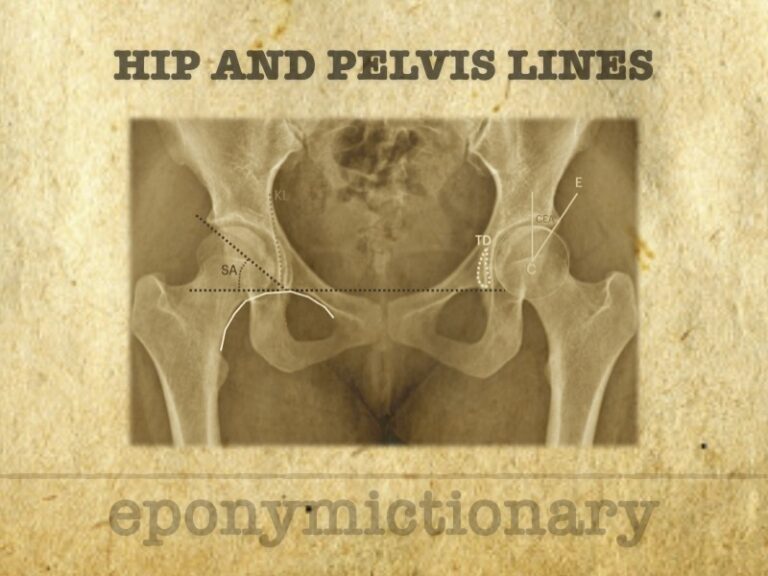
Hip and pelvic radiographic lines, arcs, angles and eponyms used to assess developmental dysplasia, SCFE, mature hip morphology and alignment.
Customisable fracture treatment poster with radiographs, splinting guidance and fillable local follow-up pathways for emergency department use.
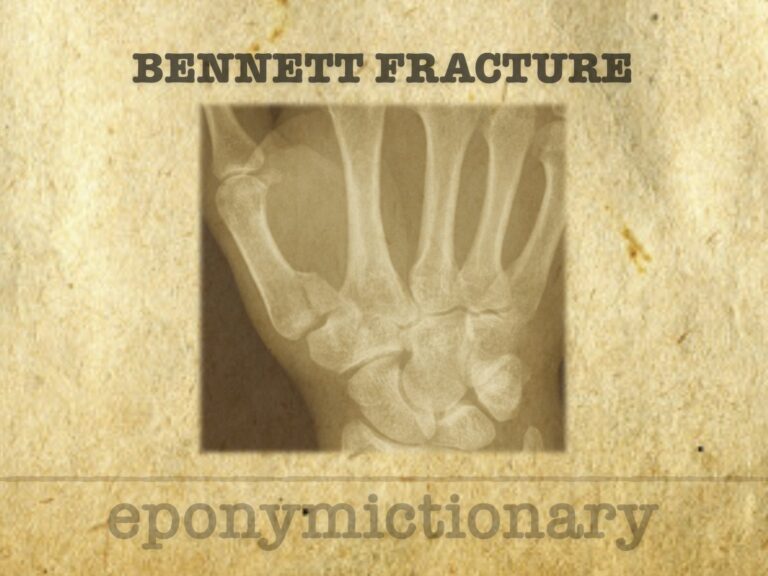
Bennett fracture: definition, imaging, management, distinction from Rolando fracture, and the history of Edward Hallaran Bennett’s eponymous injury.
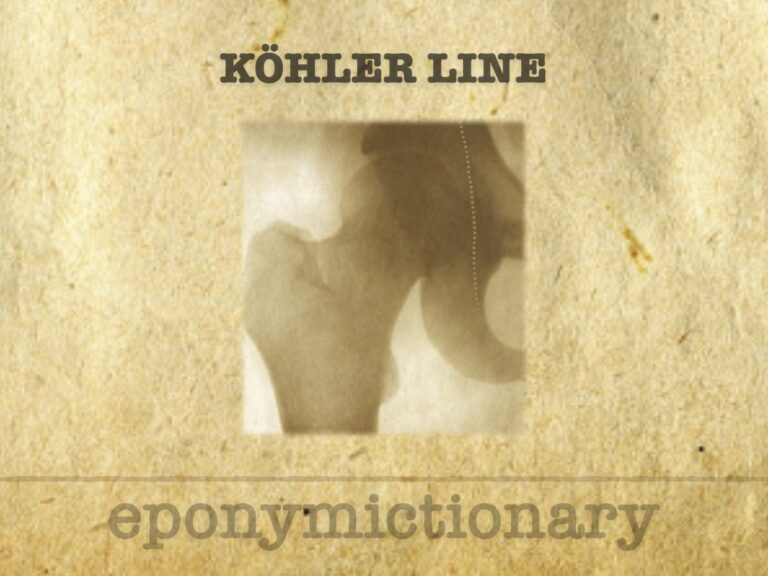
Köhler line is the ilioischial line on AP pelvis X-ray, to assess coxa profunda and protrusio acetabuli. History and interpretation.
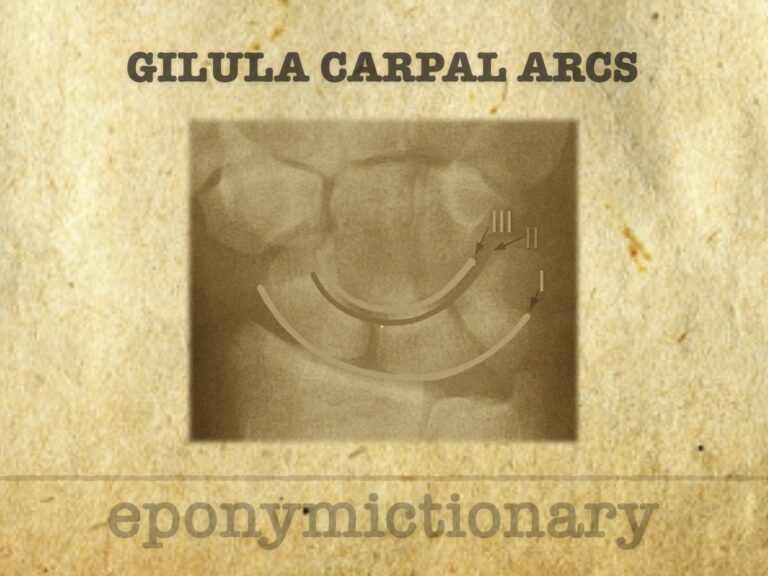
Gilula carpal arcs. Three smooth lines used to assess carpal alignment on PA wrist X-rays. Definition, disruption, variants and history.
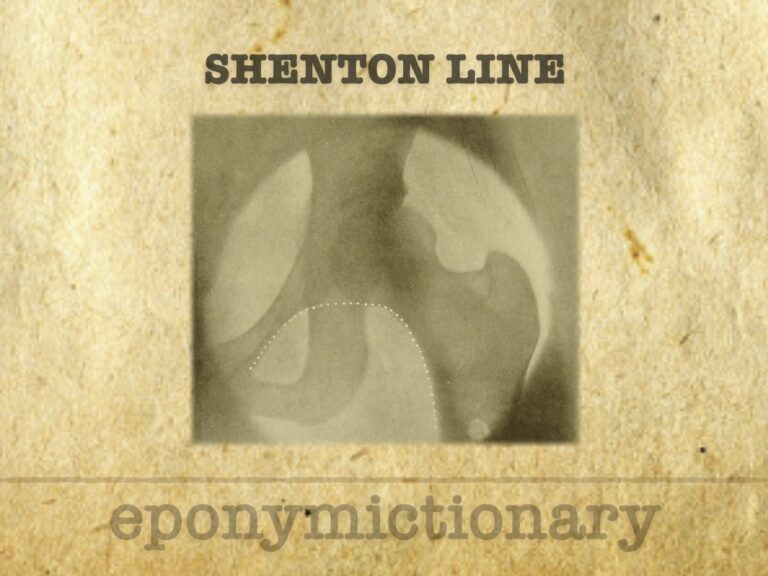
Shenton line is the cervico-obturator arc used to assess hip alignment on AP pelvic radiographs. Definition, history, Ménard attribution and eponymythology.
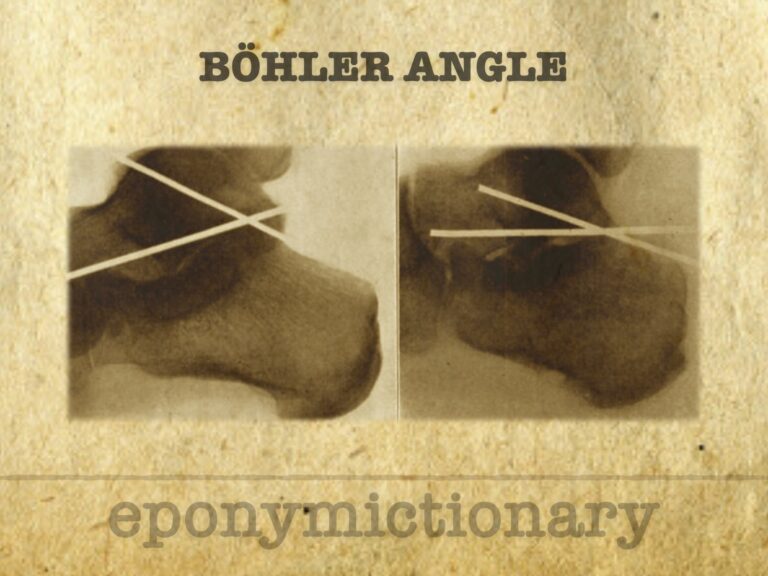
Böhler angle: radiographic measurement, normal values, clinical use, limitations and the original 1929 description by Lorenz Böhler.
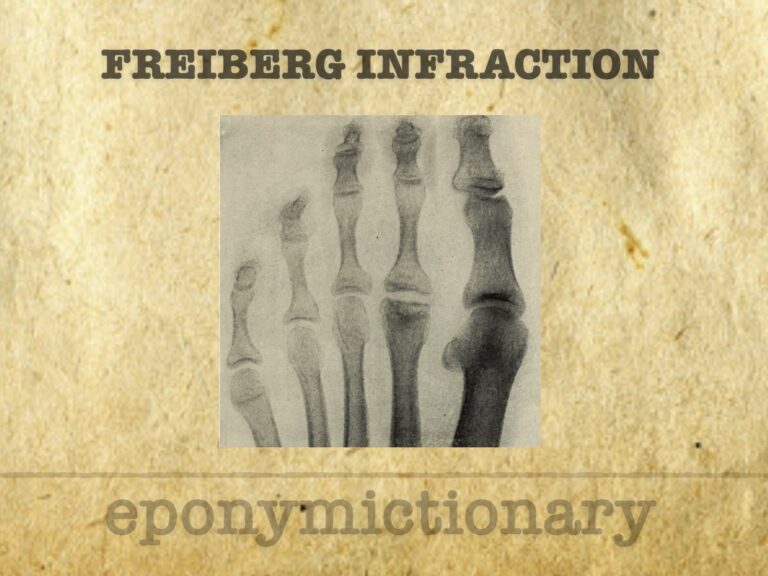
Freiberg infraction is osteochondrosis of a lesser metatarsal head, usually the second. Review presentation, imaging, treatment, history and eponymythology.