


Fifth disease
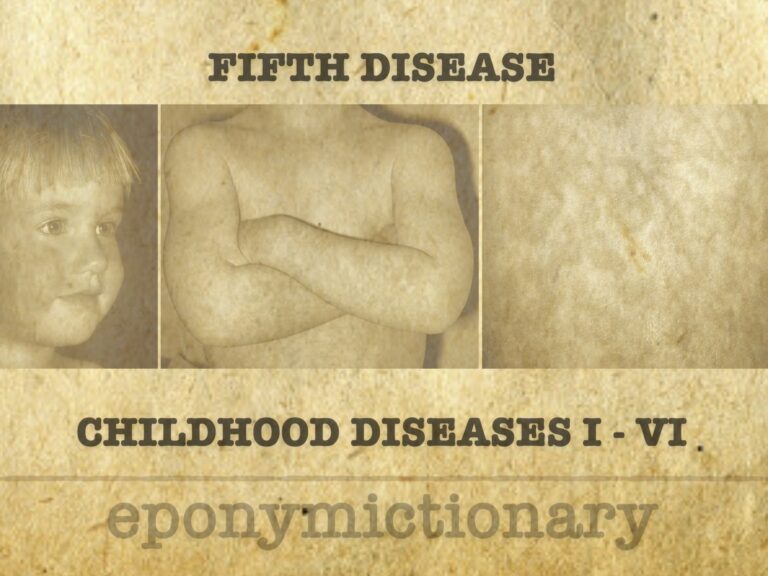
Erythema infectiosum (fifth disease), is a common manifestation of infection in children characterized by low-grade fever, malaise, facial rash, and later by the spread of a lacy maculopapular rash involving the trunk and limbs.

Erythema infectiosum (fifth disease), is a common manifestation of infection in children characterized by low-grade fever, malaise, facial rash, and later by the spread of a lacy maculopapular rash involving the trunk and limbs.

Critical evaluation of continuous infusion of beta-lactam antibiotics (rather than intermittent dosing) in critically ill patients.

Yvonne Margaret (née Barr) Balding (1932 - 2016) was an Irish virologist. Co-discoverer of Epstein–Barr virus (EBV) (1964)

Acute, transient viral myositis involving intercostal and abdominal muscles associated with Coxsackievirus B. Eponym: Ejner Sylvest (1930)
Necrotizing fasciitis: life-threatening soft tissue infection, historically hospital gangrene, term coined by Ben J. Wilson in 1951

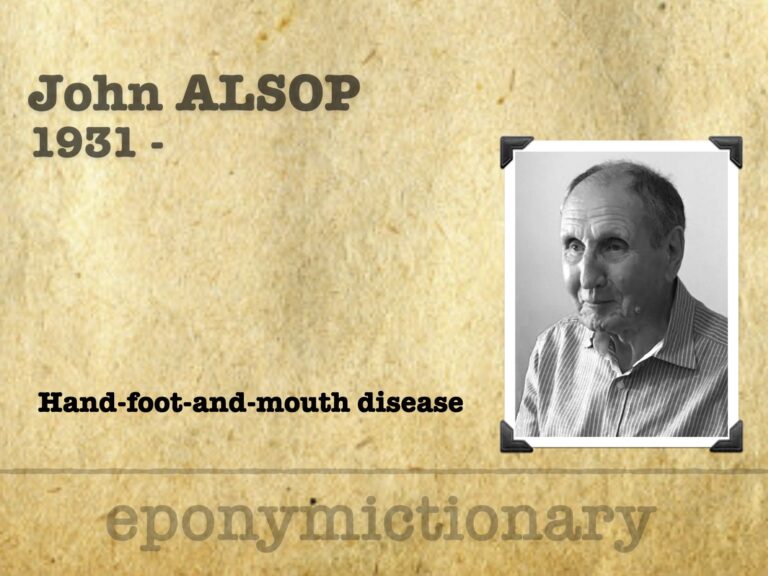
John Alsop (1931–), GP who coined "hand-foot-and-mouth disease" and published BMJ reports on outbreaks and ringworm in Birmingham, UK.

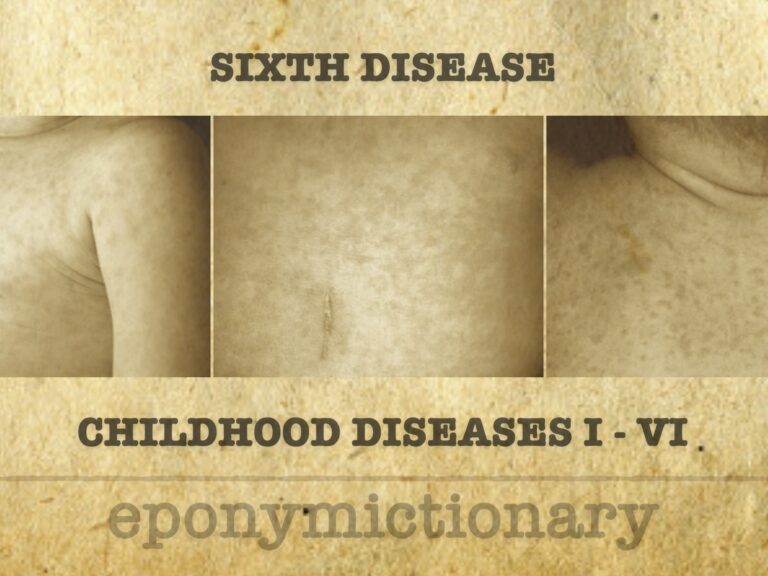
Common viral illness in infants caused by HHV-6. Roseola presents with high fever followed by sudden rash; also known as sixth disease or exanthem subitum.

Filatov-Dukes disease, or fourth disease, was a proposed childhood exanthem now largely dismissed as a misclassification of rubella or scarlet fever.

Mild viral exanthem in children; dangerous in pregnancy. Rubella causes rash and lymphadenopathy, with congenital infection leading to CRS.

Scarlet fever (second disease). Contagious GABHS infection in kids under 10 with sore throat or rash; caused by S. pyogenes strains producing erythrogenic toxin.

Measles (First Disease): classic childhood exanthem caused by Morbillivirus, with high infectivity, pathognomonic signs, and vaccine-preventable

Australian virologist Yvonne Cossart (1934–2014), pioneer of parvovirus B19 research, teacher, and reformer of medical education.