

Leonid Rogozov
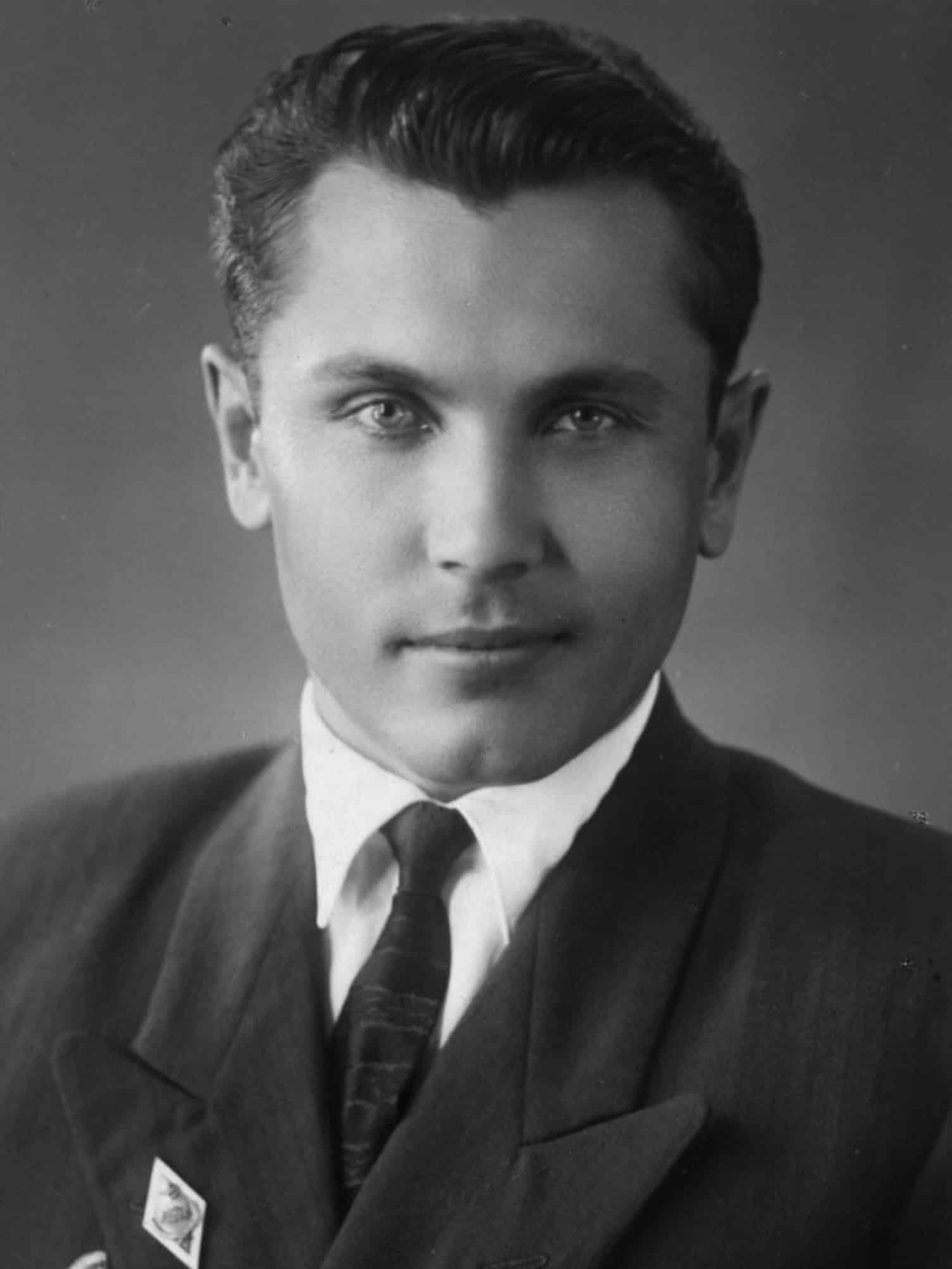
Leonid Ivanovich Rogozov Леони́д Ива́нович Ро́гозов (1934-2000) was a Russian surgeon
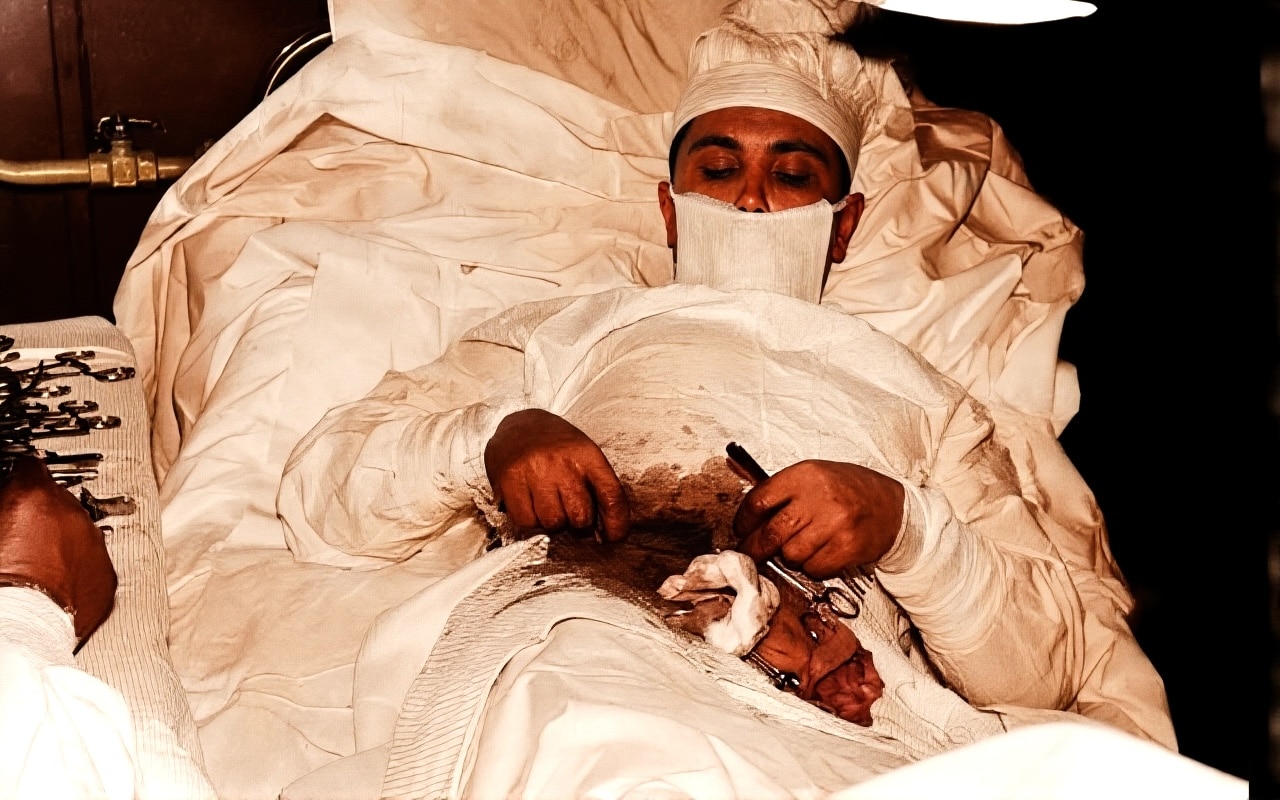
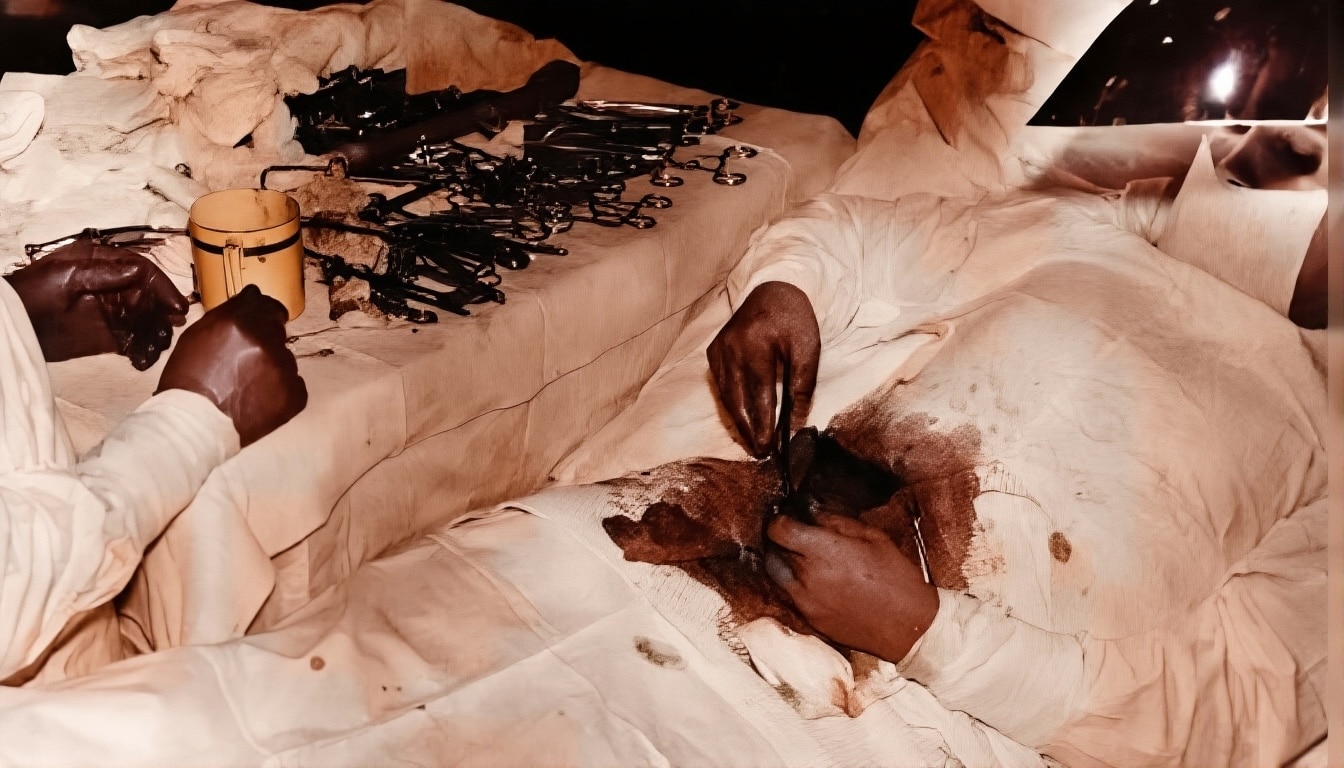
In April 1961, as the only doctor at Novolazarevskaya Station in Antarctica, Rogozov developed acute right iliac fossa pain and concluded he had appendicitis. With evacuation impossible, he organised two expedition members to assist with lighting and instruments and removed his own appendix (auto-appendicectomy) under local anaesthetic.
Biographical Timeline
- Born March 14, 1934 in Dauriya, Borzinsky District, Chita Oblast (Soviet Union).
- 1953 – Completes secondary school in Minusinsk; admitted to the Leningrad Pediatric Medical Institute.
- 1959 – Graduates as a general practitioner. Commences surgical training.
- 1960 – Interrupts training to join the Sixth Soviet Antarctic Expedition as sole medical officer at the new station. Expedition ship Ob sails from Leningrad on November 5, 1960.
- 1961 – Novolazarevskaya Station on February 18, 1961 (Schirmacher Oasis).
- 1961 (April 30) – Develops symptoms of acute appendicitis with deterioration despite conservative treatment. Performs auto-appendicectomy under local anaesthesia, assisted by colleagues
- 1961 – Awarded the Order of the Red Banner of Labour.
- 1962 – Expedition ship docks at Leningrad on May 29. Rogozov returns to clinic work the next day.
- 1966 – Publishes dissertation: Resection of the Esophagus for Treating Esophageal Cancer.
- 1986–2000 – Head of Surgery, Saint Petersburg Research Institute for Tubercular Pulmonology.
- Dies on September 21, 2000 in Saint Petersburg.
Key Medical Contributions
Auto-appendicectomy in Antarctica — Rogozov (1961; published 1962)
- April 29, 1961 (morning) – Rogozov became unwell with weakness, malaise, nausea, then developed epigastric pain migrating to the right iliac fossa; temperature 37.4°C. He judged it “clearly a case of appendicitis.”
- April 30, 1961 – Attempted conservative management (non-operative) without success; the inflammatory process progressed. Worsening clinical picture with concern for perforation: rising temperature, more frequent vomiting, and deteriorating general condition. By evening there were signs consistent with pyoappendicitis, and he judged immediate surgery necessary.
- Logistics problem – No timely evacuation: Mirny was ~900 km away; nearer foreign stations lacked aircraft; blizzard ruled out flight.
- Decision – “The only solution was to operate on myself.”
Preparation and team
- Instruments/sterility – Equipment stored in sub-zero conditions; re-sterilisation arranged; a sterile novocaine solution prepared for local anaesthesia.
- Assistants assigned –
- A.N. Artem’yev to hold retractors.
- Z.M. Teplinskiy to use a mirror for visualisation of areas not directly visible.
Operation (April 30, 1961, late evening)
- Positioning – Semi-reclining, half-turned to the left, weight on left hip; lower body elevated ~30°, minimising mirror use.
- 22:00 (Moscow time) – Abdominal wall infiltrated with 0.5% novocaine.
- 22:15 – “typical” incision of 10–12 cm.
- Mirror use – Used for: exposing the peritoneum, suturing the peritoneum, and finding the appendix (steps requiring precision where the wound depth was hard to see). Otherwise he mostly operated without it, sometimes by feel.
- Intra-op physiology – After 30–40 minutes: marked weakness and vertigo → short rests required.
- Findings – Appendix “severely diseased” with a 2 × 2 cm perforation at its base.
- Completion – Antibiotics placed in the peritoneal cavity; wound closed; operation finished at midnight.
Postoperative course
- Days 4–7 – Bowel/urinary function normal by day 4; peritonitis signs resolved; afebrile by day 5; stitches out day 7; wound healed.
- Return to work – Back to normal duties within 2 weeks; heavy work after 1 month.
Major Publications
- Rogozov LI. Self Operation. Soviet Antarctic Expedition Information Bulletin, American Geophysical Union, Washington, DC. 1964; 4: 223-224
References
Biography
- Rogozov V. Operace vlastního apendixu v Antarktidě. Práce jako práce, život jako život. Vesmír 2004; 83(1): 25
- Rogozov V, Bermel N. Auto-appendectomy in the Antarctic: case report. BMJ. 2009 Dec 10;339:b4965.
- That self-appendectomy. Amundsen-Scott South Pole Station
- Nwaogbe C, Simonds EA, D’Antoni AV, Tubbs RS. Surgeons performing self-surgery: A review from around the world. Translational Research in Anatomy. 2018;10:1–3.
- Radhakrishnan J, Koo N. Atypical appendectomies. Hektoen International. 2021.
- КУЧКО M. How a surgeon cut out his own appendix on an Antarctic expedition. SB Belarus today, 2024
- Cadogan M. Auto-appendicectomy. LITFL
Eponym
the person behind the name

DM (UWA), BM (Indiana), FMusA, LMusA. Resident Medical Officer, Sir Charles Gairdner Hospital. Basic Surgical Streaming Program. Professional violinist, now aspiring surgeon. Loves music, opera, and operating.

BA MA (Oxon) MBChB (Edin) FACEM FFSEM. Emergency physician, Sir Charles Gairdner Hospital. Passion for rugby; medical history; medical education; and asynchronous learning #FOAMed evangelist. Co-founder and CTO of Life in the Fast lane | On Call: Principles and Protocol 4e| Eponyms | Books |