


LITFL Update 064

Sending you free open-access medical (FOAM) content from around the globe. We keep an eye on all the trends and best articles and share them with you so that you stay on top of your field.
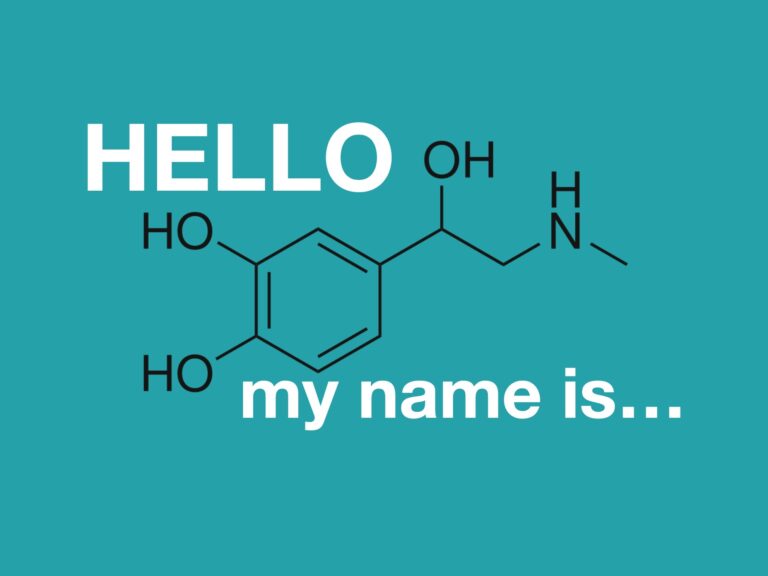
Adrenaline or epinephrine? Today, adrenaline and epinephrine are alternative names for the same molecule. The split between them, however, came from an untidy early history of adrenal extracts, disputed claims of purification, trademark politics, and disciplinary preference.
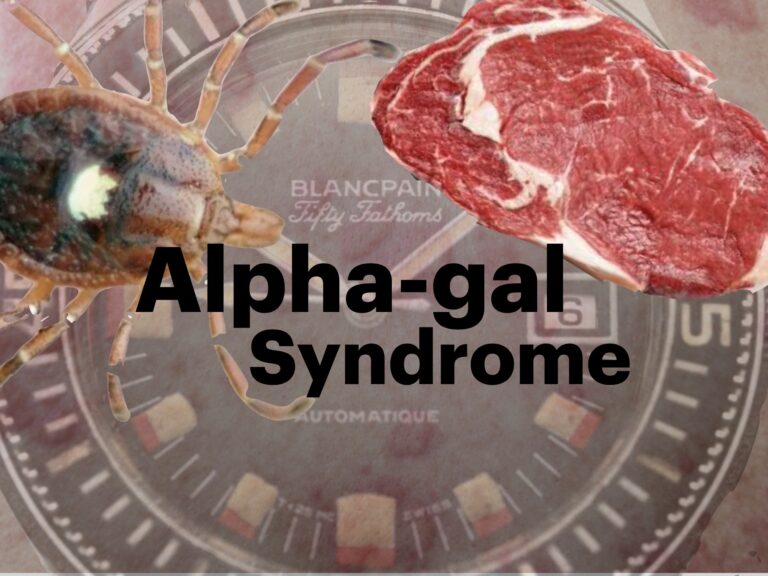
Alpha-gal syndrome didn’t emerge from a single experiment or a single clinic. It took shape from two initially separate observations on opposite sides of the world: one involving severe reactions to a cancer drug, the other involving tick bites and delayed allergy to red meat.
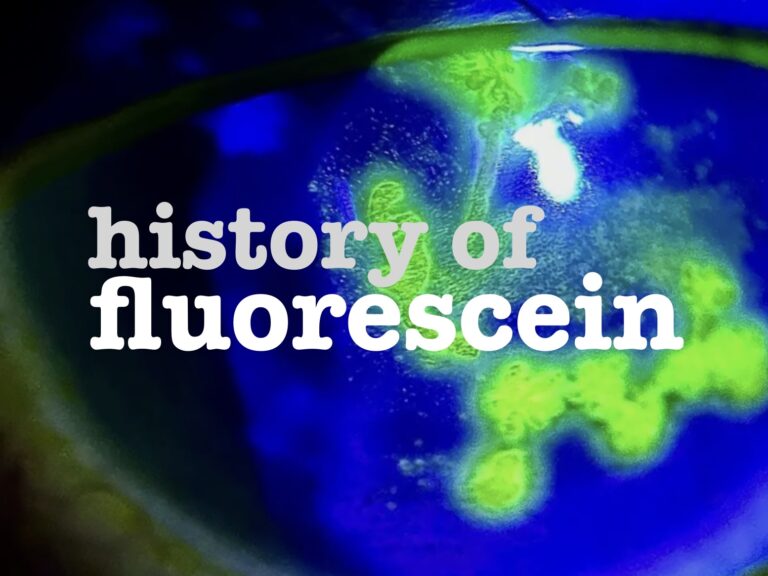
History of fluorescein: A fluorescent dye used to make otherwise subtle ocular pathology visible. It highlights epithelial barrier disruption and tear-film patterns on the ocular surface. Elsewhere, it underpins tests for aqueous leakage, lacrimal drainage, and retinal vascular imaging.
Latest updates from the #FOAMed world
This Blue Spots and Red Flags blog highlights how congenital dermal melanocytosis (blue spots) can be mistaken for bruising in infants, triggering safeguarding concerns. It explains the benign nature, underlying physiology, and optical “Tyndall effect” behind their appearance, while emphasising the importance of accurate recognition to avoid misdiagnosis, unnecessary investigations, and distress for families.
This ETM resource highlights the Clinical Guidelines for Major Incidents and Mass Casualty Events, offering a practical, trauma-focused framework for clinicians managing overwhelming patient surges. It emphasises structured triage (including MITT and TST), catastrophic haemorrhage control, and coordinated team roles, drawing on both civilian and military experience to improve preparedness, decision-making, and outcomes in high-stakes, resource-limited environments.
Shock with Rich Carden at Trauma 2030 reframes shock beyond blood pressure, focusing on cellular oxygen delivery and utilisation. It explores the gap between pressure and true perfusion, the “dose” of shock, and evolving trauma physiology—from haemorrhage to vasoplegia and sepsis—emphasising that restoring numbers alone does not equate to restoring mitochondrial function.
Baclofen toxicity is highlighted by key clinical and ECG features in overdose. A hallmark is extreme autonomic instability, with rapid swings between bradycardia/tachycardia and hypo/hypertension, alongside seizures and coma. Early toxicology input and aggressive supportive care are essential, particularly as profound coma can closely mimic brain death in severe toxicity.
LITFL Comms
Newsletter Updates

Emergency nurse with ultra-keen interest in the realms of toxicology, sepsis, eLearning and the management of critical care in the Emergency Department | LinkedIn |

BA MA (Oxon) MBChB (Edin) FACEM FFSEM. Emergency physician, Sir Charles Gairdner Hospital. Passion for rugby, medical history, medical education, and asynchronous learning #FOAMed evangelist. Editor-in-Chief and Webmaster of Life in the Fast lane, LITFL | On Call 4e| Eponyms | Books | Horology |