


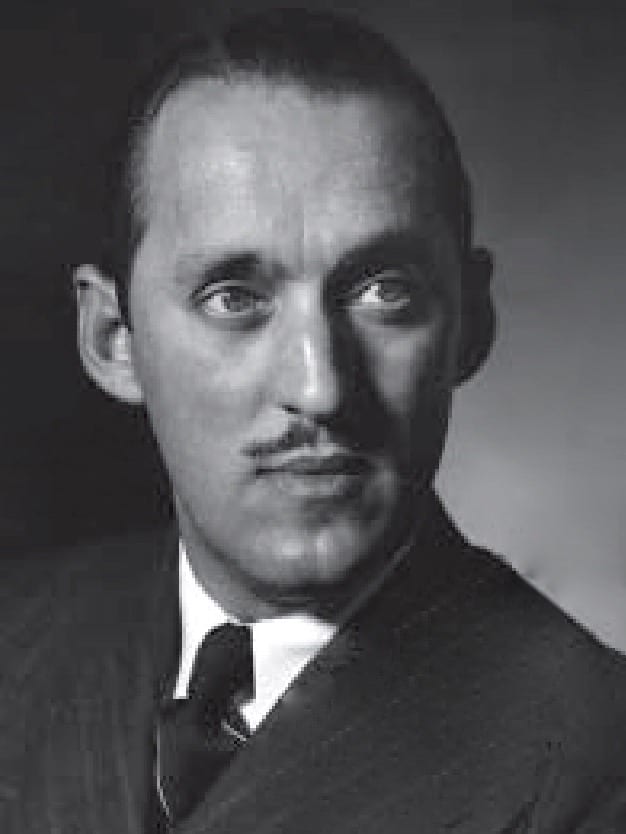
Robert Arden Miller (1906-1976) American anesthesiologist.
Designed the Miller laryngoscope blade, first manufactured by the Welch-Allyn Company in 1941
When Miller created his blade, most specialist anaesthetists were familiar with the advantages of endotracheal intubation, especially since the widespread use of closed-circuit cyclopropane anaesthesia. Miller’s contribution was to make changes to pre-existing blades to make endotracheal intubation more certain. Miller recommended the use of a stylet rather than forceps when inserting larger, cuffed tubes using a Miller blade, as the mouth did not open as widely.
Biography
- Born June 5, 1906 in Williamsport, Pennsylvania; raised in South Fork, Pennsylvania.
- Attended the University of Pittsburgh and subsequently the Eclectic Medical College, Cincinnati.
- 1929 – MD, Eclectic Medical College, Cincinnati.
- 1929–1930 – Internship, Grace Hospital, Detroit.
- Early 1930s – Worked in Michigan and at Lying-In Hospital, New York City; also spent a period working as a ship’s doctor.
- 1936 – Stationed at Fort Sam Houston, San Antonio, and thereafter made Texas his home. Joined the International College of Anesthetists and increasingly devoted his practice to anaesthesia.
- 1940–1942 – Served as a captain in the United States Army Medical Corps.
- 1941 – Certified by the American Board of Anesthesiology. Published A new laryngoscope and introduced the Miller laryngoscope blade, manufactured by Welch Allyn.
- Post-war – Briefly worked at Robert B. Green Hospital before joining Nix Hospital, San Antonio.
- 1946 – Published a smaller Miller laryngoscope designed specifically for infant intubation.
- 1962 – Chief of Staff, Nix Hospital.
- 1974 – Listed as Chief of Anesthesia, Nix Hospital, with visiting appointments at Baptist Hospital and Medical Arts Hospital, San Antonio.
- Died September 30, 1976 in San Antonio, Texas, aged 70.
Medical Eponyms
Miller laryngoscope blade (1941)
The Miller laryngoscope is a narrow-lumen, D-shaped, straight-blade designed to obtain a view of the vocal cords by directly lifting the epiglottis. It has useful application in ‘floppy’ airways making it popular within paediatric anaesthesia.
Miller found traditional straight blades to be too thick at the base and too short increasing the risk of trauma to the teeth. Miller modifed the laryngoscopes popular at the time to make tracheal intubation “easier and more certain”. The Miller laryngoscope has a straight blade with a long, curved tip, providing better exposure of the larynx. This made difficult intubations easier to perform and minimised dental trauma.
Miller designed his blade by making it straight and longer than the old style medium blade, rounded at the bottom and smaller at the tip with an extra curve two inches from the end. This made difficult intubations easier to perform and minimised dental trauma. He found this suitable for all patients; except children.
In 1946, Miller developed a blade for use in children. He recommended that tracheal intubation under direct visualization was preferable to the common practice of blind passage facilitated by digital palpation of the epiglottis
Major Publications
- Miller RA. A new laryngoscope. Anesthesiology 1941; 2: 317-320.
- Miller RA. A new laryngoscope for intubation of infants. Anesthesiology. 1946; 7: 205.
- Miller RA. The development of the laryngoscope. Anaesthesist. 1972; 21(3): 145-147.
- Miller RA. The development of the laryngoscope. Middle East J Anaesthesiol. 1974; 4(1): 49-52.
References
Biography
- MILLER Robert Arden. Directory of Medical Specialists, 1974-1975: 85
- Dr Robert A. Miller. San Antonio Express-News. Sat, 2 Oct 1976
- Maltby R. Robert Arden Miller (1906-1976) in: Notable Names in Anaesthesia. 2013: 141-143
Eponymous terms
- Bateman BT, Alston TA. Commonly used eponyms in anesthesia. J Clin Anesth. 2009; 21(1): 67-71
- Giuca MS, Desai SP. Eponyms in the operating room: careers of five American physicians. Bull Anesth Hist. 2013 Oct;31(2):32-5, 39
Eponym
the person behind the name

British doctor working in Emergency Department and exploring Western Australia

BA MA (Oxon) MBChB (Edin) FACEM FFSEM. Emergency physician, Sir Charles Gairdner Hospital. Passion for rugby, medical history, medical education, and asynchronous learning #FOAMed evangelist. Editor-in-Chief and Webmaster of Life in the Fast lane, LITFL | On Call 4e| Eponyms | Books | Horology |