

W. Essex Wynter
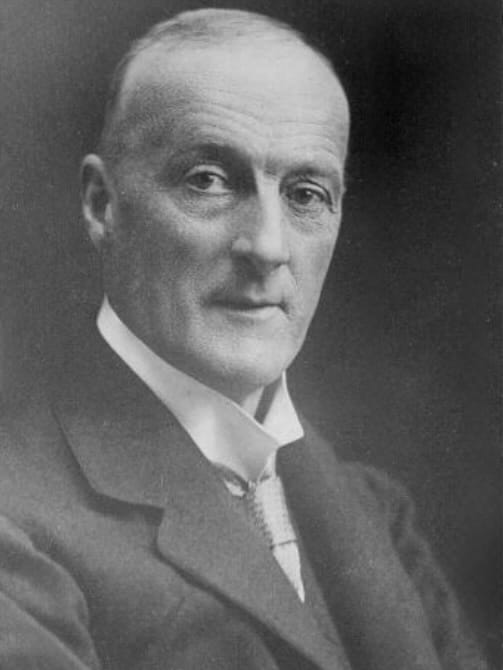
Walter Essex Wynter (1860-1945) was an English physician
In the pre-antibiotic era, suppurative intracranial infections in children were frequently fatal. Wynter reasoned that a major driver of coma and collapse was raised “cerebral pressure” from excess CSF under tension. He performed emergency therapeutic decompression in cases of tuberculous meningitis at the Middlesex hospital.
Between 1889 and 1891, Wynter reported four paediatric cases in which he attempted to relieve this pressure by paracentesis of the theca vertebralis to permit continuous CSF drainage. Transient improvements in breathing, colour, or swallowing before inevitable deterioration and death, underscored the palliative limits of decompression alone.
Biographical Timeline
- Born May 5, 1860 eldest son of Andrew Wynter (GP; editor of the British Medical Journal 1855–1861) and Mary Bramhall.
- 1873–1878 – Educated at Epsom College.
- 1878 – Entered Middlesex Hospital as a scholar; also studied at St Bartholomew’s and Freiburg.
- 1883 – Qualified MRCS (LRCP, 1883).
- 1885 – Elected FRCS.
- 1887 – MB BS London (with honours noted in obituary accounts).
- 1888 – MD, London. Worked in junior posts including Brompton Hospital, Hospital for Sick Children, and Middlesex Hospital; medical registrar at the Middlesex.
- 1889-1891 – Performed paracentesis of the theca vertebralis (therapeutic CSF drainage) in children with cerebral meningitis. Published in the Lancet (1891)
- 1891 – Elected assistant physician, Middlesex Hospital.
- 1890 – Co-authored A Manual of Clinical and Practical Pathology with Frank. J. Wethered.
- 1897 – Elected FRCP.
- 1901 – Became physician to Middlesex Hospital.
- 1901–1909 – Examiner in medicine for the Royal College of Physicians
- 1907 – Published Minor Medicine.
- 1912 – Commissioned Major, RAMC (T); served at the 3rd London General Hospital during WWI while maintaining London clinical duties.
- 1925 – Retired from London as consulting physician; moved to Bartholomew Manor, Newbury, restoring the house and founding accommodation for retired Middlesex nurses (Bartholomew Close; later Essex Wynter Charity).
- Died on January 4, 1945 in Newbury, aged 84.
Key Medical Contributions
Therapeutic CSF drainage for meningitis-related “cerebral pressure” (1889–1891)
Wynter approached the neuraxis as a therapeutic pressure-relief pathway, not a diagnostic one. In children with rapidly progressive meningitis, especially tuberculous meningitis, he reasoned that coma and deterioration could occur in the setting of excess CSF under positive pressure. He proposed that continuous drainage from the spinal theca might relieve “cerebral pressure” and temporarily reverse life-threatening symptoms.
To test this, he reported four paediatric cases in which he gained lumbar access by incision and thecal puncture, allowing CSF to escape or be siphoned via tubing. His technique was essentially a mini-operative decompression at the lumbar spine:
- Approach level: small skin incision beside the spine of the second lumbar vertebra (L2).
- Instrument: Southey’s tube and trocar advanced to lamina, then directed slightly downwards and pushed through the ligamentum subflavum and theca toward the midline.
- Drainage method: on withdrawing the trocar, clear CSF “at once welled up,” and a fine indiarubber tube was arranged for continuous drainage into a receptacle.
In his four paediatric cases, drainage produced transient physiological improvement (e.g., improved breathing, colour, swallowing), but the effect was not sustained and all four children died.
Major Publications
- Wynter WE, Wethered FJ. A Manual of Clinical and Practical Pathology. 1890
- Wynter WE. Four cases of tubercular meningitis in which paracentesis was performed for the relief of fluid pressure. Lancet 1891 May 02; 137(3531): 981-982
- Wynter WE. Minor medicine: a treatise on the nature and treatment of common ailments. 1907
References
Biography
- Walter Essex Wynter. Lancet 1945; 245(6334): 100
- Walter Essex Wynter MD FRCP. Br Med J 1945; 1: 100-101
- Wynter, Walter Essex (1860-1945). Plarr’s Lives of the Fellows
- Walter Essex Wynter. Royal College of Physicians
Eponymous terms
- Quincke HI. Ueber hydrocephalus. Verhandlungen des Congresses für Innere Medicin, Zehnter Congress, Gehalten zu Wiesbaden, vom 6.-9. April 1891: 321-339.
- Quincke HI. Die lumbalpunction des hydrocephalus. Berliner Klinische Wochenschrift 1891; 28: 929-933 and 965-968
- Pearce JM. Walter Essex Wynter, Quincke, and lumbar puncture. J Neurol Neurosurg Psychiatry. 1994 Feb;57(2):179.
- Frederiks JA, Koehler PJ. The first lumbar puncture. J Hist Neurosci. 1997 Aug;6(2):147-53.
- Pearce JMS. Lumbar puncture. Hektoen International
Eponym
the person behind the name

MBChB, BSc Physiology (University of Bristol), DTMH, MSc Tropical Medicine & International Health (London School of Hygiene & Tropical Medicine). Emergency Medicine Trainee. Interested in emergency medicine, global health and infectious diseases. Very good at making cakes

BA MA (Oxon) MBChB (Edin) FACEM FFSEM. Emergency physician, Sir Charles Gairdner Hospital. Passion for rugby; medical history; medical education; and asynchronous learning #FOAMed evangelist. Co-founder and CTO of Life in the Fast lane | On Call: Principles and Protocol 4e| Eponyms | Books |