


LITFL Update 067

Sending you free open-access medical (FOAM) content from around the globe. We keep an eye on all the trends and best articles and share them with you so that you stay top of your field.

Best Online POCUS Courses: Scouring the web for the best POCUS course recommendations is time-consuming and complicated. Here we summarise the key features of online courses, including the pros and cons of each platform and a glimpse of their pricing options.

Free Relaxation Resources: The evidence is in. The tools are in your hands. The person in your mirror is waiting. Chronic stress is a direct driver of biological ageing. Effective interventions are free, require no equipment, and take as little as 5 minutes.
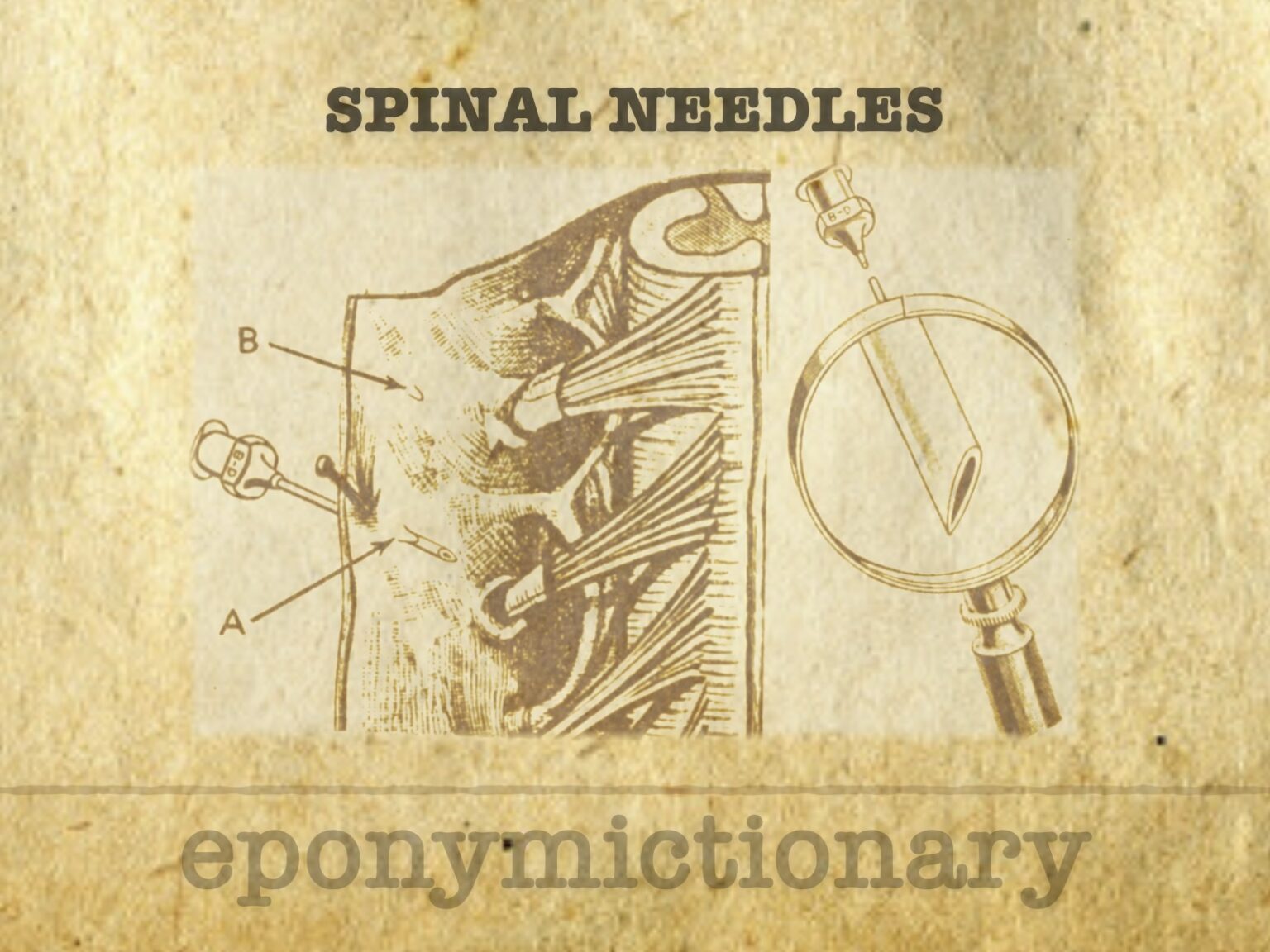
History of Spinal Needles: Spinal needles are hollow needles used to enter the subarachnoid space, confirm position by free flow of CSF, and inject anaesthetic directly into CSF. The history of spinal needle development involves a series of compromises.
Latest updates from the #FOAMed world
A practical trauma leadership guide from St Emlyn’s focused on improving prehospital-to-ED handovers. The post highlights structured ATMIST communication, preparing the resus room before arrival, minimising interruptions, and building collaborative relationships with HEMS and ambulance crews. An excellent read for trauma team leaders wanting to improve efficiency, teamwork, and patient safety during high-acuity trauma receptions.
This practical review from Life on the Frontline covers the spectrum of heat-related illness, from heat exhaustion to life-threatening heat stroke. It highlights key pathophysiology, high-risk patients, recognition of red flags, and evidence-based cooling strategies relevant to emergency and prehospital clinicians. A timely refresher as extreme heat events become increasingly common in Australia and globally.
A practical, high-yield review of paediatric extravasation injuries, covering early recognition, risk factors, staging, and evidence-based management. The article highlights when conservative treatment is appropriate, when antidotes or surgical referral are needed, and offers useful clinical pearls for emergency and paediatric clinicians managing IV infiltration injuries in children. Worth reading for anyone involved in paediatric vascular access and acute care.
The latest episode from The Skeptics Guide to Emergency Medicine explores the “SQuID” protocol — using subcutaneous rapid-acting insulin instead of traditional IV insulin infusions for selected patients with mild-to-moderate DKA. The discussion highlights potential reductions in ICU admissions, ED length of stay, and resource use, while emphasising careful patient selection and ongoing monitoring requirements. A practical, evidence-focused listen for emergency and acute care clinicians.
LITFL Comms
Newsletter Updates

Emergency nurse with ultra-keen interest in the realms of toxicology, sepsis, eLearning and the management of critical care in the Emergency Department | LinkedIn |

BA MA (Oxon) MBChB (Edin) FACEM FFSEM. Emergency physician, Sir Charles Gairdner Hospital. Passion for rugby, medical history, medical education, and asynchronous learning #FOAMed evangelist. Editor-in-Chief and Webmaster of Life in the Fast lane, LITFL | On Call 4e| Eponyms | Books | Horology |