

Anton Jervell
Anton Jervell (1901–1987), Norwegian cardiologist and medical educator; co-described Jervell and Lange-Nielsen syndrome, pioneer of ECG research and cardiac electrophysiology in Norway.

Anton Jervell (1901–1987), Norwegian cardiologist and medical educator; co-described Jervell and Lange-Nielsen syndrome, pioneer of ECG research and cardiac electrophysiology in Norway.
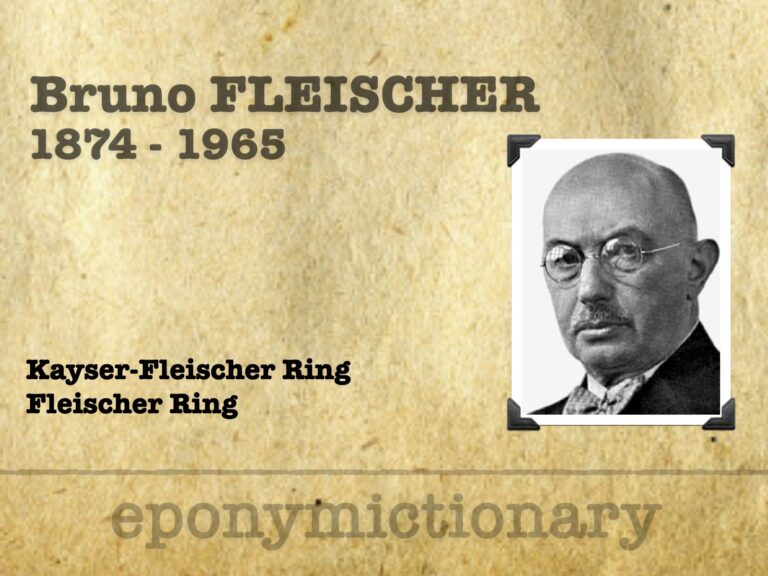
Bruno Fleischer (1874-1965) German ophthalmologist; Kayser–Fleischer ring (Wilson’s disease) and Fleischer ring in keratoconus
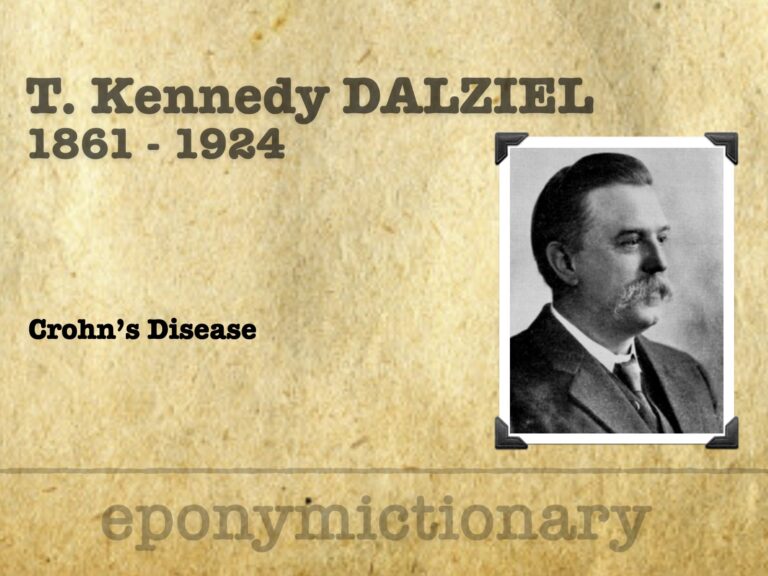
Scottish surgeon T.K. Dalziel (1861–1924) early description of Crohn’s disease, led children’s surgery in Glasgow, and was knighted for WWI medical service.
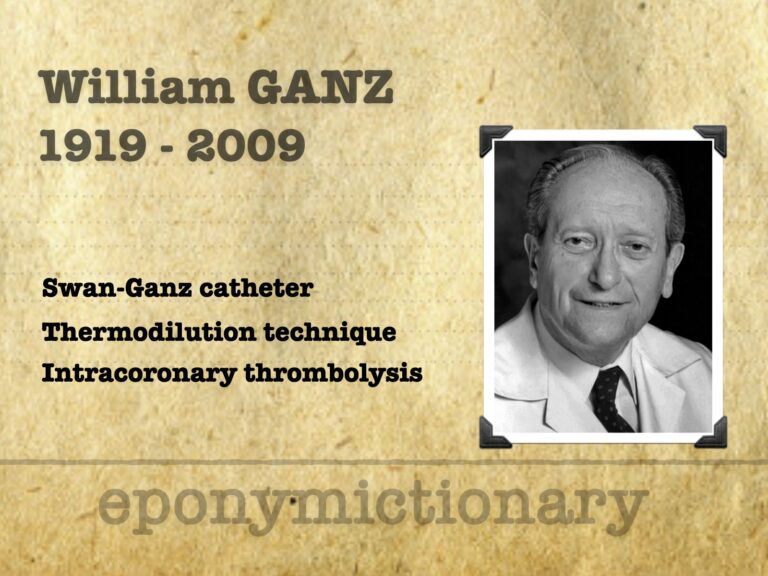
William Ganz (1919–2009), Slovakian-born cardiologist, co-invented the Swan-Ganz catheter and pioneered thermodilution in cardiovascular research
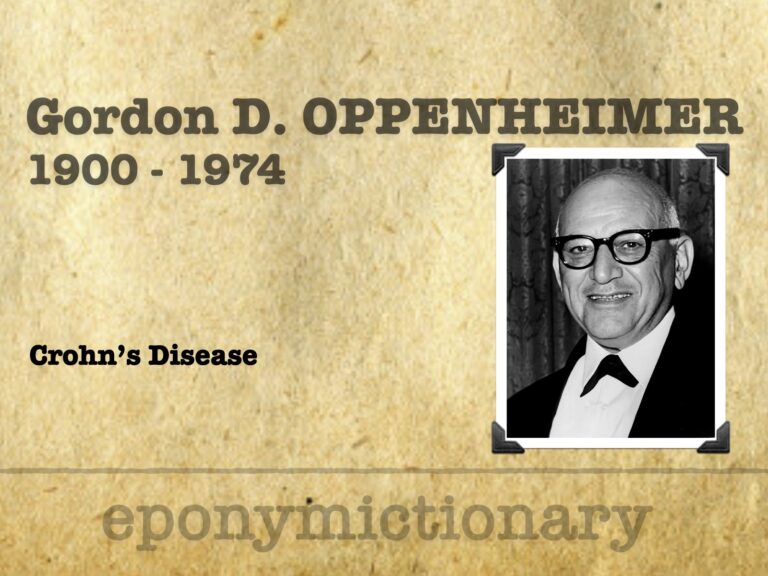
Gordon David Oppenheimer (1900 - 1974) was an American surgeon and urologist.
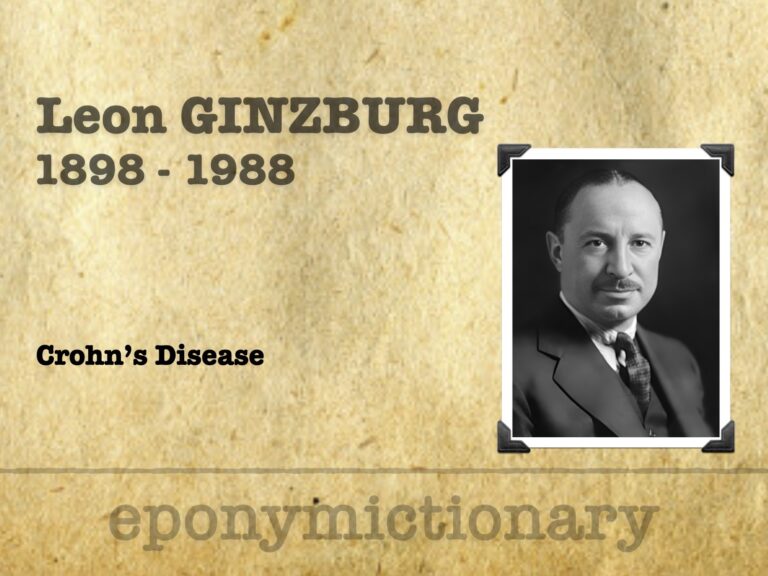
Leon Ginzburg (1898–1988), American surgeon Mount Sinai and Beth Israel; co-describer of regional ileitis (Crohn’s disease).
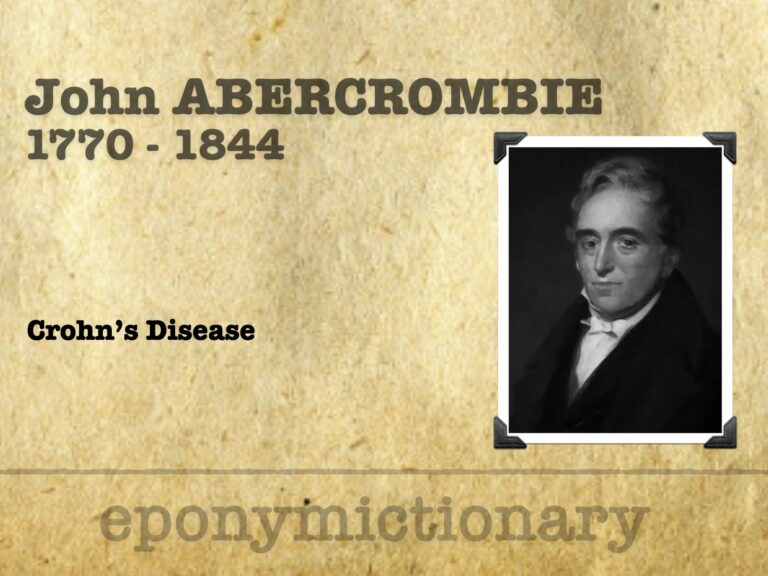
John Abercrombie (1780–1844), Scottish physician, pioneered neuropathology and GI research, and described early cases resembling Crohn’s disease in 1828
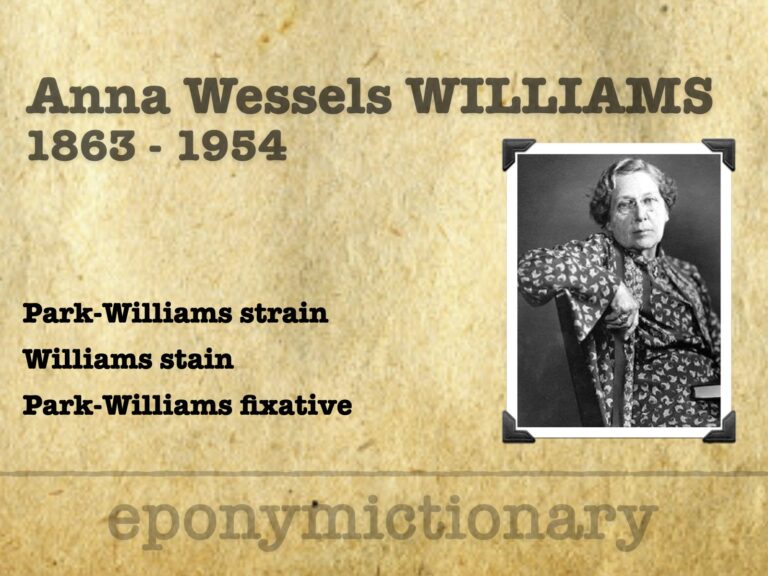
Anna Wessels Williams (1863–1954), American bacteriologist and public health pioneer, advanced diphtheria treatment and women in medicine
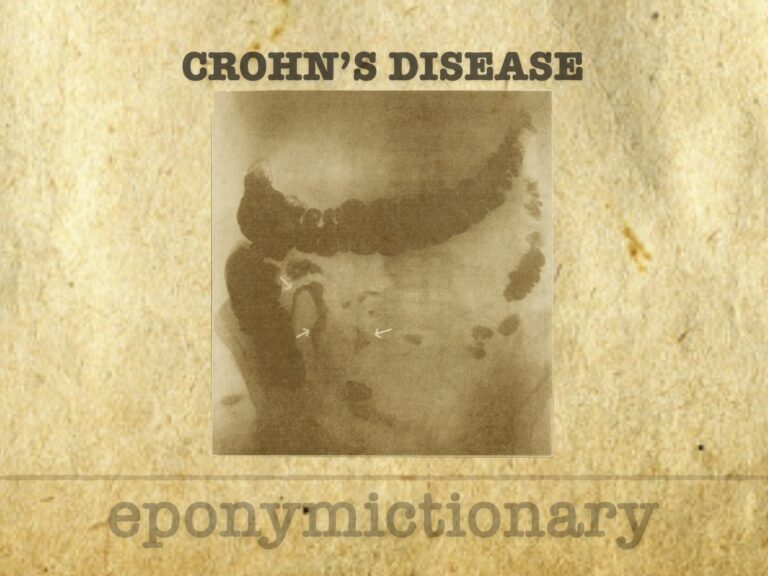
Chronic inflammatory bowel disease affecting the GI tract, Crohn’s disease was first defined in 1932 but described decades earlier by Dalziel and others
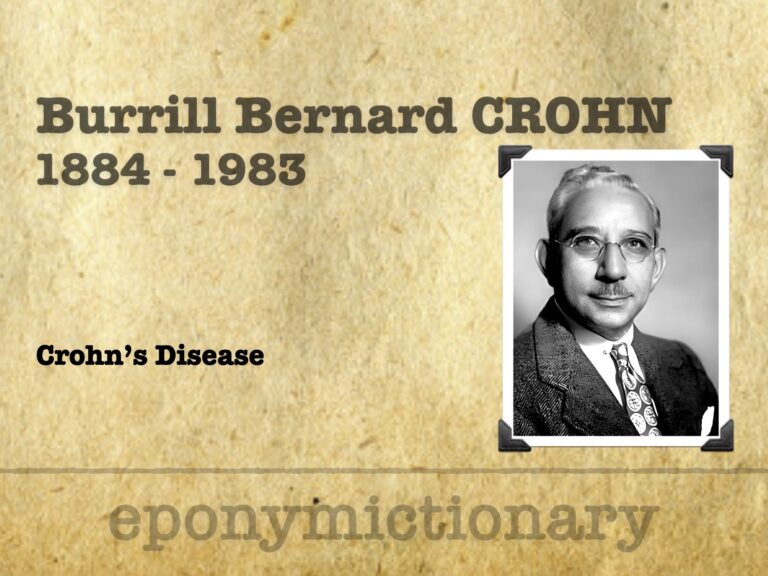
Burrill B. Crohn (1884–1983), pioneering gastroenterologist and namesake of Crohn’s disease. Discover his life, work, and medical legacy
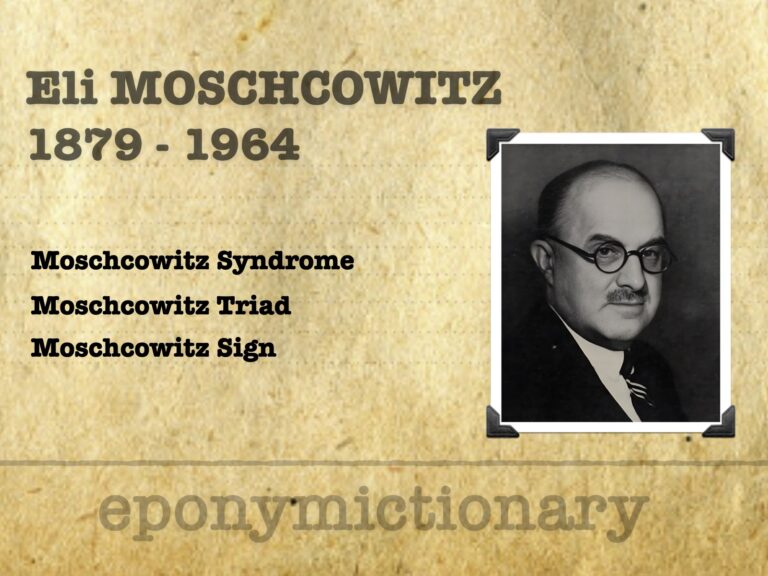
Eli Moschcowitz (1879–1964), pathologist who first described TTP and pioneered early psychosomatic medicine, influencing the biopsychosocial model.

John Henry Bryant (1867–1906) English physician. Eponym: Blue Scrotum Sign of Bryant associated with ruptured abdominal aortic anurysm (1903)