

Losing the War on Resistant Gram Negatives
Extended spectrum beta-lactamases (ESBLs) have been a challenge to antimicrobial therapy since the 1980s and still continue to be...


Extended spectrum beta-lactamases (ESBLs) have been a challenge to antimicrobial therapy since the 1980s and still continue to be...
The current Bordetella pertussis epidemic began in 2008. The peak of the outbreak was reached in 2009 with 35,000 cases (156 per 100,000 population) with the most affected age group being the 5-9 year old cohort. Though immunisation is above 90%…
In the future infectious diseases specialists will not only have human infections and zoonoses to deal with, but gizmonotic diseases (like computer viruses) as well.
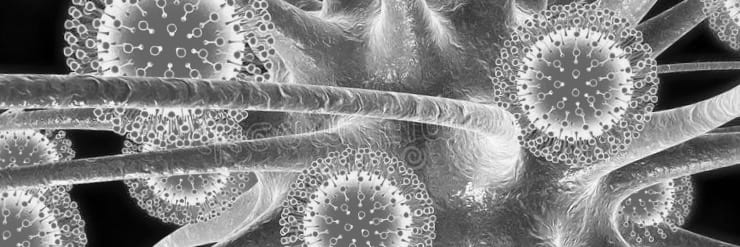
The malaria disease is caused by a Plasmodium protozoal parasite, post proboscis penetration by an infected Anopheles mosquito. Here we discuss Malaria vaccine
Leptospirosis is an infection caused by the spirochaete genus of Leptospira. Severe forms may result in critical illness, including Weil disease and severe pulmonary haemorrhage
Haemophagocytic lymphohistiocytosis (HLH) may be inherited (AR; 5 subtypes, aka familial HLH) or acquired; may mimic severe sepsis, consider in apparent sepsis without source
Antibacterial Resistance: Natural Resistance – they do not possess the molecular target of the drug or are impermeable to it; Acquired resistance – occurs through mutation or the acquisition of new genetic material carried by mobile elements
Antimicrobial Stewardship is defined as ‘an ongoing effort by a health-care institution to optimise antimicrobial use among hospital patients in order to improve patient outcomes, ensure cost-effective therapy and reduce adverse sequelae of antimicrobial use (including antimicrobial resistance)’
Antimicrobial Quick Reference
Aspergillosis: fungal disease caused by the mold Aspergillus, ranging from hypersensitivity to invasive infection. Important species include Aspergillus fumigatus, niger, flavus, calavtus; transmission by inhalation; high mortality
Bacterial meningitis = pyogenic infection of the cerebral ventricles and subarachnoid space -> CSF; usually confined to meninges (although in neonates and adults with Listeria monocytogenes -> cerebritis, encephalitis and abscesses can form)
Diagnosis and treatment of candidiasis is a contentious issue; invasive candidiasis is difficult to diagnose; >150 species of Candida (a yeast), few are pathogens