


LITFL Update 068

Sending you free open-access medical (FOAM) content from around the globe. We keep an eye on all the trends and best articles and share them with you so that you stay top of your field.

CT Case 107: A 60-year-old male is brought in by ambulance following a head-on car collision at moderate speed. He reports severe midline neck pain and is unable to tolerate a hard C-spine collar. CT cervical spine is requested.
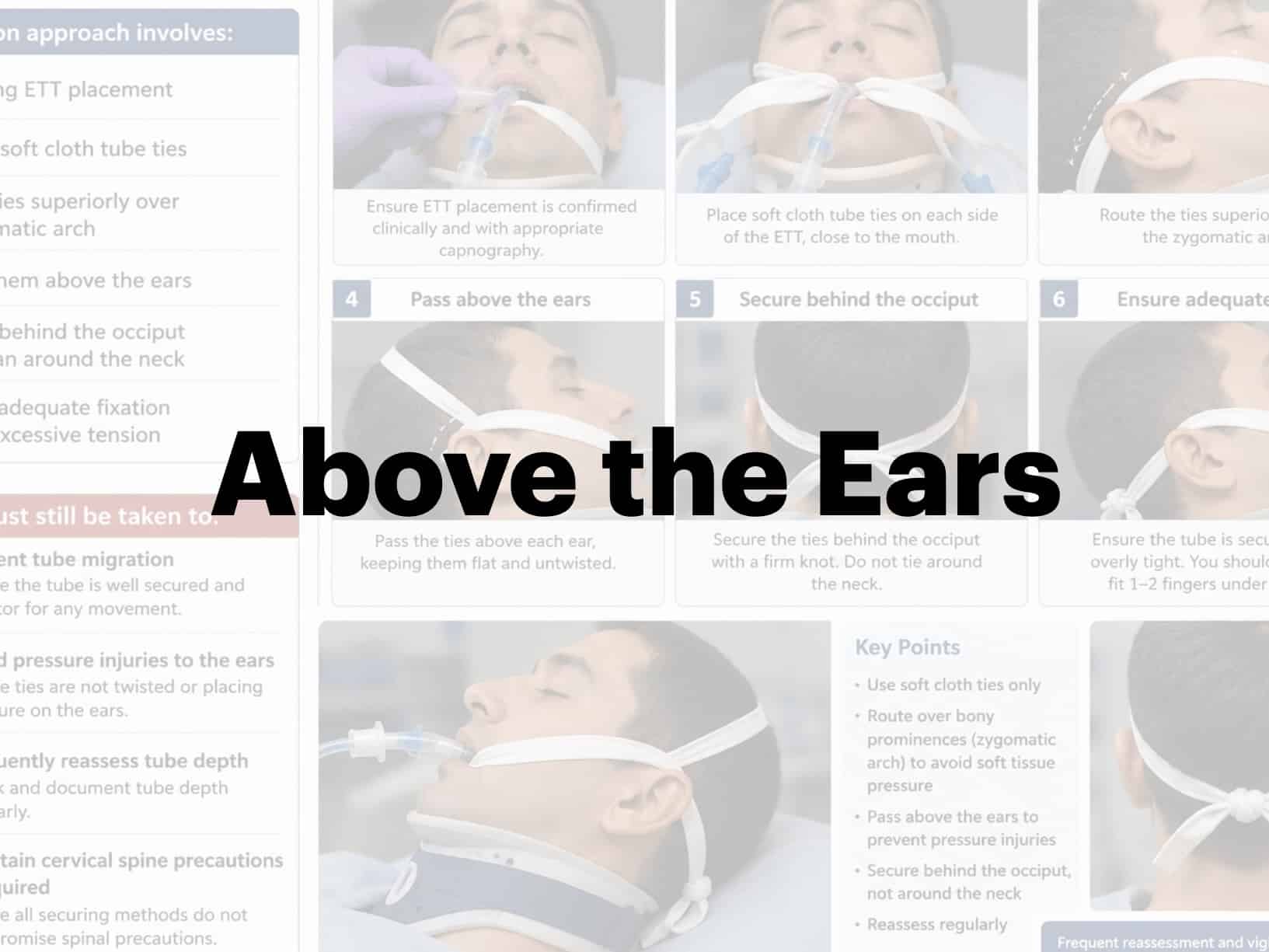
Above the Ears: The Monro–Kellie Doctrine meets airway management. Where you secure your ETT in TBI matters more than you might think. Secure the ETT with cloth ties above the ears for neuroprotection.
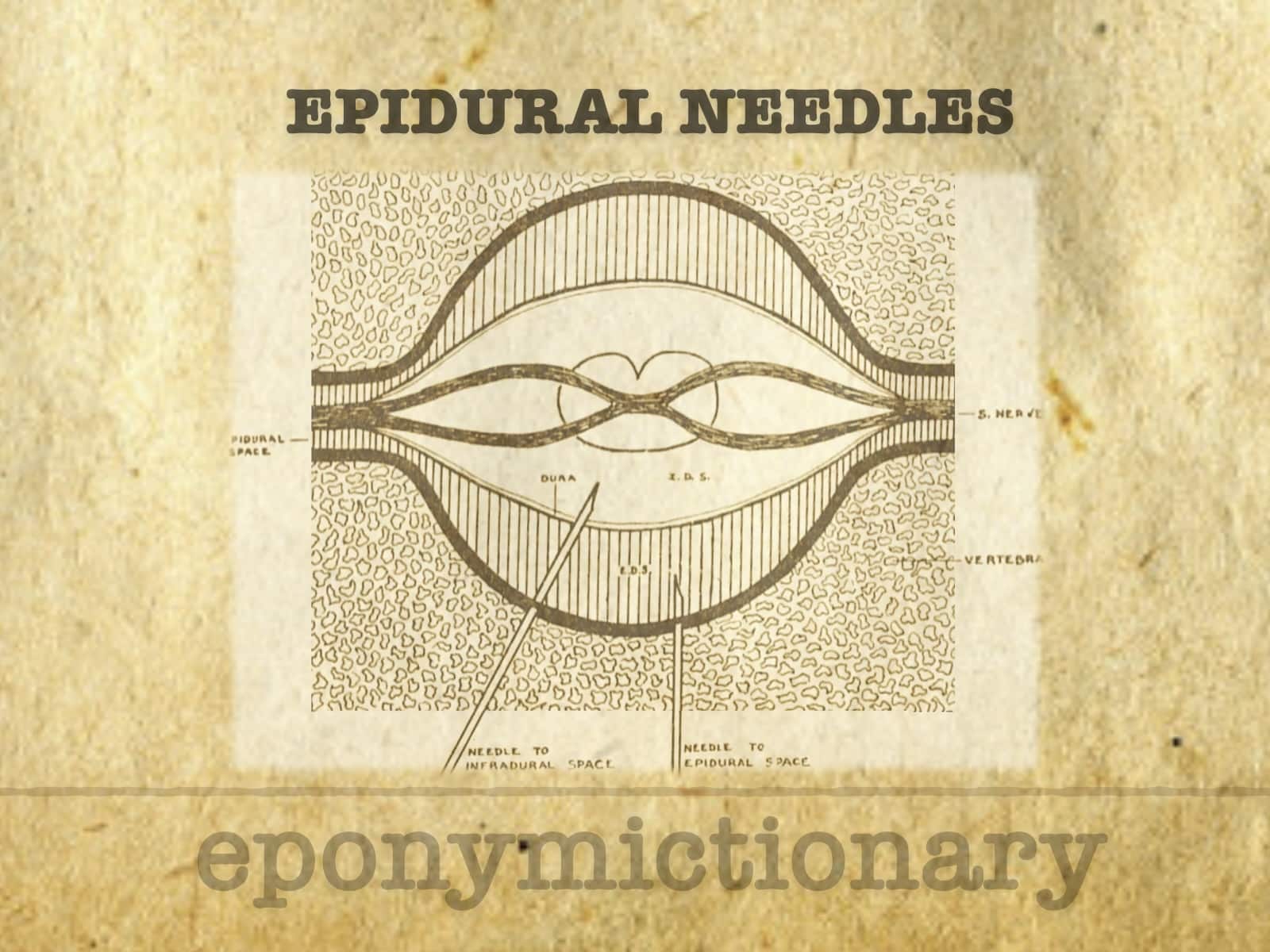
History of Epidural Needles and Catheters: Epidural needles walk a narrow path – past skin and ligament, through the flavum, but never the dura. Unpack the history, designs, and localisation techniques behind one of anaesthesia’s essential tools.
Latest updates from the #FOAMed world
This excellent critical care case walks through a structured, bedside approach to diagnosing and managing severe hypoxaemia in the ventilated trauma patient. Topics include using ventilator waveforms as a diagnostic tool, interpreting peak versus plateau pressures, identifying massive air leaks, optimising patient positioning and V/Q matching, and navigating the delicate balance between PEEP, oxygenation, and haemodynamic stability. A practical, high-yield discussion packed with pearls for emergency, trauma, critical care, and retrieval clinicians.
How do we avoid missing rare diagnoses while not overcalling them? In this engaging podcast episode, Nick and Cyrus revisit the concepts of horses, zebras, zorses, and hebras to explore diagnostic reasoning in allergy and immunology. Using real-world examples, they discuss cognitive biases, disease prevalence, and the challenges of balancing common diagnoses with uncommon but important conditions. A thought-provoking listen for emergency, acute care, and primary care clinicians looking to sharpen their diagnostic thinking and clinical decision-making.
Can uncomplicated appendicitis be safely managed without surgery? This thought-provoking SGEM review explores the growing evidence supporting an antibiotic-first approach for carefully selected patients with imaging-confirmed uncomplicated appendicitis. The discussion examines who may be suitable for non-operative management, the risks of recurrence and treatment failure, and the importance of shared decision-making between clinicians and patients.
High-performing trauma team leaders don’t just manage tasks – they manage time. In this practical leadership tip, Simon Carley highlights the importance of setting clear, team-specific time goals during trauma resuscitations to maintain momentum, improve communication, and reduce delays. By establishing targets such as time to primary survey, CT, blood products, or definitive intervention, teams develop a shared mental model and remain focused on critical priorities. An excellent read for trauma team leaders looking to improve efficiency, situational awareness, and patient flow in the resuscitation room.
LITFL Comms
Newsletter Updates

Emergency nurse with ultra-keen interest in the realms of toxicology, sepsis, eLearning and the management of critical care in the Emergency Department | LinkedIn |

BA MA (Oxon) MBChB (Edin) FACEM FFSEM. Emergency physician, Sir Charles Gairdner Hospital. Passion for rugby, medical history, medical education, and asynchronous learning #FOAMed evangelist. Editor-in-Chief and Webmaster of Life in the Fast lane, LITFL | On Call 4e| Eponyms | Books | Horology |