


LITFL Update 070

Sending you free open-access medical (FOAM) content from around the globe. We keep an eye on all the trends and best articles and share them with you so that you stay top of your field.
AI in Cardiac CT: AI is transforming cardiac CT from real-time coronary artery analysis and automated TAVI planning to detecting coronary inflammation invisible to the human eye. Issues include AI hallucinations, accuracy, blackbox algorithms, and clinician responsibility.
Dulcor: Rubor, tumor, calor, dolor. Around AD 30, the Roman encyclopaedist Aulus Cornelius Celsus, whose status as a practising physician remains uncertain, set down four words that medicine has spent two thousand years failing to improve upon.
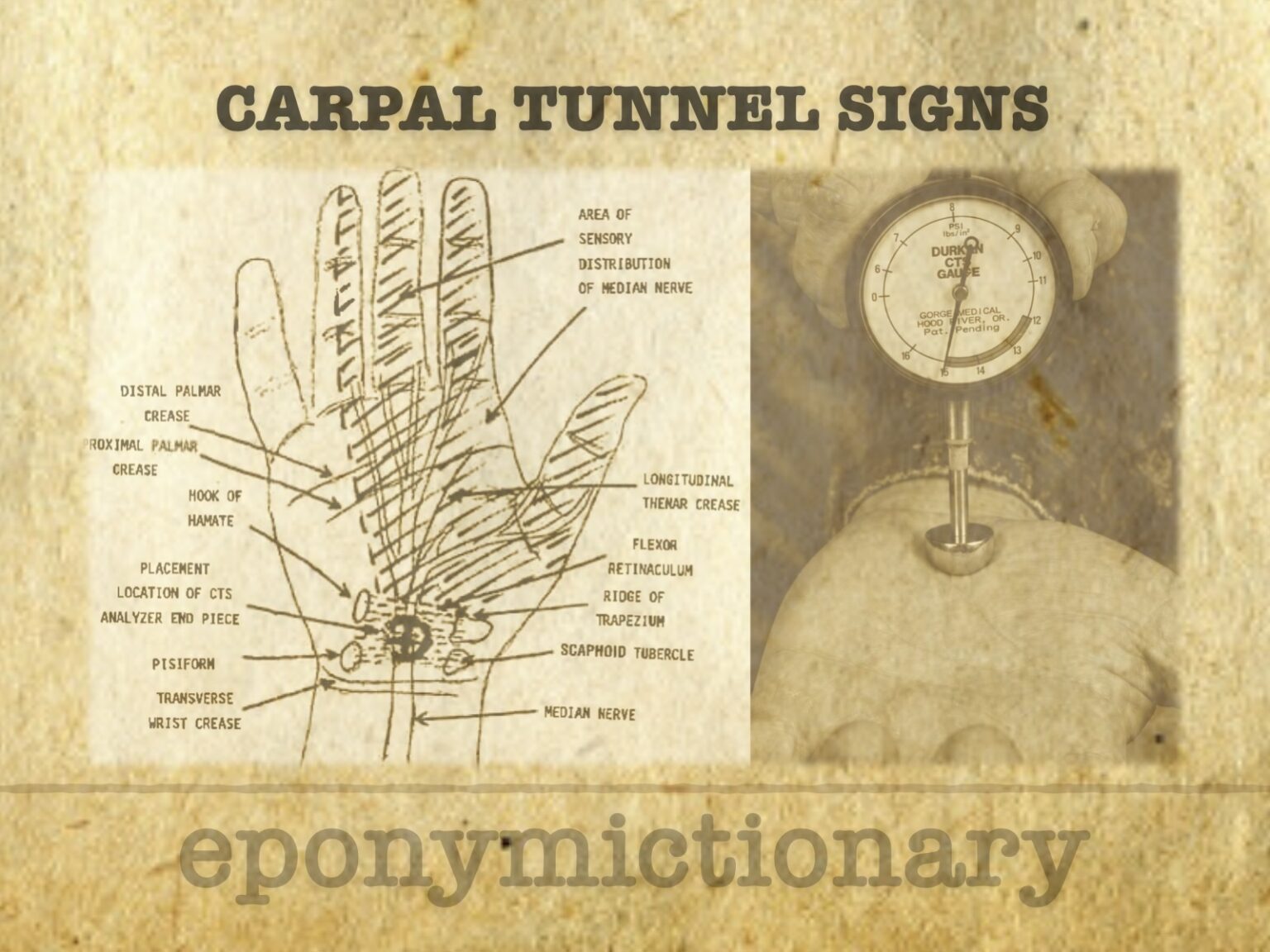
Carpal Tunnel Syndrome Signs: Carpal tunnel syndrome is synonymous with multiple eponymous and semi-eponymous clinical signs, such as the Hoffmann–Tinel sign and Phalen test.
Latest updates from the #FOAMed world
Facial Injuries: Assessment, Management and Disposition delivers a practical, systems-based approach to facial trauma in the emergency department. Rather than focusing solely on fractures, it emphasises recognising airway compromise, vision-threatening injuries, major haemorrhage, and subtle soft-tissue damage that can easily be missed. Packed with clinical pearls on assessment, imaging, disposition, and when to involve specialists, this is an excellent update for anyone managing facial trauma.
Persistent Post-Concussion Syndrome highlights new evidence that around one in three children and adolescents experience ongoing symptoms after concussion. Rather than relying on reassurance alone, the article explores how early identification and a multidisciplinary, symptom-targeted approach—including education, physiotherapy, and psychology—can accelerate recovery and improve return to school, sport, and daily life. Essential reading for anyone managing paediatric head injuries.
The Performance Art of Medicine explores the idea that great clinicians are also skilled performers—not because they are pretending, but because communication, empathy, and presence are deliberate clinical skills. Drawing on theatre, improvisation, and emergency medicine, this fascinating article shows how performance techniques can strengthen patient care while highlighting the importance of “de-roling” to protect clinicians from burnout and compassion fatigue. A thought-provoking read for anyone working in healthcare.
Rant: Lactate is your friend challenges one of emergency medicine’s most common reflexes—treating every elevated lactate with aggressive fluid resuscitation. Using a practical rural ED case, Casey Parker explains why lactate is a marker of physiology, not simply tissue hypoperfusion, and why context always matters. If you’ve ever ordered fluids because of “the lactate”, this thought-provoking read may change your practice.
LITFL Comms
Newsletter Updates

Emergency nurse with ultra-keen interest in the realms of toxicology, sepsis, eLearning and the management of critical care in the Emergency Department | LinkedIn |

BA MA (Oxon) MBChB (Edin) FACEM FFSEM. Emergency physician, Sir Charles Gairdner Hospital. Passion for rugby, medical history, medical education, and asynchronous learning #FOAMed evangelist. Editor-in-Chief and Webmaster of Life in the Fast lane, LITFL | On Call 4e| Eponyms | Books | Horology |