
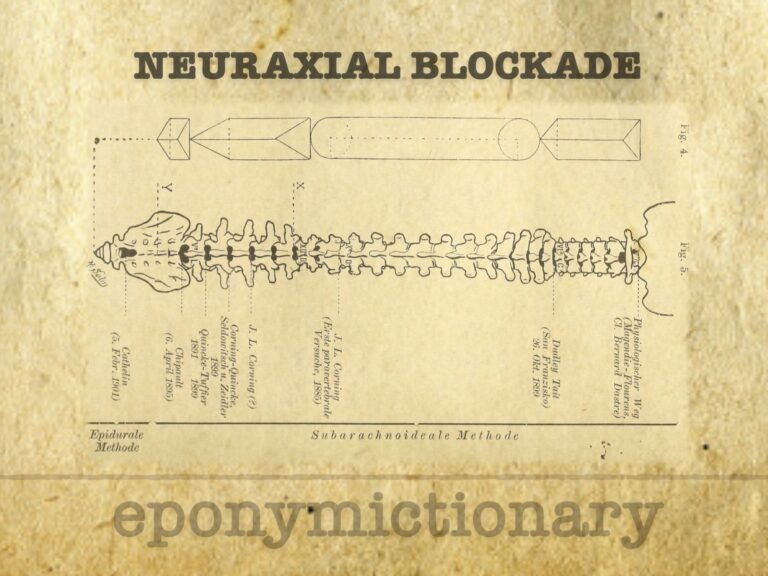
History of Neuraxial Anaesthesia
History of neuraxial anaesthesia: milestones in spinal and epidural blockade from Koller and Corning to Quincke, Bier, Tuohy and Curbelo.

History of neuraxial anaesthesia: milestones in spinal and epidural blockade from Koller and Corning to Quincke, Bier, Tuohy and Curbelo.
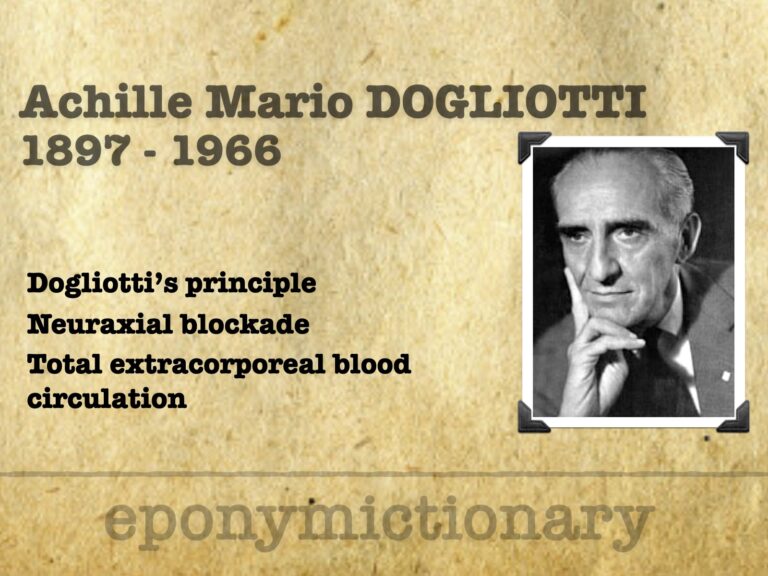
Achille Mario Dogliotti (1897-1966), Italian surgeon. Pioneer of epidural anaesthesia (Dogliotti’s principle), pain therapy, cardiac surgery, and total extracorporeal blood circulation
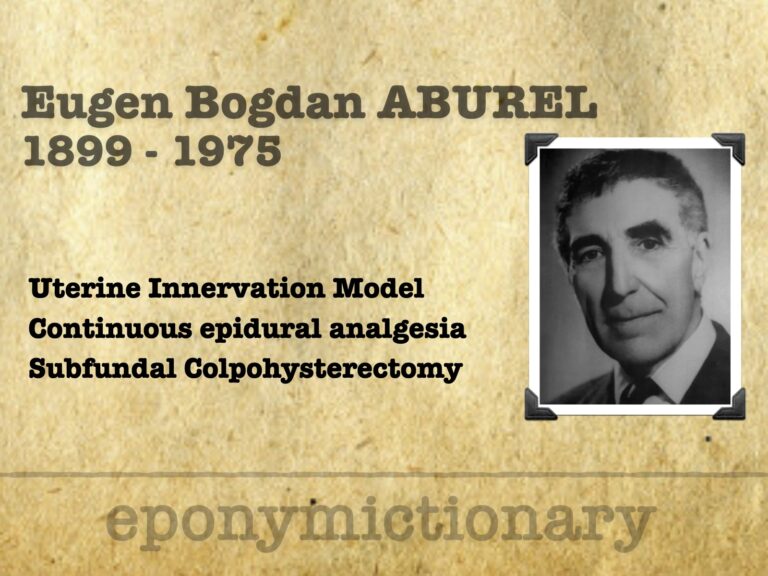
Eugen Bogdan Aburel (1899-1975), Romanian obstetrician and gynaecologist. Pioneer of continuous epidural analgesia, and fertility-sparing cancer surgery
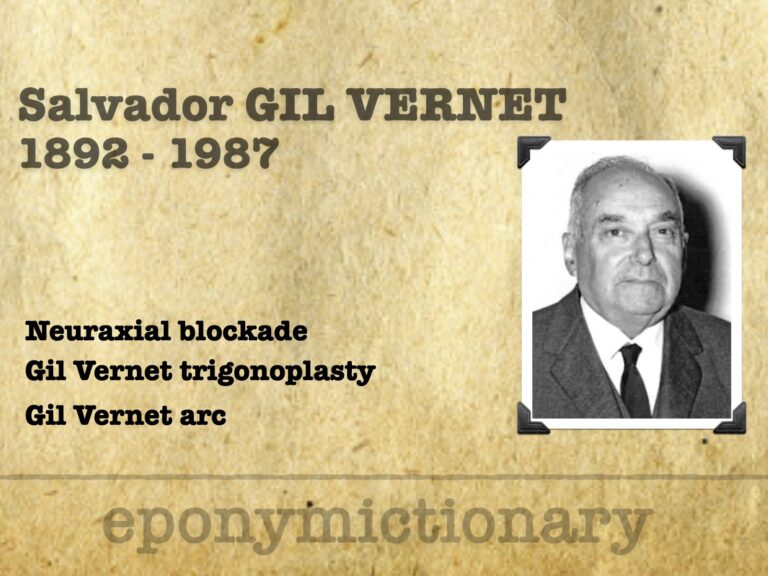
Salvador Gil Vernet (1892-1987), Spanish urologist. pioneer of functional pelvic anatomy, prostate zonal theory, continence mechanisms and anatomy-led urological surgery.
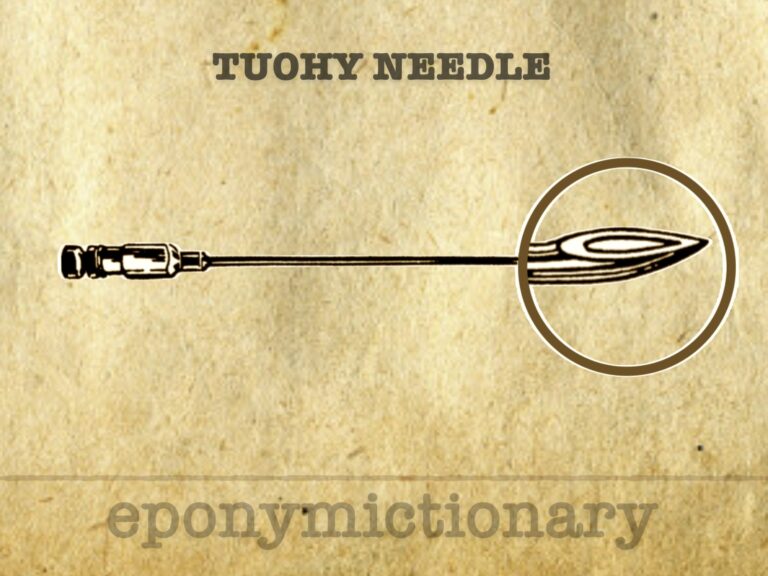
Tuohy needle: directional neuraxial needle enabling continuous spinal and epidural catheter techniques, based on the original Huber-point design.

Edward Boyce Tuohy (1908 – 1959) American anaesthesiologist. Best known for contribution to continuous epidural anaesthesia; Tuohy needle
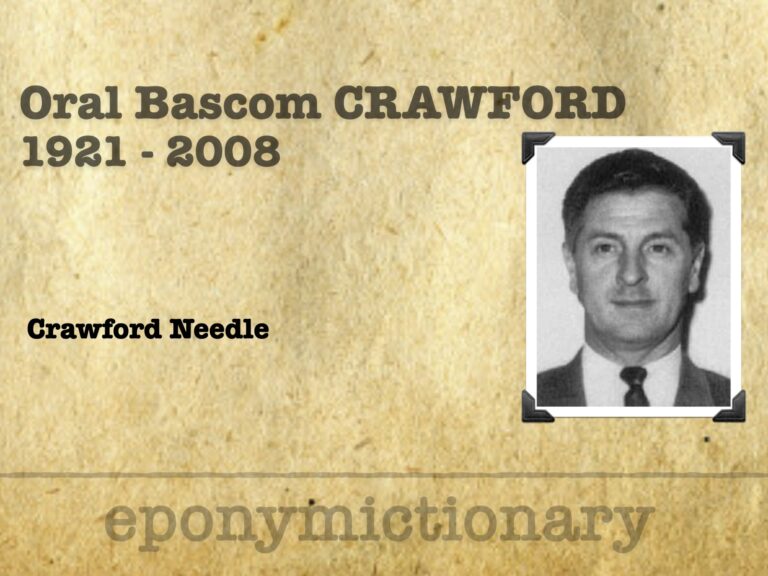
Oral Bascom Crawford Jr (1921–2008), American anesthesiologist. Early advocate of thoracic epidural anesthesia, inventor of the Crawford needle, and prilocaine investigator.
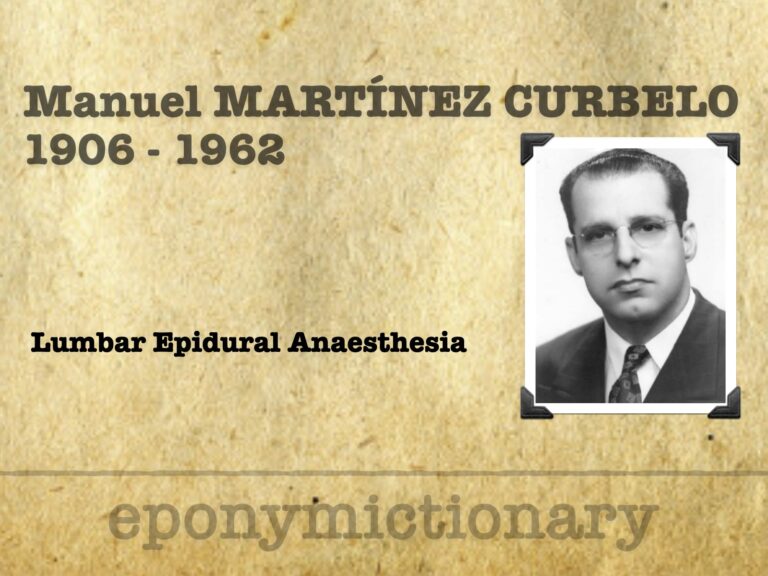
Pío Manuel Martínez Curbelo (1906–1962), Cuban anaesthesiologist who pioneered the first lumbar epidural catheter and published continuous epidural anaesthesia (1947–49).
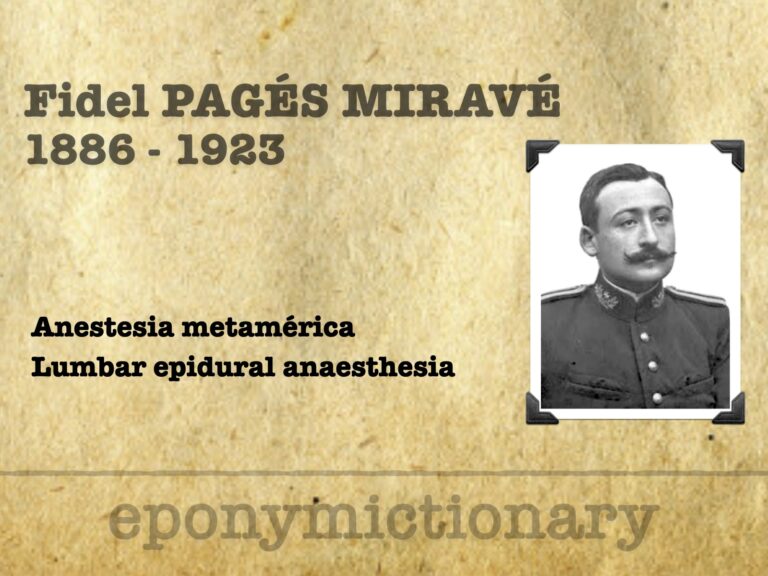
Fidel Pagés (1886–1923): Spanish military surgeon who described “anestesia metamérica” (1921), an early, practical lumbar epidural technique.
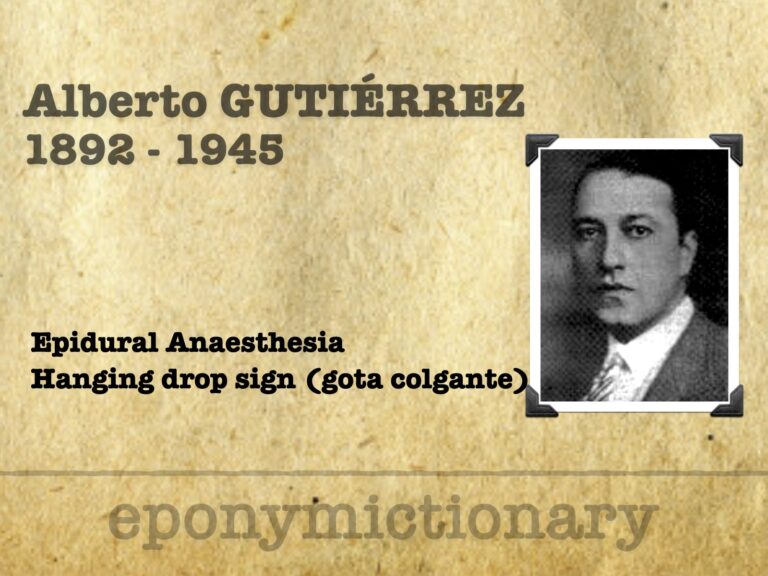
Alberto Gutiérrez (1892–1945), Argentine surgeon who described the epidural “hanging drop” sign (1933) and founded Argentina’s anaesthesia journal.
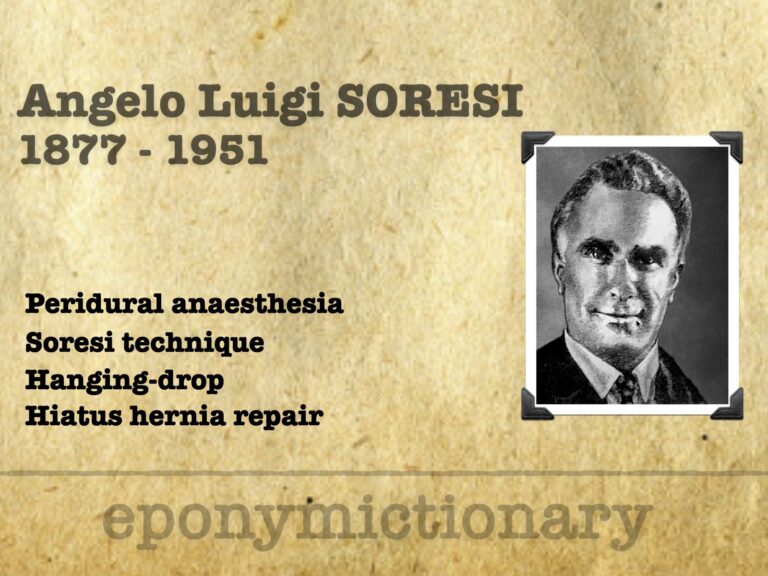
Angelo Luigi Soresi (1877–1951), Italian-born American surgeon who described peridural (epidural) anaesthesia and an early “hanging drop” endpoint for locating the epidural space (1932).