
CXR eponyms in pulmonary embolism
CXR eponyms in pulmonary embolism: Westermark, Hampton, Fleischner, Chang and Palla signs, their history, original descriptions and modern relevance.


CXR eponyms in pulmonary embolism: Westermark, Hampton, Fleischner, Chang and Palla signs, their history, original descriptions and modern relevance.
Dulcor: a proposed sweet sign of chronic inflammation, linking glycation and advanced glycation end-products with Celsus’s classical cardinal signs.
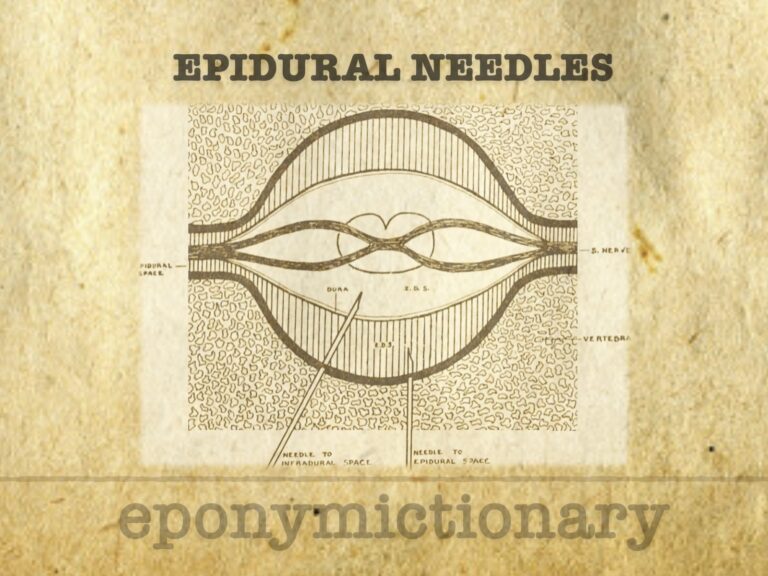
History of epidural needles and catheters from caudal access and loss of resistance to Tuohy, Curbelo and modern catheter design.
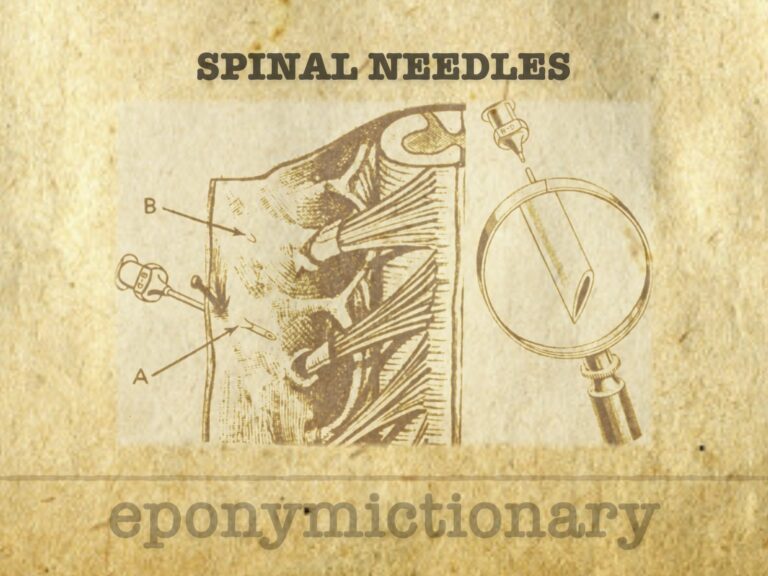
History of spinal needles from early lumbar puncture and Quincke cutting bevels to Greene, Whitacre and Sprotte atraumatic designs reducing PDPH.
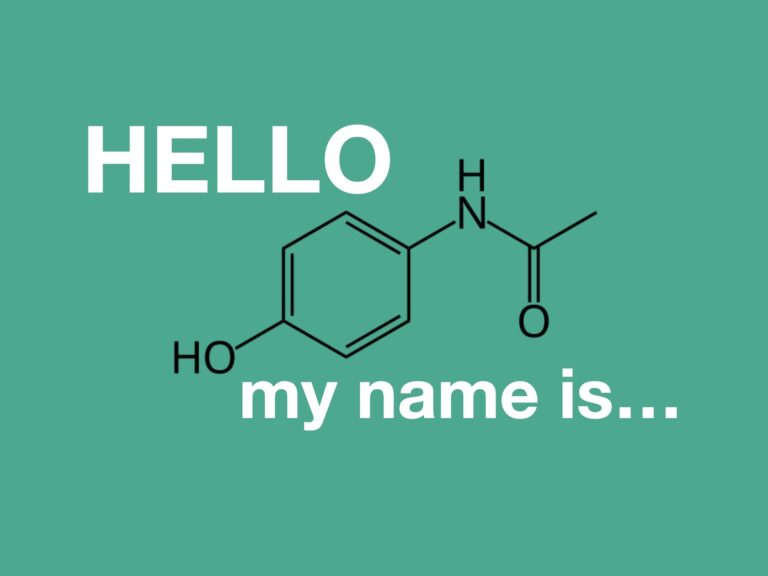
Paracetamol or acetaminophen? Discover how one familiar analgesic was made, overlooked, rediscovered and given two different names worldwide.
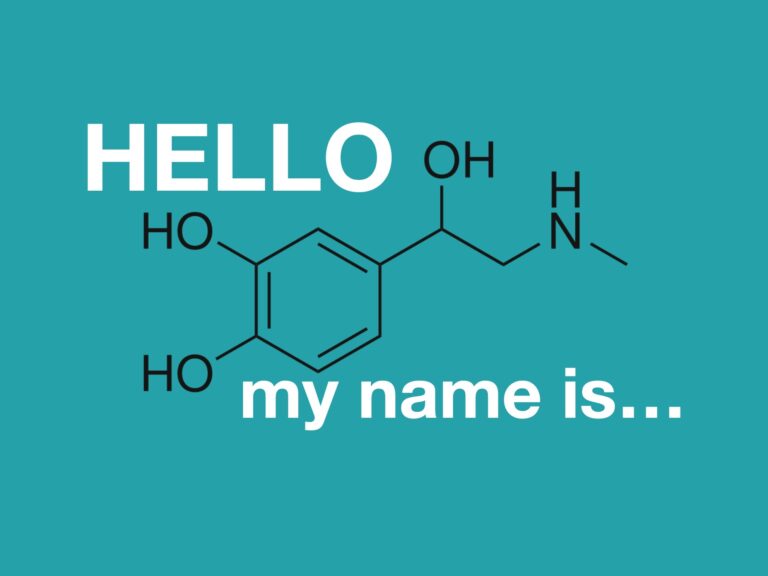
Adrenaline or epinephrine? Based on the 'usage argument'; 'historical precedent' and 'etymological derivation'...
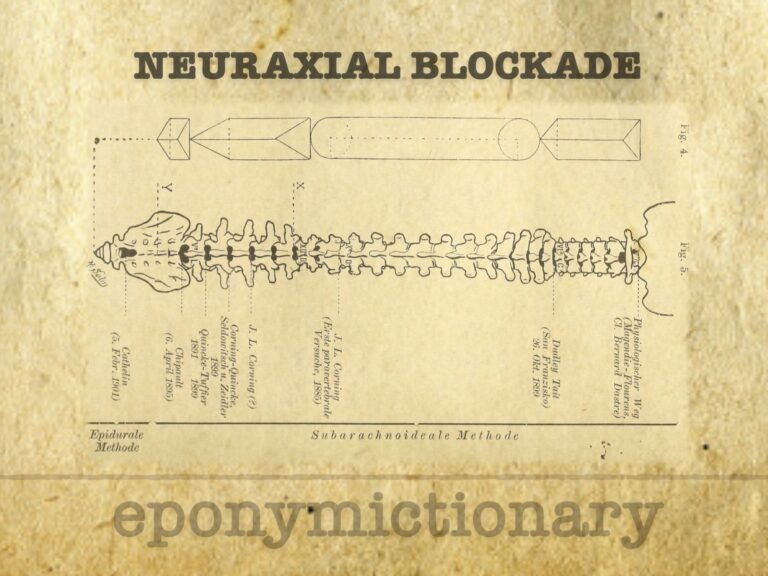
History of neuraxial anaesthesia: milestones in spinal and epidural blockade from Koller and Corning to Quincke, Bier, Tuohy and Curbelo.
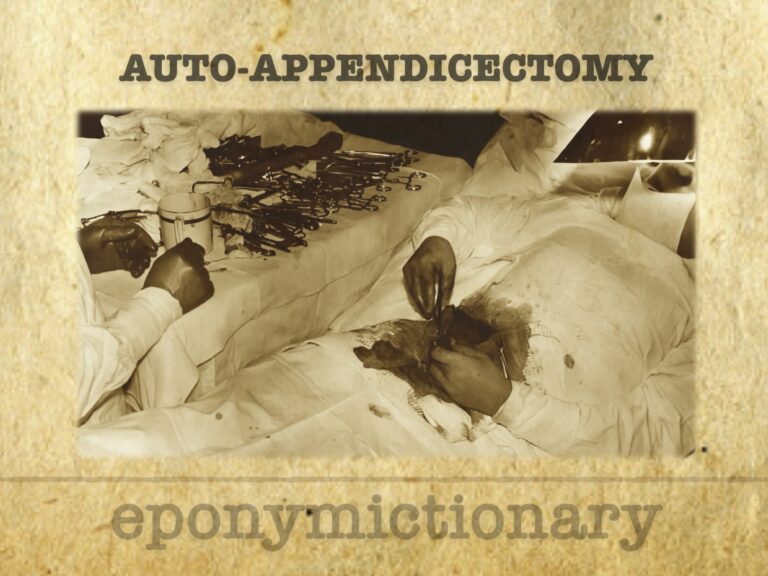
Auto-appendicectomy: three landmark self-appendectomy cases—Kane (1921), McLaren (1944), Rogozov (1961)—and what they reveal about surgery in extremis.
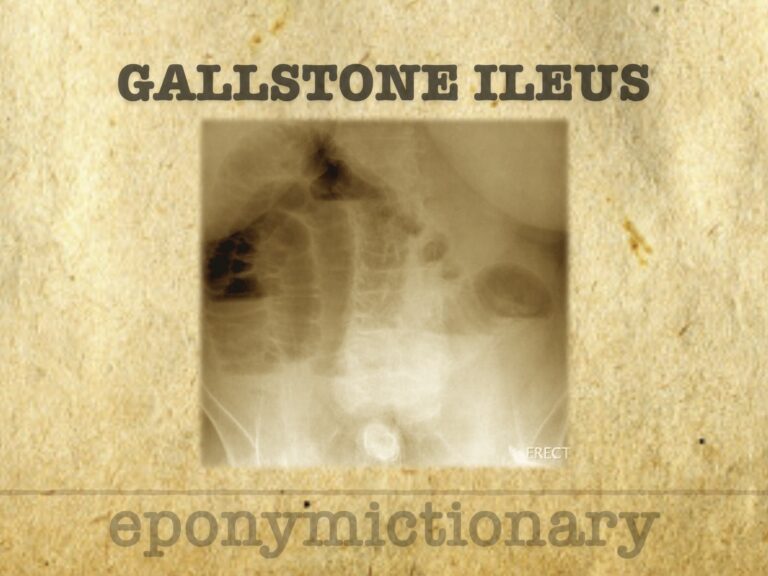
history of gallstone ileus: from early autopsy reports to surgical breakthroughs, tracing its clinical evolution from Courvoisier to Clavien
Eponymythology: heart murmur eponyms and named cardiac murmurs. Related eponyms, the person behind their origin, their relevance today, and modern terminology.
Eponymous medical triads, tetrads, and pentads: clusters of signs and symptoms aiding diagnosis and clinical teaching

Non-traumatic abdominal ecchymosis of the abdominal wall and flanks (Grey Turner, Cullen and Stabler); scrotum (Bryant) and upper thigh (Fox) as clues to potentially serious causes of abdominal pathology.