
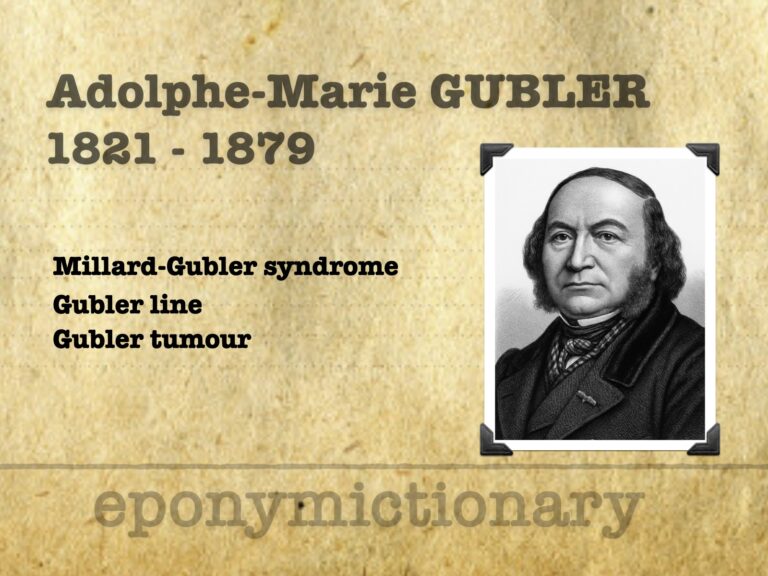
Adolphe-Marie Gubler
Adolphe-Marie Gubler (1821-1879) was a French physician and therapeutic pharmacologist. Millard-Gubler syndrome (1856)


Adolphe-Marie Gubler (1821-1879) was a French physician and therapeutic pharmacologist. Millard-Gubler syndrome (1856)
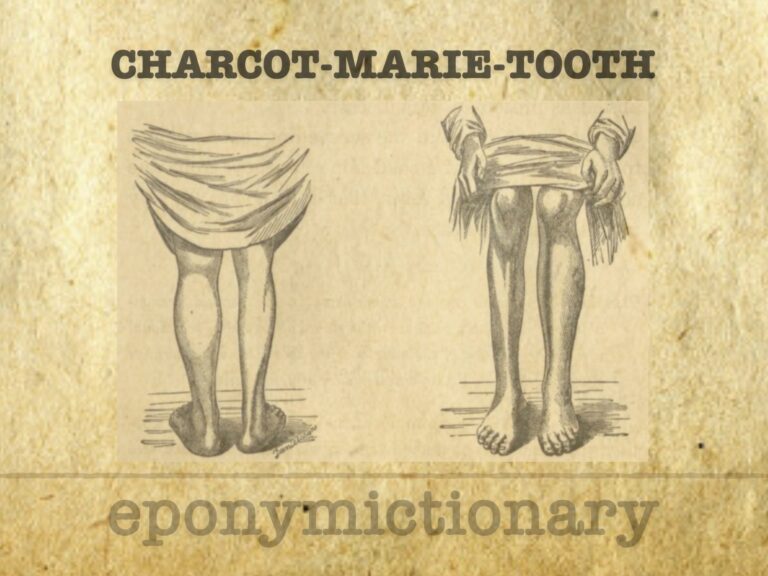
Charcot–Marie–Tooth disease (CMT) is the most common inherited neuropathy, encompassing genetically diverse subtypes of peripheral nerve dysfunction.
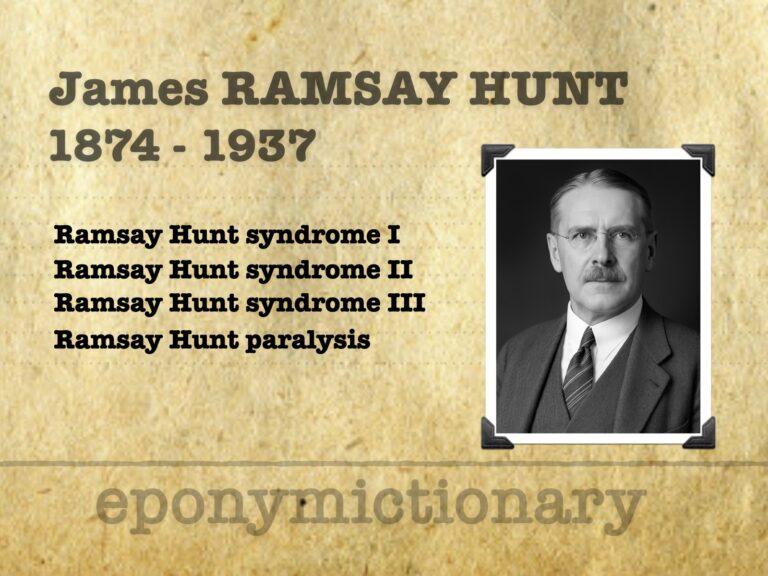
James Ramsay Hunt (1874-1937) American neurologist. Renowned for his contributions to the field of neurology. Several conditions bear his name including Ramsay Hunt syndrome (1907)
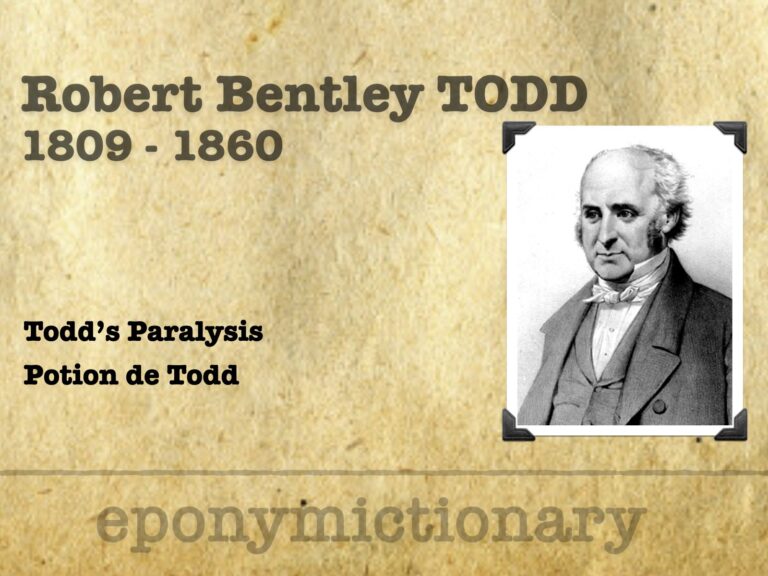
Robert Bentley Todd (1809-1860) was an Irish physician. Provided early depictions of migraine, peripheral neuritis, and postepileptic paralysis (Todd's palsy). He also gave an important discourse on locomotor ataxy (tabes dorsalis).
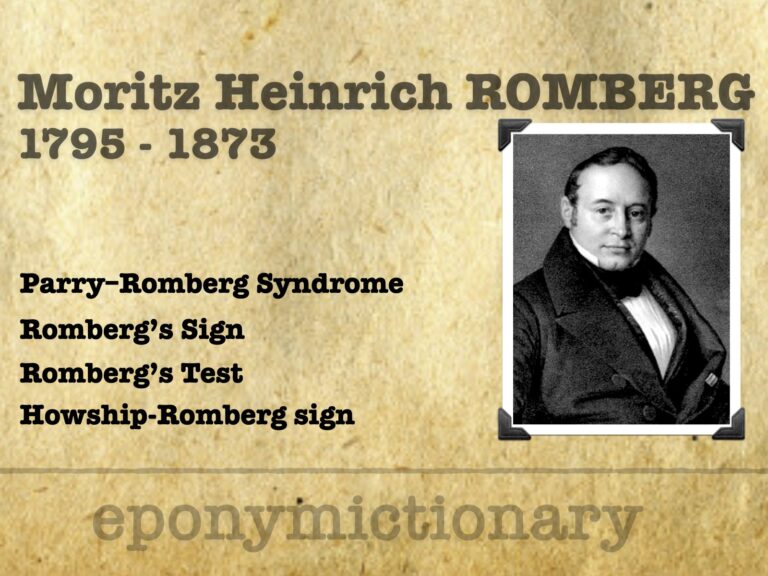
Moritz Heinrich Romberg (1795–1873) a founder of clinical neurology, Romberg’s sign, Parry–Romberg syndrome and Howship–Romberg sign
Charles Edward Beevor (1854-1908) was an English neurologist. Beevor sign - indicating a spinal cord lesion between T10 and T12
Neuro 101: anatomy of the peripheral nervous system, localisation of nerve injuries, pathology affecting peripheral nerves, the brachial and lumbosacral plexuses, peripheral nerve examination, common peripheral neuropathies, and diseases affecting the neuromuscular junction.
Neuro 101: anatomical structure of the spinal cord and vertebral column, spinal nerve organisation, blood supply, motor and sensory pathways, clinical examination principles
Neuro 101: A brief overview of the cranial nerves, their function, methods of testing and common pathology
Neuro 101: The brainstem is organised into three regions: the medulla, pons, and midbrain. A review of pathology and syndromes
Neuro 101: The primary role of the cerebellum is to modulate the descending fibres of the corticospinal tract. It regulates muscle tone and coordination and controls posture and gait.
Neuro 101: Cerebral Hemispheres. Clinicoanatomic correlation for frontal, temporal, parietal and occipital lobes. Overview of anterior and posterior arterial circulation