


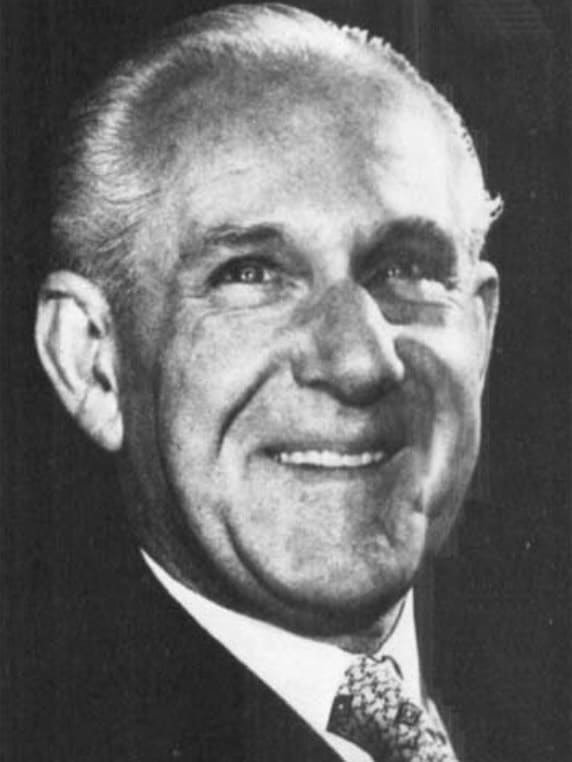
Edgar Stanley Rowbotham (1890-1979) was an English anaesthetist and medical innovator
Rowbotham helped shape the development of modern endotracheal anaesthesia. Working alongside Ivan Whiteside Magill after the First World War, he developed airway techniques suited to prolonged facial reconstructive operations where the anaesthetist needed to maintain a secure airway while remaining clear of the surgical field.
At Sidcup, Rowbotham and Magill helped drive the transition from narrow-bore intratracheal insufflation to endotracheal intubation using wider tubes through which the patient could breathe normally. Rowbotham developed nasal catheter techniques, return airways, a guiding rod for direct-vision tube placement and methods that contributed to blind nasal intubation.
Rowbotham was an innovator throughout his career. His work included basal narcosis, thyroid anaesthesia, cyclopropane, airway and regional-anaesthesia equipment, an inflatable pharyngeal tube, d-tubocurarine and early mechanical ventilation.
Biographical Timeline
- Edgar Stanley Rowbotham was born on May 8, 1890 in Clapham, London. He studied at King’s College London and Charing Cross Hospital Medical School.
- 1914 – Serving with the Officer Training Corps when war was declared, Rowbotham was sent to France with an infantry regiment before being advised to return to England to complete his medical studies.
- 1915 – Qualified MRCS LRCP and was immediately commissioned into the Royal Army Medical Corps. Posted to the 4th Hussars as Regimental Medical Officer. Later mentioned twice in dispatches.
- 1919 – Posted to the Queen’s Hospital for Facial and Jaw Injuries at Sidcup, where Harold Delf Gillies (1882-1960) had established his pioneering plastic surgery unit. Rowbotham met fellow RAMC officer Ivan Whiteside Magill. Neither had previous anaesthetic experience, but together they began developing airway and anaesthetic techniques suited to complex facial reconstruction.
- 1920s–1930s – Developed a broad anaesthetic practice in London, with appointments including the Royal Cancer Hospital, Royal Free Hospital and Charing Cross Hospital.
- 1932 – Awarded MD by Durham University.
- 1933 – Became an early British adopter and investigator of cyclopropane. Rowbotham and colleagues reported experience with 250 administrations in 1935
- 1930s–1940s – Worked closely with thyroid surgeon Cecil Joll, developing combined basal narcosis, local analgesia, light general anaesthesia and blind nasal intubation for thyroidectomy.
- 1939–1945 – Returned to the RAMC during the Second World War. He directed a Surgical Division, taught anaesthesia at Aldershot and later worked with a maxillofacial surgical unit in Belgium.
- 1945 – Collaborated with F. Prescott and G. S. W. Organe in early British clinical work with d-tubocurarine, followed by development of early mechanical ventilation techniques.
- 1946 – Elected President of the Section of Anaesthetics of the Royal Society of Medicine.
- 1948 – Appointed to the first Board of the Faculty of Anaesthetists of the Royal College of Surgeons of England.
- 1955 – Retired from clinical practice.
- 1958 – Elected Honorary Fellow of the Faculty of Anaesthetists.
- Died April 10, 1979 aged 88, having retired eventually to Madeira.
Key Medical Contributions
Tracheal anaesthesia at Sidcup (1919–1923)
Rowbotham worked with Ivan Magill at the Queen’s Hospital for Facial and Jaw Injuries, Sidcup. The reconstructive surgery undertaken by Harold Delf Gillies (1882-1960) created an unusual anaesthetic problem. The surgeon required unrestricted access to the face, mouth and jaws while the anaesthetist needed to maintain a secure airway, prevent aspiration of blood and secretions, and deliver prolonged anaesthesia without repeatedly entering the operative field.
1921 – Rowbotham and Magill adapted pharyngeal airways, intratracheal insufflation catheters, return airways and ultimately wide-bore tracheal tubes to solve these problems. They published Anæsthetics in the Plastic Surgery of the Face and Jaws based on 3,000 anaesthetics at Sidcup and described how the anaesthetist should establish the airway and anaesthetic system before allowing the surgeon uninterrupted access to the field.
Tracheal insufflation techniques had previously been designed by Meltzer–Auer, Elsberg, Kelly and Shipway. The Sidcup contribution was the adaptation of these methods to prolonged reconstructive facial surgery and their evolution toward practical endotracheal anaesthesia.
Nasal intratracheal anaesthesia and blind nasal intubation (1920)
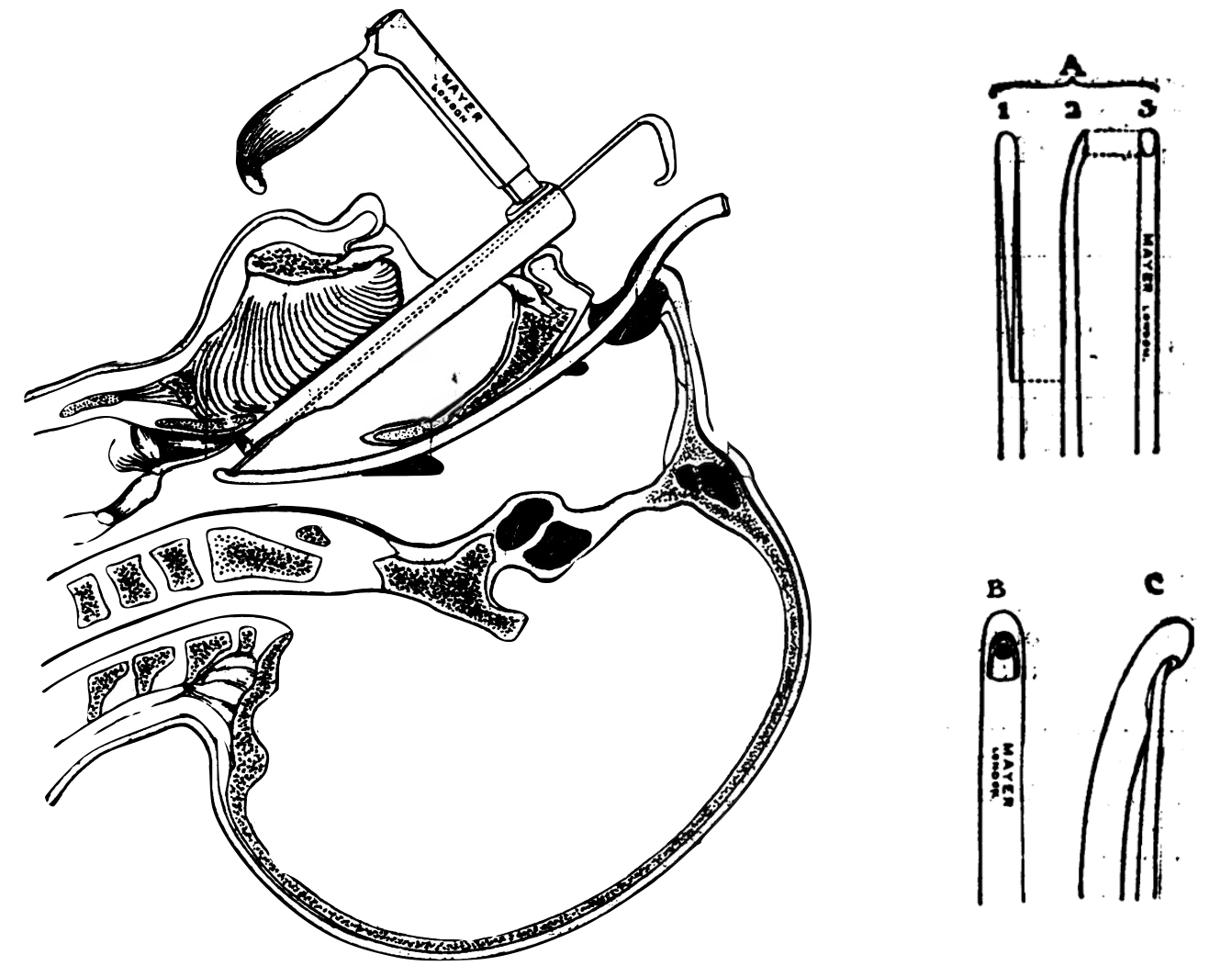
In 1920 Rowbotham published Intratracheal anaesthesia by the nasal route for operations on the mouth and lips. A catheter was passed through the nose into the pharynx, identified with a direct laryngoscope, engaged with a specially designed guiding rod and directed between the vocal cords.
The technique allowed the anaesthetic tubing to remain clear of the operative field and could be combined with a second nasal tube acting as a return airway for expiration. Rowbotham defined the sequence of nasal passage, laryngoscopic identification and direct guidance through the glottis.
Rowbotham noted that a suitably curved catheter would occasionally pass directly through the glottis when advanced from the nose. He experimented with catheter curvature in an attempt to reproduce the phenomenon. His work was an important precursor to blind nasal intubation later developed by Magill.
Return airways and the transition to wide-bore endotracheal tubes
Intratracheal insufflation provided a secure route for delivery of anaesthetic gases but created a separate problem: expiration had to escape around the narrow catheter and through an operative field frequently packed with gauze.
At Sidcup, Rowbotham and Magill introduced a second airway to provide an unobstructed route for expiration and divert ether-laden expired gas away from the surgeon. Their 1921 paper describes oral and nasal return airways and a second tube passed alongside the intratracheal insufflation catheter.
1926 – In his Clinical Lecture on Intratracheal Anaesthesia, Rowbotham described the evolution from this double-intubation technique to what he termed single intubation. A single tube of adequate calibre passed into the trachea would allow the patient to breathe backwards and forwards through the tube, more closely reproducing normal respiration.
The wider tube removed the need for expiration around a narrow insufflation catheter, reduced airway resistance and anatomical dead space, and simplified airway control during surgery. Rowbotham found the technique particularly useful for operations on the mouth, tongue and throat, where a protected tracheal airway also kept blood and secretions from entering the lower respiratory tract.
Rowbotham described the physiological rationale for single-tube to-and-fro respiration, while Magill refined the tubes, connectors and techniques that established endotracheal intubation in routine practice.
Direct laryngoscopic intubation and the Rowbotham guiding rod (1923)
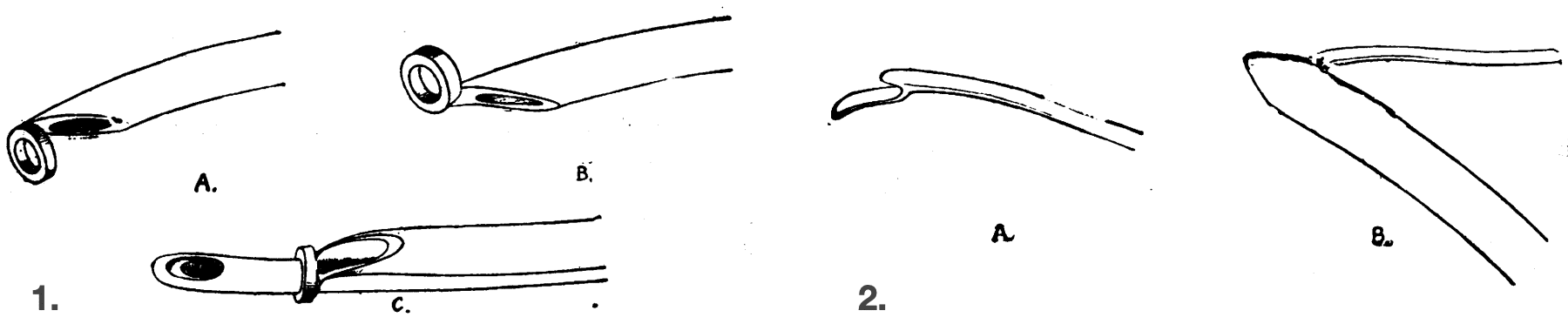
1923 – In Laryngeal intubation in anaesthetics, Rowbotham described direct-vision passage of a soft rubber tracheal tube as an alternative or adjunct to intratracheal insufflation.
The distal end of the tube was shaped to facilitate nasal passage and provided with an opening into which a specially designed forked directing rod could engage. Under direct laryngoscopic vision, the rod guided the tube through the vocal cords and was then withdrawn while the tube was advanced into the trachea.
Rowbotham stated this provided three principal advantages for oral and maxillofacial surgery. 1) protection of the lower airway from blood and mucus, 2) unobstructed administration of gas and oxygen, and 3) the use of a soft rubber tube that minimised trauma to the vocal cords.
Rowbotham favoured engagement of the catheter or tube with a rod whilst Magill developed angled forceps that could grasp and direct the tube while remaining outside the operator’s line of sight.
Basal narcosis and preliminary medication
Rowbotham became an early advocate of basal narcosis, seeking to render patients deeply asleep before transfer to theatre and induction of surgical anaesthesia.
In 1928–1929 he described rectal paraldehyde, alone or combined with morphine, heroin, omnopon or hyoscine. His aim was to abolish pre-operative fear, reduce the quantity of general anaesthetic required and allow patients to pass smoothly into surgical anaesthesia.
Anaesthetic agents, airway devices and ventilation
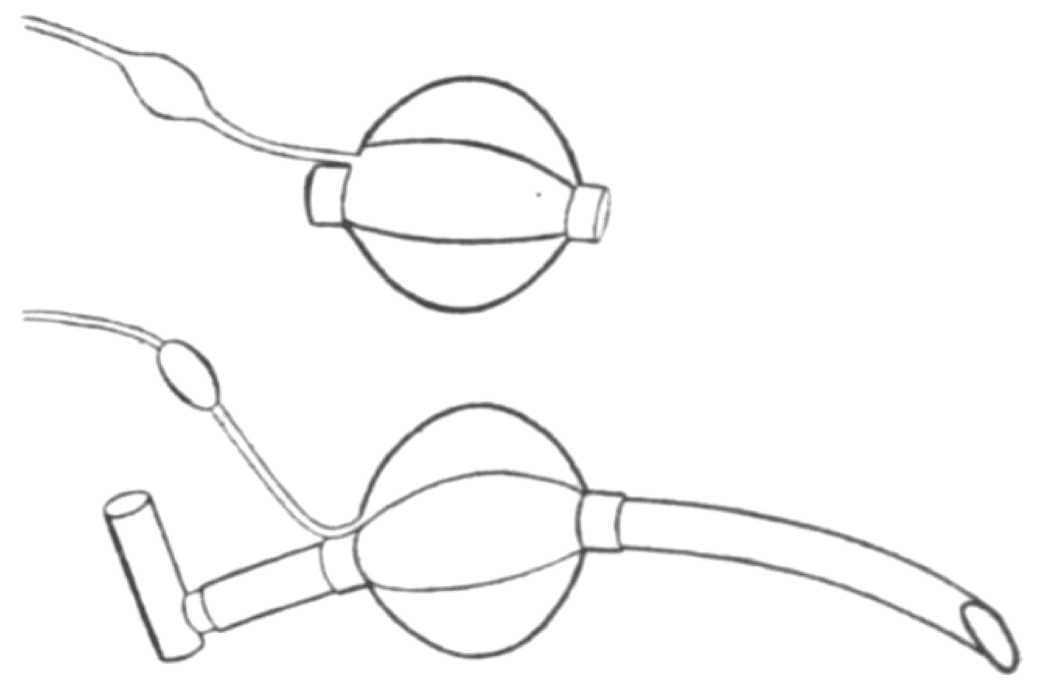
Rowbotham was a technical innovator throughout his career. His apparatus included anaesthetic vaporisers, an introducer for spinal needles, a self-filling syringe, angled local-anaesthetic needles, a laryngeal spray and, in 1944, an inflatable pharyngeal tube. The latter used a pharyngeal balloon to create a seal around an endotracheal tube and confine blood and secretions to the nasopharynx during nasal and sinus surgery.
Major Publications
- Rowbotham S. Intratracheal anaesthesia by the nasal route for operations on the mouth and lips. Br Med J. 1920 Oct 16;2(3120):590-1.
- Rowbotham ES, Magill I. Anæsthetics in the Plastic Surgery of the Face and Jaws. Proc R Soc Med. 1921;14(Sect Anaesth):17-27.
- Rowbotham Endotracheal Apparatus. 1921
- Rowbotham ES. Case of Cardiac Arrest under an Anæsthetic followed by Heart Massage. Proc R Soc Med. 1923;16(Sect Anaesth):5-7.
- Rowbotham S. Laryngeal intubation in anaesthetics. Br Med J. 1923 Jun 30;1(3261):1090-1.
- Rowbotham S. Intratracheal Anaesthesia. Lancet. 1926;208(5377):583–584.
- Rowbotham ES. Preliminary Medication in Anæsthetics. Proc R Soc Med. 1929 Mar;22(5):653-8
- Rowbotham S, Chester A, Phillips G et al. Cyclopropane anæsthesia. The Lancet, 1935; 226(5855): 1110-1113
- Rowbotham S. Introducer for spinal needles. Lancet 1942; 239(6199): 734.
- Rowbotham ES. An inflatable pharyngeal tube. Lancet 1944; 2: 15–16.
- Thornton HL, Rowbotham S. Anesthesia in a maxillo-facial surgical unit with the British Liberation Army. Anesthesiology. 1945 Nov;6:580-96.
- Rowbotham ES. Anaesthesia in Operations for Goitre. Oxford: Blackwell, 1945.
- Prescott F, Organe G, Rowbotham S. Tubocurarine chloride as an adjunct to anaesthesia; report on 180 cases. Lancet. 1946 Jul 20;2(6412):80-4
- Rowbotham S. A hundred years of anaesthesia. Anaesthesia. 1947 Jul;2(3):86-92.
- Rowbotham S. Magill, Ivan W. Br J Anaesth. 1951 Jan;23(1):49-55.
References
Biography
- Condon HA, Gilchrist E. Stanley Rowbotham. Twentieth century pioneer anaesthetist. Anaesthesia. 1986 Jan;41(1):46-52.
- Dr Edgar Stanley Rowbotham BA MD FFARCS DA. RCoA
Eponym
the person behind the name

MB ChB, Edinburgh Medical school. F1/F2 in Bath, now in Australia, Perth preparing for a career in Emergency medicine. I have an interest in wilderness medicine and women’s health, but haven’t fully found my niche interest yet.

BA MA (Oxon) MBChB (Edin) FACEM FFSEM. Emergency physician, Sir Charles Gairdner Hospital. Passion for rugby, medical history, medical education, and asynchronous learning #FOAMed evangelist. Editor-in-Chief and Webmaster of Life in the Fast lane, LITFL | On Call 4e| Eponyms | Books | Horology |