

Abdominal Aortic Aneurysm Surveillance Chart
Abdominal Aortic Aneurysm (AAA) Surveillance Chart. All incidentally found aortic aneurysms should be referred to a vascular surgeon if the patient is a potential candidate for surgery.

Abdominal Aortic Aneurysm (AAA) Surveillance Chart. All incidentally found aortic aneurysms should be referred to a vascular surgeon if the patient is a potential candidate for surgery.
Acute Aortic Dissection (AAD) is uncommon but highly lethal, requiring prompt recognition and management. Due to its non-specific clinical presentation, a high index of suspicion is necessary, particularly in high-risk patients.
Adolphe Pinard (1844–1934) was a French obstetrician. Inventor of the Pinard horn (fetoscope) and Pinard Obstetric Palpation
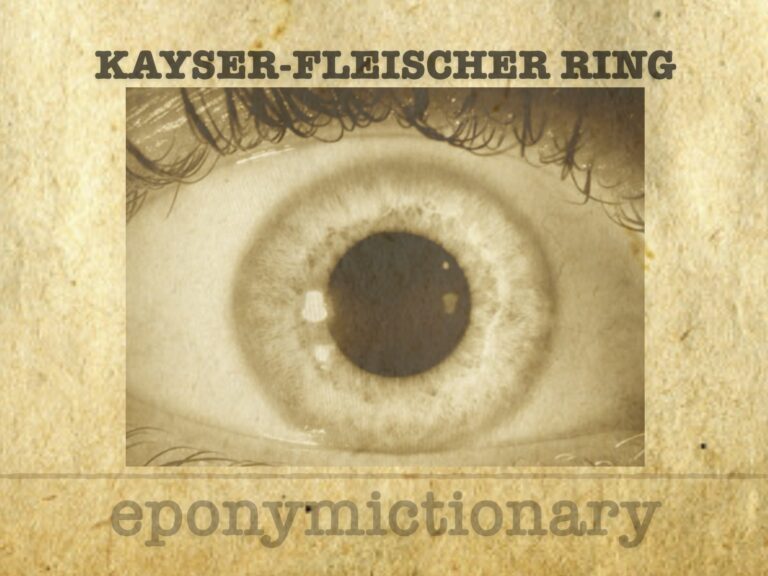
corneal ring at the level of Descemet’s membrane, caused by copper deposition in the cornea. It is a cardinal sign of Wilson’s disease (hepatolenticular degeneration)
The Aortic Dissection Detection Risk Score (ADD-RS) is a validated scoring system that helps stratify low to moderate risk patients who may have an aortic dissection.

Alfred Jean Fournier (1832-1914) was a French Dermatovereologist specialising in congenital syphillis, stressing the importance of syphilis as a cause of degenerative diseases and parasyphilitic conditions.
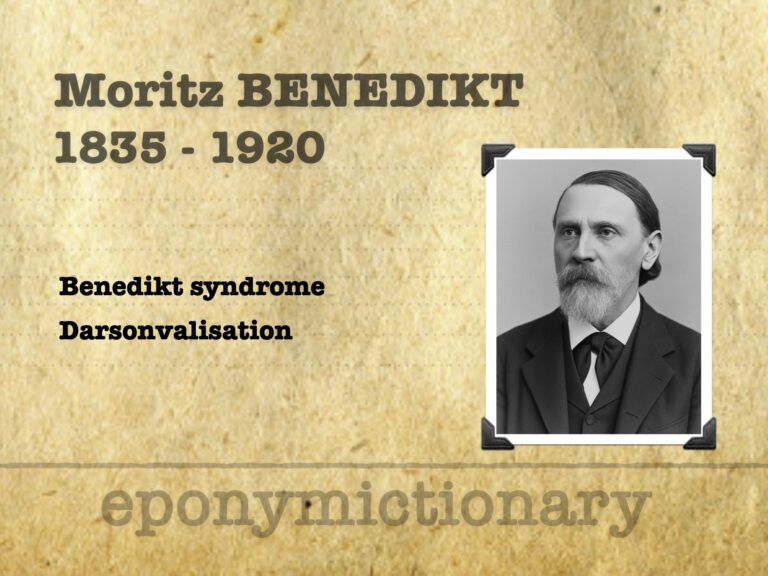
Moritz Benedikt (1835-1920) was an Austro-Hungarian neurologist. Benedikt syndrome (1889); the criminal mind; dowsing and Darsonvalisation
Superficial venous thrombosis is rarely life-threatening. It carries a low risk of pulmonary embolism(1%), with concurrent DVT(~25%).

Parry-Romberg syndrome: progressive facial hemiatrophy usually involving the soft tissues of one side of the face. Parry (1825) Romberg (1846)

Emergency procedure, instructions and discussion: Ocular foreign body removal. Exactly what it says on the tin
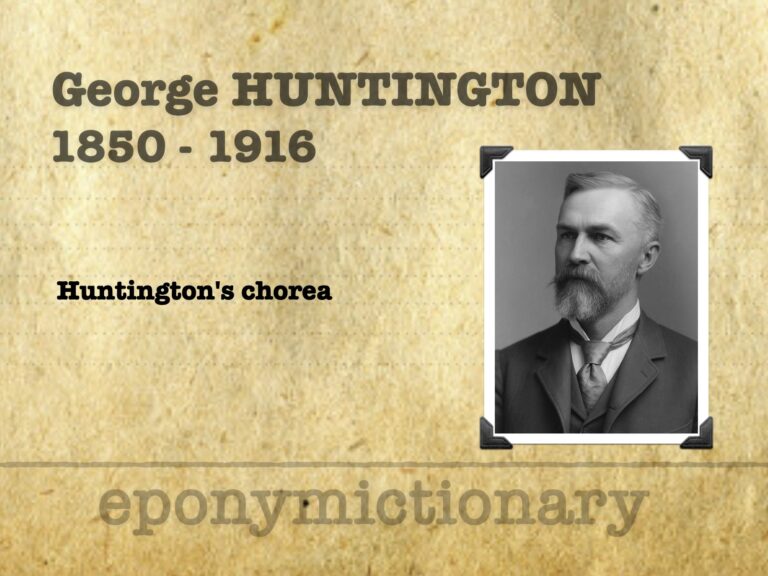
George Huntington (1850-1916) was an was an American physician. Described Huntington's disease (1872) at age 22 based on his family
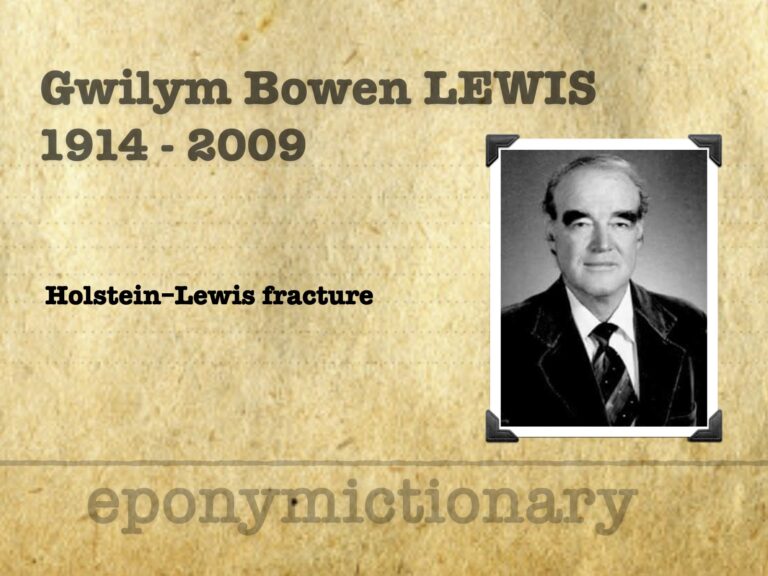
Gwilym B. Lewis (1914-2009) American Orthopedic Surgeon. With Arthur Holstein - eponymously affiliated with the Holstein–Lewis fracture (1963)