


Silvio Rolando
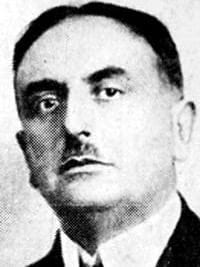
Angelo Silvio Rolando da Carasco (1873-1949) was an Italian general surgeon
Silvio Rolando, was an Italian surgeon based in Genoa whose career spanned general surgery, trauma and the emerging specialty of urology. After graduating with honours from the University of Genoa, Rolando worked at the Ospedale di Pammatone and later the Ospedali Galliera, where he became a senior surgeon and in 1930 was placed in charge of a specialised urological service. His wider work included prostate surgery, renal and urinary tract disease, operative teaching and hospital leadership.
Rolando is best remembered for his 1910 description of a comminuted intra-articular fracture of the base of the first metacarpal, now known as the Rolando fracture. He distinguished the characteristic Y-shaped three-part injury from the simpler Bennett fracture-dislocation and emphasised the importance of radiography for diagnosis.
Rolando is the third Italian surgeon to have a fracture named after him (the Rolando fracture), after with Monteggia and Galeazzi. His medical legacy sits alongside a less well-defined civic and political record during Fascist Italy, including leadership of the Rotary Club of Genoa during the period of the Italo-Ethiopian War and Italian colonial expansion.
Biographical timeline
- Born on May 29, 1873 in Carasco, Genoa.
- 1893–1896 – L.D. in ‘Chirurgia operativa’ e ‘Clinica chirurgica’, University of Genoa; graduated medicine and surgery with honours.
- 1896–1907 – Assistant surgeon, Ospedale di Pammatone.
- 1907 – Appointed Primario at Pammatone.
- 1910 – Described the three-part Y-shaped first-metacarpal base fracture bearing his name.
- 1921 – Appointed Primario Chirurgo, Ospedali Galliera, Genoa.
- 1928 – Published Cento prostatectomie.
- 1930 – Appointed director of the newly established specialised urological service at Galliera.
- 1935–1937 – President, Rotary Club of Genoa.
- Died December 16, 1949 in Genoa while still in active hospital service.
Medical Eponyms
Rolando Fracture (1910)
In 1910, Rolando published ‘Fracture de la base du premier metacarpien‘ in which he reported the outcomes and treatment of twelve thumb metacarpal fractures in port workers. Two cases involved the diaphysis and in the other ten, the metacarpal base. Of the base fractures, two were extra-articular fractures; five Bennett fractures; and three were Y pattern intra-articular fractures.
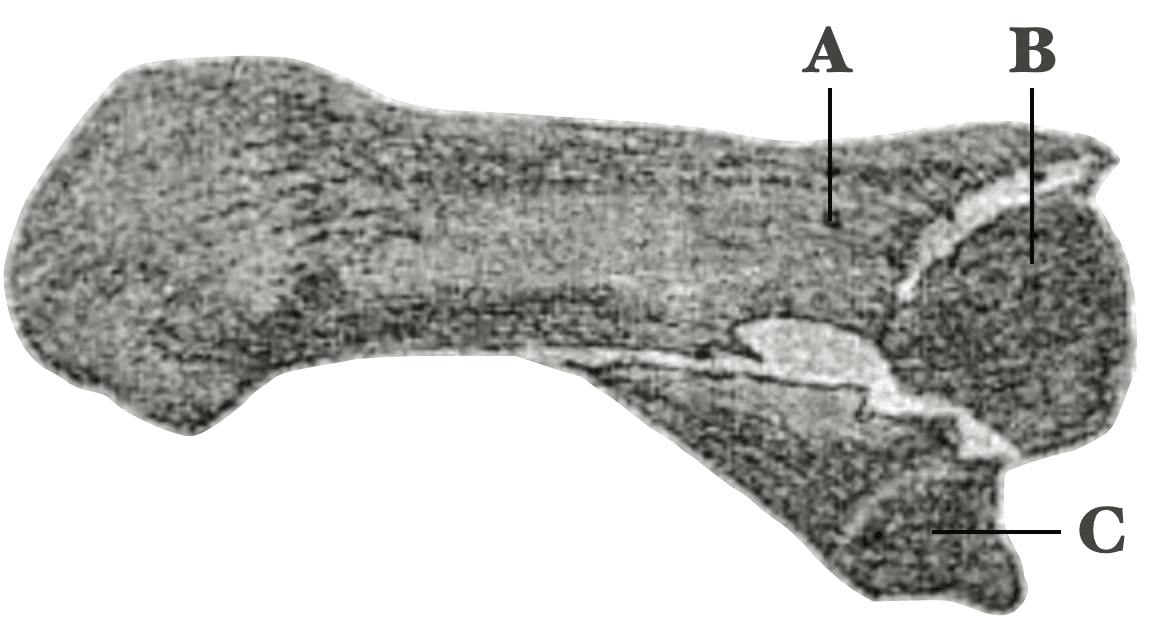
Rolando distinguished the injury from the simpler fracture-dislocation described by Bennett and emphasised the importance of radiography for diagnosis.
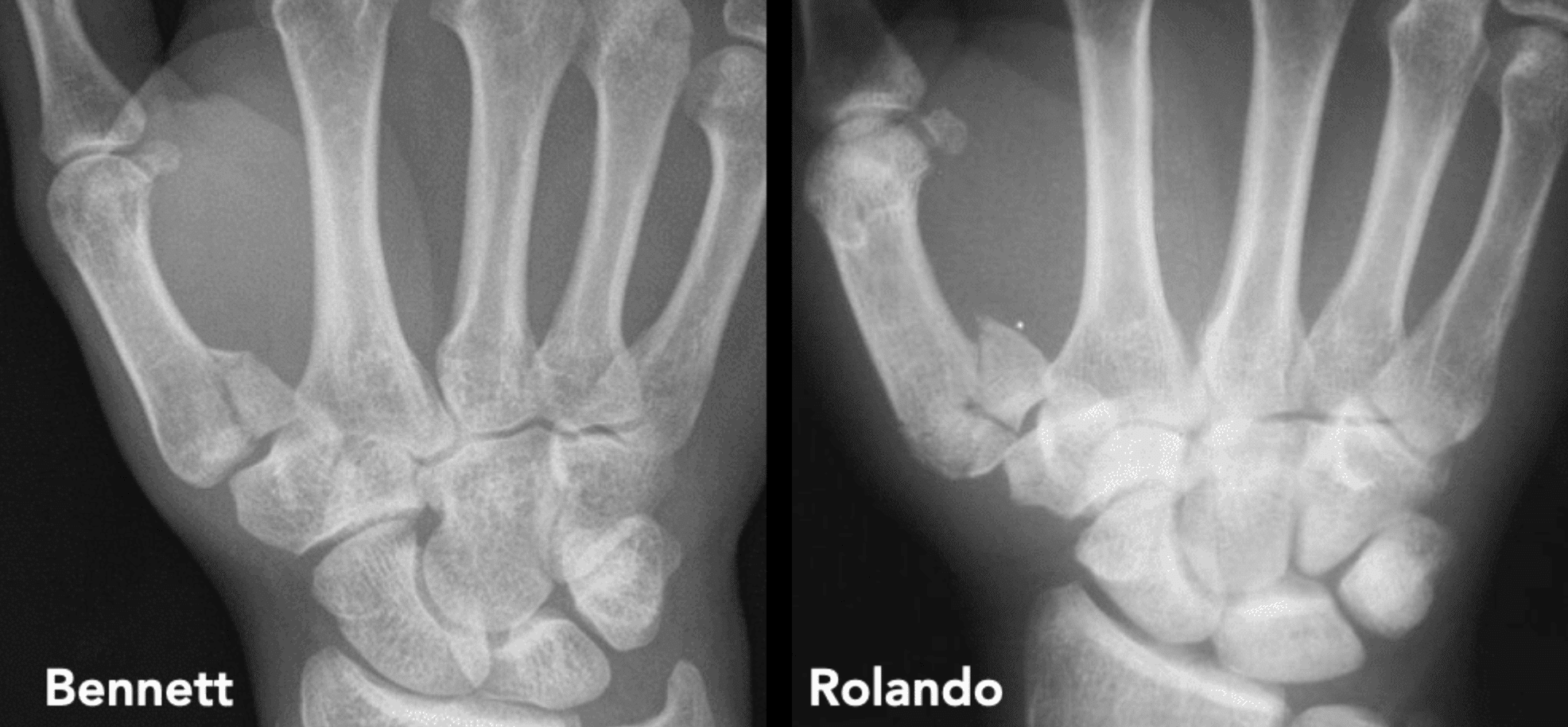

Left: Bennett fracture, a two-part intra-articular fracture-dislocation.
Right: Rolando fracture, a comminuted intra-articular fracture with three or more fragments, classically forming a Y- or T-shaped pattern.
Key medical contributions
Foreign-body localisation and wartime surgery
During the First World War Rolando helped introduce electrovibratory localisation of metallic foreign bodies into Italian military surgery. After training in Bordeaux in 1916, he organised a mobile Autoambulanza-Elettrovibratore supported by the Genoa Red Cross. The apparatus caused ferromagnetic projectiles or shell fragments to vibrate within the tissues, allowing their position to be identified by palpation and facilitating surgical removal. As a medical major attached to the Third Army, Rolando directed the mobile unit for a period and demonstrated the method in field hospitals.
Genitourinary and prostatic surgery
Rolando’s principal career interest became genitourinary surgery. At the Ospedali Galliera he developed a substantial practice in renal, bladder and prostatic disease. His urological caseload included nephrectomy, nephropexy, cystotomy for calculi, prostatectomy and vesicovaginal fistula repair
1928 – Published Cento prostratectomie (“One hundred prostatectomies”), documenting his experience with operative treatment of prostatic disease.
1930 – Rolando was entrusted with the hospital’s newly organised specialised urological service. His work reflects the transition of urology from a component of general surgery into a distinct surgical specialty.
Rolando combined clinical surgery with university teaching and professional leadership throughout his career in Genoa. From Pammatone to the Ospedali Galliera he worked across general and genitourinary surgery, taught operative surgery and published in Italian and French on a broad range of surgical conditions.
Controversies
Rolando held prominent civic positions during Fascist rule in Italy. He served as president of the Rotary Club of Genoa from 1935 to 1937. This overlapped with the Italian invasion and conquest of Ethiopia, international sanctions and the proclamation of the Italian Empire. Contemporary Rotary material records his involvement in public discussion of Italian foreign and colonial policy.
Name note: Some university records give Angelo Silvio Rolando da Carasco. Here da Carasco denotes his place of origin rather than an additional surname. Contemporary professional records identify him as Angelo Silvio Rolando, son of Emanuele Rolando and Luigia Bianchetti, born in Carasco on 29 May 1873.
Major Publications
- Rolando S. Spora un caso di criptorchidia inguinale bilaterale. Anatomischer Anzeiger 1904;220-222.
- Rolando S. Fracture de la base du premier metacarpien et principalement sur une variété non encore décrite. La Presse Médicale 1910; 33: 303–304. [Translated Meals RA. Fracture of the base of the first metacarpal and a variation that has not yet been described. Clin Orthop Relat Res. 2006 Apr;445:15-8]
- Rolando S. Cento prostratectomie [One hundred prostratectomies] Torino : Minerva, 1928.
References
Biography
- Personal correspondence: Dr Micaela Pagliano, Dirigente Ufficio Relazioni con il Pubblico. E.O. Ospedali Galliera. Translation: Luigi Boero e Francesca Ambrosini – 2018
- Personal correspondence: Andrea Balba, Ordine provinciale dei Medici Chirurghi e degli Odontoiatri – 2018
- Mostofi SB. Silvio Rolando. Who’s Who in Orthopedics. 2005: 289
- Bibliography. Rolando, Silvio. WorldCat Identities
Eponymous terms
- Mahoney M, Marsland D, Garagnani L, Sauvé P. Rolando and his fracture. Trauma. 2014:17(1);24-28
- Spina N. Silvio Rolando e i camalli del porto: nascita e battesimo di una frattura! Giornale Italiano di Ortopedia e Traumatologia, 2019;45:173-181
- Cadogan M. Rolando fracture. Eponym A Day. Instagram
Eponym
the person behind the name
MBChB University of Manchester, PG Dip (SEM) University of Bath. Keen interest in Sport and Exercise Medicine. Currently working in emergency medicine in Perth, WA and intend to train as an ACSEP Registrar.

BA MA (Oxon) MBChB (Edin) FACEM FFSEM. Emergency physician, Sir Charles Gairdner Hospital. Passion for rugby, medical history, medical education, and asynchronous learning #FOAMed evangelist. Editor-in-Chief and Webmaster of Life in the Fast lane, LITFL | On Call 4e| Eponyms | Books | Horology |