
Flexible Nasopharyngolaryngoscopy
Flexible nasoendoscopy (FNE) uses in critical care, indications and contra-indications, technique, anatomy and key findings, and useful videos for learning.


Flexible nasoendoscopy (FNE) uses in critical care, indications and contra-indications, technique, anatomy and key findings, and useful videos for learning.
Bronchoscopic foreign body removal including: indications, assessment and planning, flexible versus rigid bronchoscopy, retrieval tools and techniques, and critical care scenarios.
Airway foreign bodies (AFBs) are potentially life‑threatening. This CCC post considers causes/ risk factors, pathophysiology, complications, clinical features, investigations, and management.

Sir Morell Mackenzie (1837–1892), pioneer of laryngology, founder of the Throat Hospital, author of the ‘laryngologist’s Bible’, and royal physician
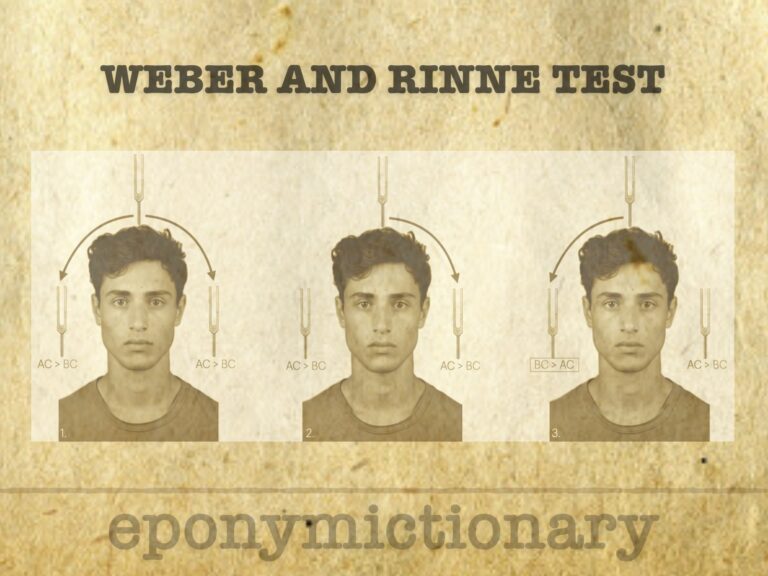
The Weber and Rinne tuning fork tests differentiate conductive from sensorineural hearing loss using the principles of bone and air conduction.
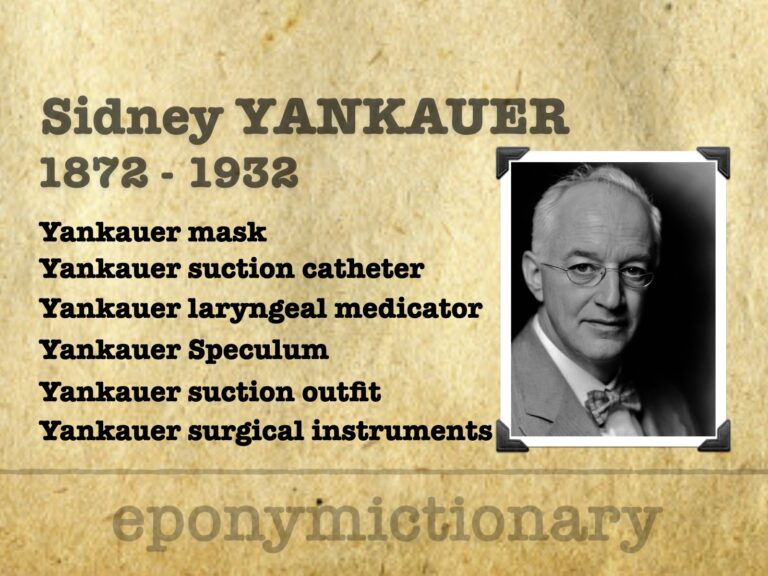
Sidney Yankauer (1872–1932), American ENT surgeon and inventor of the Yankauer suction catheter, pioneer in bronchoscopy and surgical airway care
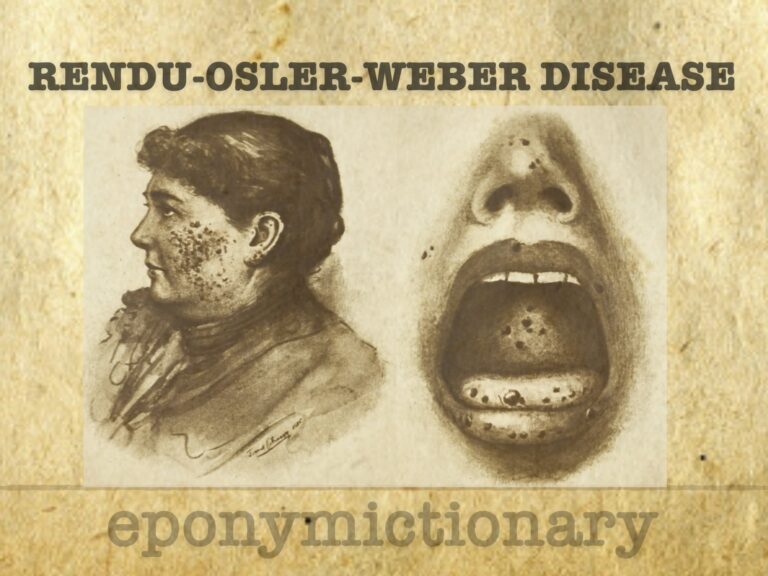
Rendu-Osler-Weber disease (aka Hereditary haemorrhagic telangiectasia (HHT)) is an autosomal dominant disorder characterised by epistaxis, cutaneous telangiectasia, and visceral arteriovenous malformations (AVMs).

Heinrich Adolf Rinne (1819-1868) was a German otologist best remembered for the eponymous Rinne test — a fundamental clinical tool in the assessment of hearing loss.

Margaret Dix (1911–1991), British neuro-otologist who co-developed the Dix–Hallpike test, reshaped diagnosis of vertigo and advanced vestibular science

Charles S. Hallpike (1900–1979), British neuro-otologist, co-devised the Dix–Hallpike manoeuvre, clarified Menière’s disease pathology, and pioneered vestibular physiology.

Ernst Heinrich Weber (1795-1878) was a was a German anatomist and physiologist. Weber law and Weber test for hearing assessment
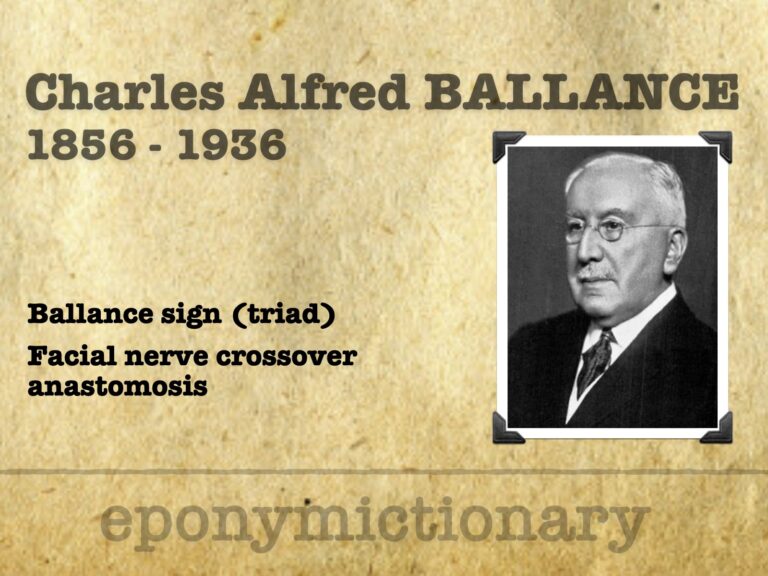
Sir Charles Ballance (1856–1936), pioneer of neurosurgery and otology, first performed facial nerve crossover anastomosis in 1895—an enduring milestone.