

Corneal foreign bodies
Corneal foreign bodies present with pain, watering, and irritation. Remove under anaesthesia, exclude penetrating injury, and arrange follow-up.

Corneal foreign bodies present with pain, watering, and irritation. Remove under anaesthesia, exclude penetrating injury, and arrange follow-up.
Bacterial conjunctivitis is common and treatable, but screen for serious infections like gonococcus, meningococcus, and trachoma in high-risk patients.
Acute loss of vision is an ophthalmic emergency. Assess urgently. Persistent or unexplained cases require immediate specialist ophthalmology input.
Acute non-traumatic loss of vision is an ophthalmic emergency. All patients require urgent assessment, and persistent deficits mandate immediate ophthalmology referral.
Chemical eye injuries are emergencies. Immediate irrigation, category 2 triage, and ophthalmology input are critical to preserve vision and minimise damage.
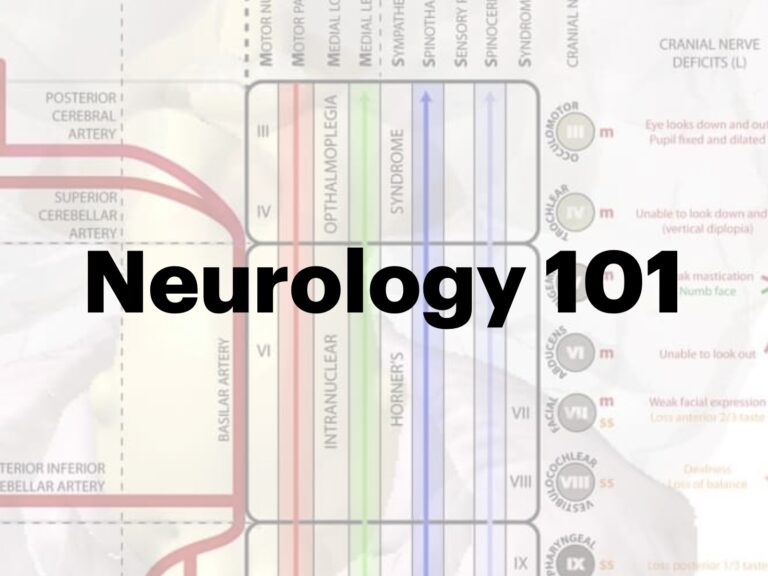
Neuro 101: Neurological Examination. The eight steps, mental status, motor, sensory, reflex, cerebellar examinations
Echocardiography and valve views. Overview of valve disease and parasternal, apical and subcostal valve views with the echo probe
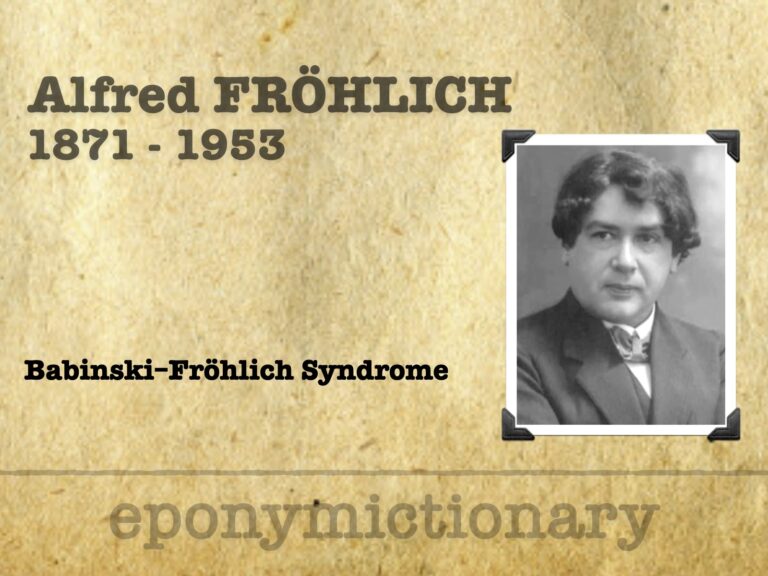
Alfred Fröhlich (1871-1953) Austrian neurologist and pharmacologist; pioneer of neuroendocrinology who described adiposogenital dystrophy, linking pituitary lesions to obesity and hypogonadism.
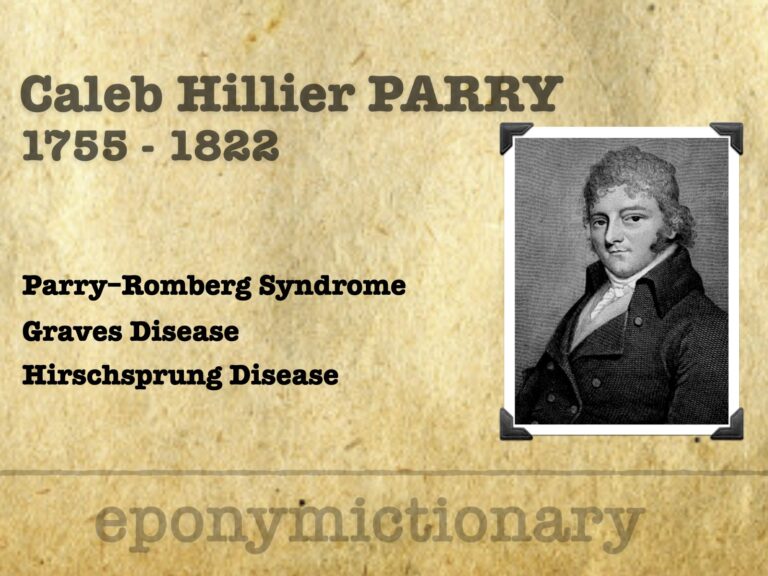
Caleb Hillier Parry 1755–1822 English physician described Hemifacial atrophy; angina pectoris; Hirschprung disease; Graves disease in 1825
Wernicke encephalopathy is an acute, reversible condition due to thiamine deficiency. Prompt treatment prevents progression to Korsakoff’s psychosis
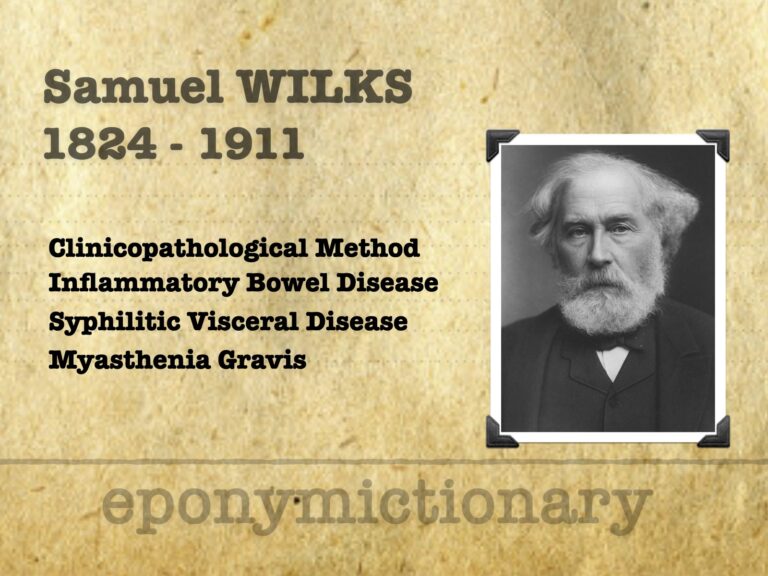
Sir Samuel Wilks (1824–1911), British physician, pioneered clinicopathological correlation, defined Hodgkin’s disease, and led Guy’s Hospital and RCP.
Emergency procedure, instructions and discussion: Tracheostomy emergencies for patients in respiratory distress or following accidental decannulation