

Second Cranial Nerve Lesions
Overview of optic nerve (CN II) lesions, visual field defects, and key investigations for diagnosing optic pathway pathology

Overview of optic nerve (CN II) lesions, visual field defects, and key investigations for diagnosing optic pathway pathology
Overview of olfactory nerve (CN I) lesions, clinical assessment of anosmia, differential diagnoses, and investigation strategies.
Quick reference guide to key muscle myotomes, muscle power grading, and reflex assessment in clinical neurological examination.
Priapism is a persistent, painful erection not related to sexual stimulation, lasting at least 2–4 hours. It is classified into Non-ischemic (high flow, arterial): and Ischemic (low flow, veno-occlusive)
Essential tremor: causes, clinical features, classification, differential diagnosis, investigations, and management including pharmacotherapy and surgery
Anti-NMDA receptor encephalitis: causes, clinical features, phases, diagnosis via CSF antibodies, and management including steroids, IVIG, and tumour resection
Cerebral venous thrombosis: causes, clinical features, complications, investigations, imaging, and management including anticoagulation and supportive care
Central Pontine Myelinolysis: a rare, often iatrogenic demyelinating condition caused by rapid correction of hyponatraemia. Covers clinical features, risk factors, and management.
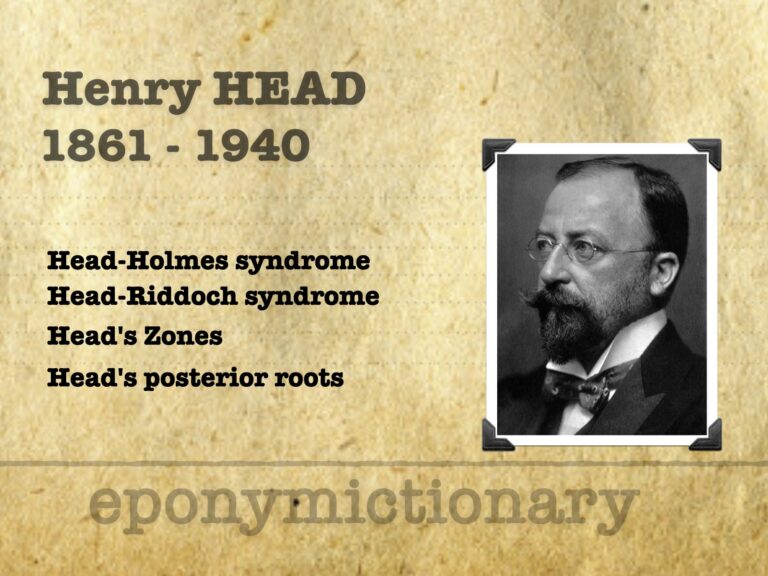
Sir Henry Head (1861-1940) was an English neurologist. Peripheral sensory dermatomes in man Head's zones (1893-1896)
Epididymo-orchitis is inflammation of the epididymis and/or testis, usually due to infection. Most commonly from a urinary tract infection but may also be as a result of a sexually transmitted infection.
Overview of the AVPU scale: a simple, rapid tool to assess level of consciousness. Covers application, clinical utility, and comparison with the Glasgow Coma Scale
Overview of Autonomic Dysreflexia: causes, symptoms, complications, triggers, diagnosis, and management in patients with spinal cord injury.