


Airway Glossary
The LITFL Airway Glossary provides a common language for describing video laryngoscopy, airway anatomy, equipment, procedural techniques and performance errors. Terms are linked to relevant airway cases and expanded as the video library develops.
Use the search table for keywords and the hyperlink to find the section on this page for further details
| Category | Term | Definition | ||||||
|---|---|---|---|---|---|---|---|---|
| Anatomy | Vallecula | Depression between the base of the tongue and the epiglottis. | Identify the midline vallecula before applying lift. Incomplete, lateral or lost seating can impair glottic exposure. | Median glossoepiglottic fold; hyoepiglottic ligament; vallecular engagement | Failure to engage midline; not fully seated; lost seating; too much force; inadequate lifting force | Weingart et al. 2023; doi:10.1016/j.ajem.2023.08.035 | vallecula; valleculoscopy; blade seating; Mac blade | |
| Technique | Hyperangulated video laryngoscopy | Video laryngoscopy using a more acutely curved blade that provides an indirect glottic view and requires technique-specific microskills. | Blade geometry and indirect viewing alter insertion, vallecular engagement and especially tube delivery with a shaped rigid stylet. | Hyperangulated blade; rigid stylet; video laryngoscopy | Bracey HAVL taxonomy (20 performance errors) | Bracey et al. 2026; doi:10.1016/j.ajem.2025.12.041 | HAVL; hyperangulated; hyper-angulated; GlideScope | |
| Performance error | Failure to engage midline of vallecula | Blade tip fails to engage the median glossoepiglottic fold, resulting in inadequate epiglottic translation. | Assess whether the blade is centred in the vallecula before increasing lifting force. | Median glossoepiglottic fold; vallecula; epiglottis | Failure to engage midline of vallecula | Weingart et al. 2023; Bracey et al. 2026 | failure engage midline; off centre vallecula; MGEF | |
| Anatomical variant | Omega epiglottis | Epiglottis with curled lateral margins producing an omega (Ω)-shaped appearance. | May narrow the visible laryngeal inlet or alter the approach to vallecular engagement. | Epiglottis; floppy epiglottis; anatomical variant | LITFL Airway Glossary draft | omega epiglottis; omega-shaped epiglottis; curled epiglottis | ||
| Technique | Standard geometry video laryngoscopy | Video laryngoscopy using a Macintosh-like blade geometry that can support screen-guided laryngoscopy and, in some devices, direct laryngoscopy. | Uses a distinct set of microskills centred on structure recognition, vallecular engagement and device delivery. | Video laryngoscopy; Macintosh blade; bougie; direct laryngoscopy | Weingart SGVL taxonomy (13 performance errors) | Weingart et al. 2023; doi:10.1016/j.ajem.2023.08.035 | SGVL; standard geometry VL; Macintosh video laryngoscopy; video Mac | |
| Anatomy | Arytenoid cartilage | Paired posterior laryngeal cartilages forming part of the posterior glottic framework. | Visible posterior landmarks around the glottic inlet; the endotracheal tube may impinge on an arytenoid during delivery. | Glottis; vocal cords; posterior impingement | Tube delivery issues | Weingart et al. 2023; doi:10.1016/j.ajem.2023.08.035 | arytenoid; arytenoids; posterior glottis; tube hang-up | |
| Anatomy | Hyoepiglottic ligament | Ligament connecting the epiglottis to the hyoid bone; tension through this structure contributes to epiglottic elevation during vallecular lift. | Not normally visible directly, but its engagement helps explain why correct midline vallecular seating elevates the epiglottis. | Vallecula; median glossoepiglottic fold; epiglottis | Failure to engage midline of vallecula | LITFL Airway Glossary draft | hyoepiglottic ligament; hyo-epiglottic ligament; vallecular lift | |
| Manoeuvre | BURP manoeuvre | Backward, upward and rightward pressure applied externally to the larynx to alter glottic exposure. | A view-optimisation manoeuvre; distinguish it from generic external laryngeal manipulation. | External laryngeal manipulation; glottic exposure | LITFL Airway Glossary draft | BURP; backward upward rightward pressure; laryngeal pressure, Maneuver | ||
| Technique | Mac-as-Miller | Deliberate use of a curved Macintosh-style blade to directly elevate the epiglottis rather than seating the tip in the vallecula. | May be used intentionally as a rescue manoeuvre; accidental epiglottic override should be distinguished from deliberate technique. | Macintosh blade; Miller blade; epiglottis; vallecula | Overriding the epiglottis (HAVL when not used as rescue) | Weingart et al. 2023; Bracey et al. 2026 | Mac as Miller; Mac-as-Miller; direct epiglottis lift; epiglottic override | |
| View / classification | Cormack-Lehane Grade | Classification system describing glottic view during laryngoscopy (Grades I–IV). | Cormack, Lehance, Cormack-Lehane | |||||
| View / classification | POGO | Percentage of glottic opening [POGO] score | ||||||
| View / classification | Yentis–Lee | |||||||
| Performance error | Missed anatomical structure recognition | Glottic structures are visible to the reviewer but are not recognised by the operator, who does not make an appropriate positional correction or attempt device passage. | Separate failure to recognise visible landmarks from off-midline or overly deep insertion that progresses toward the oesophagus. | Structure recognition; epiglottis; glottis; vallecula | Missed anatomical structure recognition | Weingart et al. 2023 | missed anatomy; structure recognition; unrecognized glottis | |
| Performance error | Overly deep insertion leading to oesophageal visualization | A midline insertion is advanced too rapidly or too far, overrunning glottic structures and reaching the oesophageal view. | Watch for skipped landmarks during advancement and whether withdrawal restores epiglottic or glottic anatomy. | Structure recognition; epiglottis; oesophagus | Overly deep insertion | Weingart et al. 2023 | too deep; overly deep; esophageal visualization; oesophageal visualisation | |
| Performance error | Tube delivery issues | Endotracheal tube passage is delayed or prevented by impingement on laryngeal structures, commonly an arytenoid. | Observe where the tube tip arrests and whether rotation or repositioning relieves the obstruction. | Endotracheal tube; arytenoid cartilage; tube rotation | Tube delivery issues | Weingart et al. 2023 | tube delivery; arytenoid hang-up; ETT impingement | |
| Performance error | Over-rotated insertion (Kovacs Sign) | The glottis occupies more than half of the screen with anterior tracheal structures visible, creating poor geometry for device passage. | A very close glottic image may represent excessive blade rotation or depth rather than an optimal delivery position. | Glottic exposure; blade depth; tube delivery | Over-rotated insertion | Weingart et al. 2023 | Kovacs sign; over rotated; over-rotation; glottis >50% | |
| Performance error | Bougie delivery issue | The bougie cannot be manipulated through the vocal cords or hangs on anterior tracheal rings without effective correction. | Assess bougie tip control, trajectory through the glottis and response to resistance after cord passage. | Bougie; anterior tracheal rings; vocal cords | Bougie delivery issue | Weingart et al. 2023 | bougie issue; bougie delivery; anterior ring hang-up | |
| Performance error | Too much force in vallecula | Excess pressure or over-insertion in the vallecula moves the epiglottis caudally and worsens glottic visualisation. | Recognise an iatrogenically worsened view caused by excessive blade pressure rather than insufficient lift. | Vallecula; epiglottis; blade force | Too much force in vallecula | Weingart et al. 2023; Bracey et al. 2026 | too much force; over insertion vallecula; excessive pressure | |
| Performance error | Not fully seated in vallecula | Blade tip is midline in the vallecula but has not advanced sufficiently to translate the epiglottis. | Look for a centred blade with inadequate forward seating and limited epiglottic elevation. | Vallecula; median glossoepiglottic fold; epiglottis | Not fully seated in vallecula | Weingart et al. 2023; Bracey et al. 2026 | not fully seated; shallow vallecula; incomplete seating | |
| Performance error | Inadequate suction | Tube or bougie delivery is attempted despite inadequate visualisation from secretions, blood or debris and without sufficient suction. | Identify contamination that meaningfully obscures landmarks and whether suction was used before proceeding with device delivery. | Suction; SALAD; blood; emesis; secretions | Inadequate suction | Weingart et al. 2023; Bracey et al. 2026 | inadequate suction; poor suction; secretions; blood; debris | |
| Performance error | Premature camera withdrawal | The laryngoscope is withdrawn before passage of the endotracheal tube through the glottis has been visually confirmed. | Maintain the camera view until tube passage is secure, including during bougie or stylet removal when relevant. | Tube passage; vocal cords; bougie; stylet | Premature withdrawal of camera | Weingart et al. 2023; Bracey et al. 2026 | camera withdrawal; scope removed early; premature blade withdrawal | |
| Performance error | Lost vallecular seating | Vallecular engagement is lost during the attempt, causing deterioration or loss of glottic visualisation. | Observe whether an initially good view worsens when the blade tip slips out of its effective vallecular position. | Vallecula; blade seating; glottic exposure | Lost seating in vallecula | Weingart et al. 2023 | lost seating; lost vallecula; blade slips | |
| Performance error | Inadequate lifting force | Blade tip is appropriately engaging the vallecula but insufficient lift produces inadequate glottic exposure. | Look for correct vallecular seating with limited epiglottic translation or an unnecessarily restricted glottic view. | Vallecula; lifting force; glottic exposure | Inadequate lifting force | Weingart et al. 2023; Bracey et al. 2026 | poor lift; inadequate lift; lifting force | |
| Performance error | Insertion off midline | Blade tip is inserted lateral to the glottic structures and further advancement leads toward oesophageal visualisation. | Track whether the operator maintains midline orientation during blade advancement and recognises lateral landmarks before over-advancing. | Midline insertion; structure recognition; oesophagus | Insertion off midline | Weingart et al. 2023; doi:10.1016/j.ajem.2023.08.035 | off midline; lateral insertion; esophageal visualization; oesophageal visualisation | |
| Manoeuvre | Tube rotation | Rotation of the endotracheal tube to redirect the tip and relieve impingement during passage. | Useful when the tube tip catches on arytenoid cartilage or other laryngeal structures. | Posterior impingement; arytenoid cartilage; tube delivery | Tube delivery issues | Airway Case 001; Weingart et al. 2023 | tube rotation; rotate ETT; 90 degree rotation; arytenoid hang-up | |
| Manoeuvre | External laryngeal manipulation | External manipulation of the larynx to improve glottic exposure or tube-delivery geometry. | Assess whether external manipulation improves the view or facilitates device passage without destabilising blade position. | Glottic exposure; BURP manoeuvre; laryngoscopy | Inadequate glottic exposure | LITFL Airway Glossary draft | ELM; external laryngeal manipulation; external manipulation | |
| Manoeuvre | SALAD | Suction-Assisted Laryngoscopy and Airway Decontamination: a technique for managing heavily contaminated airways during laryngoscopy. | Suction may lead blade insertion and can be positioned to provide ongoing clearance while laryngoscopy and tube delivery proceed. | Suction; emesis; blood; contaminated airway | Inadequate suction | DuCanto, Serrano & Thompson 2017; Airway Case 001 | SALAD; suction assisted laryngoscopy airway decontamination; contaminated airway | |
| Equipment | Rigid stylet (e.g., GlideRite) | Pre-shaped rigid stylet used to match the curvature of a hyperangulated laryngoscope blade. | Tube delivery depends on controlled rotation, release from anterior-ring hang-up and stable tube position during stylet withdrawal. | Hyperangulated video laryngoscopy; hyperangulated blade; endotracheal tube | Translation not rotation; anterior tracheal ring hang-up; dislodged ETT during stylet removal | Bracey et al. 2026 | rigid stylet; GlideRite; hyperangulated stylet; shaped stylet | |
| Equipment | Stylet | Rigid or semi-rigid insert placed inside an endotracheal tube to shape and control it during intubation. | The chosen curvature should match the laryngoscopy technique and permit controlled delivery through the glottis. | Rigid stylet; endotracheal tube; hyperangulated video laryngoscopy | Device delivery errors | LITFL Airway Glossary draft | stylet; ETT stylet; tube stylet | |
| Equipment | Bougie | Tracheal introducer passed through the glottis to guide subsequent endotracheal tube placement. | Observe control of the tip, passage through the cords and correction of anterior tracheal-ring hold-up before railroading the tube. | Endotracheal tube; standard-geometry video laryngoscopy; coudé tip | Bougie delivery issue; tube delivery issues | Weingart et al. 2023 | bougie; tracheal introducer; gum elastic bougie; introducer | |
| Equipment | Miller blade | Straight laryngoscope blade commonly used to lift the epiglottis directly. | The blade tip is advanced beneath the epiglottis rather than seated in the vallecula. | Epiglottis; Mac-as-Miller; straight blade | LITFL Airway Glossary draft | Miller; Miller blade; straight blade | ||
| Equipment | Macintosh blade | Curved laryngoscope blade designed to seat in the vallecula and indirectly elevate the epiglottis. | Correct midline seating and lifting direction are central to efficient glottic exposure. | Vallecula; median glossoepiglottic fold; Mac-as-Miller | Vallecular manipulation errors | LITFL Airway Glossary draft | Macintosh; Mac blade; curved blade | |
| Equipment | Hyperangulated blade | Sharply curved video laryngoscope blade designed for an indirect camera view. | Improves glottic visualisation without requiring direct line-of-sight alignment, but tube delivery usually requires a matching shaped stylet. | Hyperangulated video laryngoscopy; rigid stylet | HAVL performance errors | Bracey et al. 2026; doi:10.1016/j.ajem.2025.12.041 | hyperangulated blade; hyper-angulated blade; GlideScope blade | |
| Equipment | Standard geometry blade | Video laryngoscope blade with Macintosh-like geometry. | Allows a familiar vallecular approach and may permit both direct and video-assisted viewing depending on the device. | Standard-geometry video laryngoscopy; Macintosh blade | SGVL performance errors | Weingart et al. 2023 | standard geometry blade; SG blade; Macintosh video blade | |
| Technique | First pass success | Successful tracheal intubation on the first intubation attempt. | Record separately from technical performance: a first-pass success may still contain correctable performance errors. | Attempt; performance error; procedural outcome | Weingart et al. 2023; Bracey et al. 2026 | FPS; first pass success; first-pass success | ||
| Technique | Video laryngoscopy (VL) | Laryngoscopy using a camera-equipped blade that displays airway structures on a screen. | Provides a recordable view that supports procedural teaching, review and quality improvement. | Standard-geometry video laryngoscopy; hyperangulated video laryngoscopy | Weingart et al. 2023; Bracey et al. 2026 | VL; video laryngoscopy; videolaryngoscopy | ||
| Technique | Direct laryngoscopy (DL) | Laryngoscopy in which the operator directly visualises the larynx through the mouth rather than relying on a camera screen. | Relevant when a video laryngoscope with standard geometry is used for direct viewing or when direct and screen views are compared. | Video laryngoscopy; standard-geometry video laryngoscopy | LITFL Airway Glossary draft | DL; direct laryngoscopy; direct view | ||
| Complication | Posterior impingement | ETT tip catches on arytenoids or posterior structures. | ||||||
| Anatomy | Anterior airway | Glottis positioned more anteriorly requiring steep blade angle. | ||||||
| Anatomy | Vocal cords | Paired vocal folds forming the margins of the glottic opening. | Visualisation of the folds defines the glottic inlet and allows confirmation that the bougie or tube passes between them. | Glottis; arytenoid cartilage; subglottis | Missed anatomical structure recognition; tube delivery issues; premature withdrawal of camera | LITFL Airway Glossary draft | vocal cords; vocal folds; cords | |
| Anatomy | Subglottis | Airway immediately below the vocal folds, extending toward the cricoid cartilage. | Visual passage of the tube beyond the cords confirms progression into the subglottic airway before camera withdrawal. | Glottis; vocal cords; cricoid cartilage | Premature withdrawal of camera | LITFL Airway Glossary draft | subglottis; subglottic airway; below cords | |
| Anatomy | Glottis | Opening between the vocal folds leading into the trachea. | The target for bougie or endotracheal tube passage; assess both view and delivery geometry rather than view alone. | Vocal cords; arytenoid cartilage; subglottis | Missed anatomical structure recognition; device delivery errors | LITFL Airway Glossary draft | glottis; glottic opening; glottic inlet | |
| Anatomy | Median glossoepiglottic fold | Midline mucosal fold connecting the tongue base to the epiglottis; a target for midline vallecular blade placement. | Engaging the midline fold helps centre the blade in the vallecula and translate the epiglottis during Macintosh-style laryngoscopy. | Vallecula; hyoepiglottic ligament; vallecular engagement | Failure to engage midline of vallecula | Weingart et al. 2023; doi:10.1016/j.ajem.2023.08.035 | median glossoepiglottic fold; median vallecular fold; MGEF; vallecula midline | |
| Anatomy | Epiglottis | Leaf-shaped supraglottic cartilage that guards the laryngeal inlet and is elevated during laryngoscopy. | A key orientation landmark. Identify the epiglottis before advancing to the vallecula or deliberately lifting it directly. | Vallecula; hyoepiglottic ligament; omega-shaped epiglottis; floppy epiglottis | Missed anatomical structure recognition; overly deep insertion | LITFL Airway Glossary draft | epiglottis; epiglottoscopy; supraglottis | |
| Anatomical variant | Floppy epiglottis | Epiglottis that prolapses posteriorly and may obscure the laryngeal inlet. | May require altered blade positioning or deliberate direct elevation when vallecular lifting does not expose the glottis. | Epiglottis; Mac-as-Miller; Miller blade | Missed anatomical structure recognition | LITFL Airway Glossary draft | floppy epiglottis; prolapsing epiglottis | |
| Airway condition / video finding | Foreign body | Material within the upper airway that may obstruct airflow, obscure landmarks or impede blade and device passage. | Identify location and relationship to the laryngeal inlet before advancing the blade or tube. | Airway obstruction; suction; removal device | Missed anatomical structure recognition | LITFL Airway Glossary draft | foreign body; FB; airway obstruction; object | |
| Airway condition / video finding | Airway oedema | Swelling of upper-airway or laryngeal tissues that may distort normal landmarks and narrow the glottic inlet. | Expect altered anatomy, reduced working space and potentially more difficult structure recognition or device passage. | Epiglottis; glottis; anatomical distortion | Missed anatomical structure recognition; tube delivery issues | LITFL Airway Glossary draft | airway oedema; edema; swollen airway; laryngeal oedema | |
| Airway condition / video finding | Emesis in airway | Gastric contents present in the upper airway during laryngoscopy. | Requires active decontamination and suction while maintaining orientation and camera visibility. | SALAD; suction; aspiration; contaminated airway | Inadequate suction | Airway Case 001; DuCanto et al. 2017 | emesis; vomit; vomiting; gastric contents; contaminated airway | |
| Airway condition / video finding | Secretions in airway | Saliva, mucus or other secretions that obscure airway landmarks or the camera view. | Suction should restore landmark recognition before bougie or tube passage when visibility is impaired. | Blood; emesis; suction; SALAD | Inadequate suction | Weingart et al. 2023; doi:10.1016/j.ajem.2023.08.035 | secretions; mucus; saliva; schmutz; contaminated airway | |
| Airway condition / video finding | Blood in airway | Blood within the pharynx or laryngeal field that may obscure airway structures or contaminate the camera. | Recognise early and suction before attempting device delivery if the laryngeal view is inadequate. | Secretions; emesis; SALAD; suction | Inadequate suction | Weingart et al. 2023; doi:10.1016/j.ajem.2023.08.035 | blood; haemorrhage; hemorrhage; contaminated airway |
Glossary of terms
Airway oedema
AIRWAY CONDITION ∘ VIDEO FINDING
Swelling of upper-airway or laryngeal tissues that may distort normal landmarks and narrow the glottic inlet.
- Video relevance: Expect altered anatomy, reduced working space and potentially more difficult structure recognition or device passage.
- Related terms: Epiglottis, glottis, anatomical distortion
- Relevant errors: Missed anatomical structure recognition, tube delivery issues
- Reference:
Anterior airway
ANATOMY
Glottis positioned more anteriorly requiring steep blade angle.
- Video relevance:
- Related terms:
- Relevant errors:
- Reference:
Arytenoid cartilage
ANATOMY
Paired posterior laryngeal cartilages forming part of the posterior glottic framework.
- Video relevance: Visible posterior landmarks around the glottic inlet; the endotracheal tube may impinge on an arytenoid during delivery.
- Related terms: Glottis; vocal cords; posterior impingement
- Relevant errors: Tube delivery issues
- Reference:
Blood in Airway
AIRWAY CONDITION ∘ VIDEO FINDING
Blood within the pharynx or laryngeal field that may obscure airway structures or contaminate the camera.
- Video relevance: Recognise early and suction before attempting device delivery if the laryngeal view is inadequate.
- Related terms: Secretions, emesis, SALAD, suction
- Relevant errors: Inadequate suction
- Reference:
Bougie
EQUIPMENT
Tracheal introducer passed through the glottis to guide subsequent endotracheal tube placement.
- Video relevance: Observe control of the tip, passage through the cords and correction of anterior tracheal-ring hold-up before railroading the tube.
- Related terms: Endotracheal tube, standard-geometry video laryngoscopy, coudé tip
- Relevant errors: Bougie delivery issue, tube delivery issues
- Reference:
Bougie Delivery Issue
PERFORMANCE ERROR
The bougie cannot be manipulated through the vocal cords or hangs on anterior tracheal rings without effective correction.
- Video relevance: Assess bougie tip control, trajectory through the glottis and response to resistance after cord passage.
- Related terms: Bougie, anterior tracheal rings, vocal cords
- Relevant errors: Bougie delivery issue
- Reference: Weingart et al. 2023
BURP Manoeuvre
MANOEUVRE
Backward, upward and rightward pressure applied externally to the larynx to alter glottic exposure.
- Video relevance: A view-optimisation manoeuvre; distinguish it from generic external laryngeal manipulation.
- Related terms: External laryngeal manipulation, glottic exposure
- Reference:
Cormack-Lehane Grade
CLASSIFICATION
Classification system describing glottic view during laryngoscopy (Grades I–IV).
- Video relevance:
- Related terms:
- Reference:
Direct Laryngoscopy (DL)
TECHNIQUE
Laryngoscopy in which the operator directly visualises the larynx through the mouth rather than relying on a camera screen.
- Video relevance: Relevant when a video laryngoscope with standard geometry is used for direct viewing or when direct and screen views are compared.
- Related terms: Video laryngoscopy; standard-geometry video laryngoscopy
- Reference:
Emesis in Airway
AIRWAY CONDITION ∘ VIDEO FINDING
Gastric contents present in the upper airway during laryngoscopy.
- Video relevance: Requires active decontamination and suction while maintaining orientation and camera visibility.
- Related terms: SALAD, suction, aspiration, contaminated airway
- Relevant errors: Inadequate suction
- Cases: 001
- Reference: SALAD (CCC)
Epiglottis
ANATOMY
Leaf-shaped supraglottic cartilage that guards the laryngeal inlet and is elevated during laryngoscopy.
- Video relevance: A key orientation landmark. Identify the epiglottis before advancing to the vallecula or deliberately lifting it directly.
- Related terms: Vallecula; hyoepiglottic ligament; omega-shaped epiglottis; floppy epiglottis
- Relevant errors: Missed anatomical structure recognition, overly deep insertion
- Reference:
External laryngeal manipulation
MANOEUVRE
External manipulation of the larynx to improve glottic exposure or tube-delivery geometry.
- Video relevance: Assess whether external manipulation improves the view or facilitates device passage without destabilising blade position.
- Related terms: Glottic exposure; BURP manoeuvre; laryngoscopy
- Relevant errors: Inadequate glottic exposure
- Reference:
Failure to Engage Midline of Vallecula
PERFORMANCE ERROR
Blade tip fails to engage the median glossoepiglottic fold, resulting in inadequate epiglottic translation.
- Video relevance: Assess whether the blade is centred in the vallecula before increasing lifting force.
- Related terms: Median glossoepiglottic fold; vallecula; epiglottis
- Relevant errors: Failure to engage midline of vallecula
- Reference: Weingart et al. 2023; Bracey et al. 2026
First pass Success
OUTCOME
Successful tracheal intubation on the first intubation attempt.
- Video relevance: Record separately from technical performance: a first-pass success may still contain correctable performance errors.
- Related terms: Attempt; performance error; procedural outcome
- Reference: Weingart et al. 2023; Bracey et al. 2026
Floppy Epiglottis
ANATOMICAL VARIANT
Epiglottis that prolapses posteriorly and may obscure the laryngeal inlet.
- Video relevance: May require altered blade positioning or deliberate direct elevation when vallecular lifting does not expose the glottis.
- Related terms: Epiglottis; Mac-as-Miller; Miller blade
- Relevant errors: Missed anatomical structure recognition
- Reference:
Foreign body
AIRWAY CONDITION ∘ VIDEO FINDING
Material within the upper airway that may obstruct airflow, obscure landmarks or impede blade and device passage.
- Video relevance: Identify location and relationship to the laryngeal inlet before advancing the blade or tube.
- Related terms: Airway obstruction; suction; removal device
- Relevant errors: Missed anatomical structure recognition
- Reference:
Glottis
ANATOMY
Opening between the vocal folds leading into the trachea.
- Video relevance: The target for bougie or endotracheal tube passage; assess both view and delivery geometry rather than view alone.
- Related terms: Vocal cords; arytenoid cartilage; subglottis
- Relevant errors: Missed anatomical structure recognition; device delivery errors
- Reference:
Hyoepiglottic ligament
ANATOMY
Ligament connecting the epiglottis to the hyoid bone; tension through this structure contributes to epiglottic elevation during vallecular lift.
- Video relevance: Not normally visible directly, but its engagement helps explain why correct midline vallecular seating elevates the epiglottis.
- Related terms: Vallecula; median glossoepiglottic fold; epiglottis
- Relevant errors: Failure to engage midline of vallecula
- Reference:
Hyperangulated Blade
EQUIPMENT
Sharply curved video laryngoscope blade designed for an indirect camera view.
- Video relevance: Improves glottic visualisation without requiring direct line-of-sight alignment, but tube delivery usually requires a matching shaped stylet.
- Related terms: Hyperangulated video laryngoscopy; rigid stylet
- Relevant errors: HAVL performance errors
- Reference: Bracey et al. 2026; doi:10.1016/j.ajem.2025.12.041
Hyperangulated video laryngoscopy
TECHNIQUE
Video laryngoscopy using a more acutely curved blade that provides an indirect glottic view and requires technique-specific microskills.
- Video relevance: Blade geometry and indirect viewing alter insertion, vallecular engagement and especially tube delivery with a shaped rigid stylet.
- Related terms: Hyperangulated blade; rigid stylet; video laryngoscopy
- Relevant errors: Bracey HAVL taxonomy (20 performance errors)
- Reference: Bracey et al. 2026; doi:10.1016/j.ajem.2025.12.041
Inadequate lifting force
PERFORMANCE ERROR
Blade tip is appropriately engaging the vallecula but insufficient lift produces inadequate glottic exposure.
- Video relevance: Look for correct vallecular seating with limited epiglottic translation or an unnecessarily restricted glottic view.
- Related terms: Vallecula; lifting force; glottic exposure
- Relevant errors: Inadequate lifting force
- Reference: Weingart et al. 2023; Bracey et al. 2026
Inadequate Suction
PERFORMANCE ERROR
Tube or bougie delivery is attempted despite inadequate visualisation from secretions, blood or debris and without sufficient suction.
- Video relevance: Identify contamination that meaningfully obscures landmarks and whether suction was used before proceeding with device delivery.
- Related terms: Suction; SALAD; blood; emesis; secretions
- Relevant errors: Inadequate suction
- Reference: Weingart et al. 2023; Bracey et al. 2026
Insertion off midline
PERFORMANCE ERROR
Blade tip is inserted lateral to the glottic structures and further advancement leads toward oesophageal visualisation.
- Video relevance: Track whether the operator maintains midline orientation during blade advancement and recognises lateral landmarks before over-advancing.
- Related terms: Midline insertion; structure recognition; oesophagus
- Relevant errors: Insertion off midline
- Reference: Weingart et al. 2023; doi:10.1016/j.ajem.2023.08.035
Lost vallecular seating
PERFORMANCE ERROR
Vallecular engagement is lost during the attempt, causing deterioration or loss of glottic visualisation.
- Video relevance: Observe whether an initially good view worsens when the blade tip slips out of its effective vallecular position.
- Related terms: Vallecula; blade seating; glottic exposure
- Relevant errors: Lost seating in vallecula
- Reference: Weingart et al. 2023
Mac-as-Miller
TECHNIQUE
Deliberate use of a curved Macintosh-style blade to directly elevate the epiglottis rather than seating the tip in the vallecula.
- Video relevance: May be used intentionally as a rescue manoeuvre; accidental epiglottic override should be distinguished from deliberate technique.
- Related terms: Macintosh blade; Miller blade; epiglottis; vallecula
- Relevant errors: Overriding the epiglottis (HAVL when not used as rescue)
- Reference: Weingart et al. 2023; Bracey et al. 2026
Macintosh Blade
EQUIPMENT
Curved laryngoscope blade designed to seat in the vallecula and indirectly elevate the epiglottis.
- Video relevance: Correct midline seating and lifting direction are central to efficient glottic exposure.
- Related terms: Vallecula; median glossoepiglottic fold; Mac-as-Miller
- Relevant errors: Vallecular manipulation errors
- Reference: Macintosh laryngoscope,
Median glossoepiglottic fold
ANATOMY
Midline mucosal fold connecting the tongue base to the epiglottis; a target for midline vallecular blade placement.
- Video relevance: Engaging the midline fold helps centre the blade in the vallecula and translate the epiglottis during Macintosh-style laryngoscopy.
- Related terms: Vallecula; hyoepiglottic ligament; vallecular engagement
- Relevant errors: Failure to engage midline of vallecula
- Reference: Weingart et al. 2023; doi:10.1016/j.ajem.2023.08.035
Miller Blade
EQUIPMENT
Straight laryngoscope blade commonly used to lift the epiglottis directly.
- Video relevance: The blade tip is advanced beneath the epiglottis rather than seated in the vallecula.
- Related terms: Epiglottis; Mac-as-Miller; straight blade
- Reference: Miller laryngoscope
Missed Anatomical Structure Recognition
PERFORMANCE ERROR
Glottic structures are visible to the reviewer but are not recognised by the operator, who does not make an appropriate positional correction or attempt device passage.
- Video relevance: Separate failure to recognise visible landmarks from off-midline or overly deep insertion that progresses toward the oesophagus.
- Related terms: Structure recognition; epiglottis; glottis; vallecula
- Relevant errors: Missed anatomical structure recognition
- Reference: Weingart et al. 2023
Not Fully Seated in Vallecula
PERFORMANCE ERROR
Blade tip is midline in the vallecula but has not advanced sufficiently to translate the epiglottis.
- Video relevance: Look for a centred blade with inadequate forward seating and limited epiglottic elevation.
- Related terms: Vallecula; median glossoepiglottic fold; epiglottis
- Relevant errors: Not fully seated in vallecula
- Reference: Weingart et al. 2023; Bracey et al. 2026
Omega Epiglottis
ANATOMICAL VARIANT
Epiglottis with curled lateral margins producing an omega (Ω)-shaped appearance.
- Video relevance: May narrow the visible laryngeal inlet or alter the approach to vallecular engagement.
- Related terms: Epiglottis; floppy epiglottis
- Reference:
Over-Rotated Insertion (Kovacs Sign)
PERFORMANCE ERROR
The glottis occupies more than half of the screen with anterior tracheal structures visible, creating poor geometry for device passage.
- Video relevance: A very close glottic image may represent excessive blade rotation or depth rather than an optimal delivery position.
- Related terms: Glottic exposure; blade depth; tube delivery
- Relevant errors: Over-rotated insertion
- Reference: Weingart et al. 2023
Overly Deep Insertion Leading to Oesophageal Visualization
PERFORMANCE ERROR
A midline insertion is advanced too rapidly or too far, overrunning glottic structures and reaching the oesophageal view.
- Video relevance: Watch for skipped landmarks during advancement and whether withdrawal restores epiglottic or glottic anatomy.
- Related terms: Structure recognition; epiglottis; oesophagus
- Relevant errors: Overly deep insertion
- Reference: Weingart et al. 2023
POGO
CLASSIFICATION
Percentage of glottic opening [POGO] score
- Video relevance:
- Related terms:
- Relevant errors:
- Reference: Levitan et al. 2002,
Posterior Impingement
COMPLICATION
ETT tip catches on arytenoids or posterior structures.
- Video relevance:
- Related terms:
- Relevant errors:
- Reference:
Premature camera withdrawal
PERFORMANCE ERROR
The laryngoscope is withdrawn before passage of the endotracheal tube through the glottis has been visually confirmed.
- Video relevance: Maintain the camera view until tube passage is secure, including during bougie or stylet removal when relevant.
- Related terms: Tube passage; vocal cords; bougie; stylet
- Relevant errors: Premature withdrawal of camera
- Reference: Weingart et al. 2023; Bracey et al. 2026
Rigid Stylet (e.g., GlideRite)
EQUIPMENT
Pre-shaped rigid stylet used to match the curvature of a hyperangulated laryngoscope blade.
- Video relevance: Tube delivery depends on controlled rotation, release from anterior-ring hang-up and stable tube position during stylet withdrawal.
- Related terms: Hyperangulated video laryngoscopy; hyperangulated blade; endotracheal tube
- Relevant errors: Translation not rotation; anterior tracheal ring hang-up; dislodged ETT during stylet removal
- Reference: Bracey et al. 2026
SALAD
MANOEUVRE
Suction-Assisted Laryngoscopy and Airway Decontamination: a technique for managing heavily contaminated airways during laryngoscopy.
- Video relevance: Suction may lead blade insertion and can be positioned to provide ongoing clearance while laryngoscopy and tube delivery proceed.
- Related terms: Suction; emesis; blood; contaminated airway
- Relevant errors: Inadequate suction
- Cases: Airway Case 001,
- Reference: DuCanto, Serrano & Thompson 2017
Secretions in Airway
AIRWAY CONDITION ∘ VIDEO FINDING
Saliva, mucus or other secretions that obscure airway landmarks or the camera view.
- Video relevance: Suction should restore landmark recognition before bougie or tube passage when visibility is impaired.
- Related terms: Blood; emesis; suction; SALAD
- Relevant errors: Inadequate suction
- Reference: Weingart et al. 2023; doi:10.1016/j.ajem.2023.08.035
Standard Geometry Blade
EQUIPMENT
Video laryngoscope blade with Macintosh-like geometry.
- Video relevance: Allows a familiar vallecular approach and may permit both direct and video-assisted viewing depending on the device.
- Related terms: Standard-geometry video laryngoscopy; Macintosh blade
- Relevant errors: SGVL performance errors
- Reference: Weingart et al. 2023
Standard geometry video laryngoscopy (SGVL)
TECHNIQUE
Video laryngoscopy using a Macintosh-like blade geometry that can support screen-guided laryngoscopy and, in some devices, direct laryngoscopy.
- Video relevance: Uses a distinct set of microskills centred on structure recognition, vallecular engagement and device delivery.
- Related terms: Video laryngoscopy; Macintosh blade; bougie; direct laryngoscopy
- Relevant errors: Weingart SGVL taxonomy (13 performance errors)
- Reference: Weingart et al. 2023; doi:10.1016/j.ajem.2023.08.035
Stylet
EQUIPMENT
Rigid or semi-rigid insert placed inside an endotracheal tube to shape and control it during intubation.
- Video relevance: The chosen curvature should match the laryngoscopy technique and permit controlled delivery through the glottis.
- Related terms: Rigid stylet; endotracheal tube; hyperangulated video laryngoscopy
- Relevant errors: Device delivery errors
- Reference:
Subglottis
ANATOMY
Airway immediately below the vocal folds, extending toward the cricoid cartilage.
- Video relevance: Visual passage of the tube beyond the cords confirms progression into the subglottic airway before camera withdrawal.
- Related terms: Glottis; vocal cords; cricoid cartilage
- Relevant errors: Premature withdrawal of camera
- Reference:
Too much force in vallecula
PERFORMANCE ERROR
Excess pressure or over-insertion in the vallecula moves the epiglottis caudally and worsens glottic visualisation.
- Video relevance: Recognise an iatrogenically worsened view caused by excessive blade pressure rather than insufficient lift.
- Related terms: Vallecula; epiglottis; blade force
- Relevant errors: Too much force in vallecula
- Reference: Weingart et al. 2023; Bracey et al. 2026
Tube delivery issues
PERFORMANCE ERROR
Endotracheal tube passage is delayed or prevented by impingement on laryngeal structures, commonly an arytenoid.
- Video relevance: Observe where the tube tip arrests and whether rotation or repositioning relieves the obstruction.
- Related terms: Endotracheal tube; arytenoid cartilage; tube rotation
- Relevant errors: Tube delivery issues
- Reference: Weingart et al. 2023
Tube rotation
MANOEUVRE
Rotation of the endotracheal tube to redirect the tip and relieve impingement during passage.
- Video relevance: Useful when the tube tip catches on arytenoid cartilage or other laryngeal structures.
- Related terms: Posterior impingement; arytenoid cartilage; tube delivery
- Relevant errors: Tube delivery issues
- Reference: Airway Case 001; Weingart et al. 2023
Vallecula
ANATOMY
The depression between the base of the tongue and the epiglottis. During Macintosh-style laryngoscopy, appropriate placement of the blade tip within the vallecula permits indirect elevation of the epiglottis.
- Video relevance: Identify the midline vallecula before applying lift. Incomplete, lateral or lost seating can impair glottic exposure.
- Related terms: Median glossoepiglottic fold · Hyoepiglottic ligament · Vallecular engagement
- Performance errors: Failure to engage midline · Not fully seated · Lost seating
- Cases:
- Reference: Weingart et al., 2023
Video Laryngoscopy (VL)
TECHNIQUE
Laryngoscopy using a camera-equipped blade that displays airway structures on a screen.
- Video relevance: Provides a recordable view that supports procedural teaching, review and quality improvement.
- Related terms: Standard-geometry video laryngoscopy, hyperangulated video laryngoscopy
- Reference: Weingart et al. 2023; Bracey et al. 2026
Vocal folds
ANATOMY
Paired vocal folds forming the margins of the glottic opening.
- Video relevance: Visualisation of the folds defines the glottic inlet and allows confirmation that the bougie or tube passes between them.
- Related terms: Glottis; arytenoid cartilage; subglottis, vocal cords
- Relevant errors: Missed anatomical structure recognition; tube delivery issues; premature withdrawal of camera
- Reference:
Yentis–Lee
CLASSIFICATION
- Video relevance:
- Related terms:
- Relevant errors:
- Reference: Cormack-Lehane scoring system
References
Workshops and courses
- Nelson B. Advanced Airway Management. Medmastery course
Video laryngoscopy library
- Airway Glossary
- Stepwise Approach to Video Laryngoscopy
- Performance Errors in Video Laryngoscopy
- How to Review a Laryngoscopy Video
- Laryngoscopic Airway Anatomy
- Airway Video Cases
FOAMed
- Long N. Adult Intubation Checklist. LITFL
- Long N. Paediatric Intubation Checklist. LITFL
- Weingart S. EMCrit 176 – Updated EMCrit Rapid Sequence Intubation Checklist
- Weingart S. EMCrit 300 – Airway Continuous Quality Improvement and the Resus Airway Bundle
- Weingart S. EMCrit 360 – A Taxonomy of Key Performance Errors for Emergency Intubation (Primer)
Journal articles
- Weingart SD, Barnicle RN, Janke A, Bhagwan SD, Tanzi M, McKenna PJ, Bracey A; Resuscitationists Research Group. A taxonomy of key performance errors for emergency intubation. Am J Emerg Med. 2023 Nov;73:137-144.
- Bryan A, Feltes J, Sweetser PW, Winsten S, Hunter I, Yamane D. Hyperangulated video laryngoscopy in the emergency department: An analysis of errors and factors leading to prolonged apnea time. Am J Emerg Med. 2025 Sep;95:153-158.
- Weingart SD et al. The Airway Lead and the Creation of a Comprehensive Emergency Airway Quality Program. J Emerg Med. 2025 May;72:104-111.
- Bracey A, Lacy AJ, Weingart SD, Ata A, Giuliano AS, Lewis JC, Mantas J, Bayly B, Doyle M, Barnicle RN. A taxonomy of key performance errors associated with hyperangulated video laryngoscopy for emergency intubation. Am J Emerg Med. 2026 Mar;101:152-158.
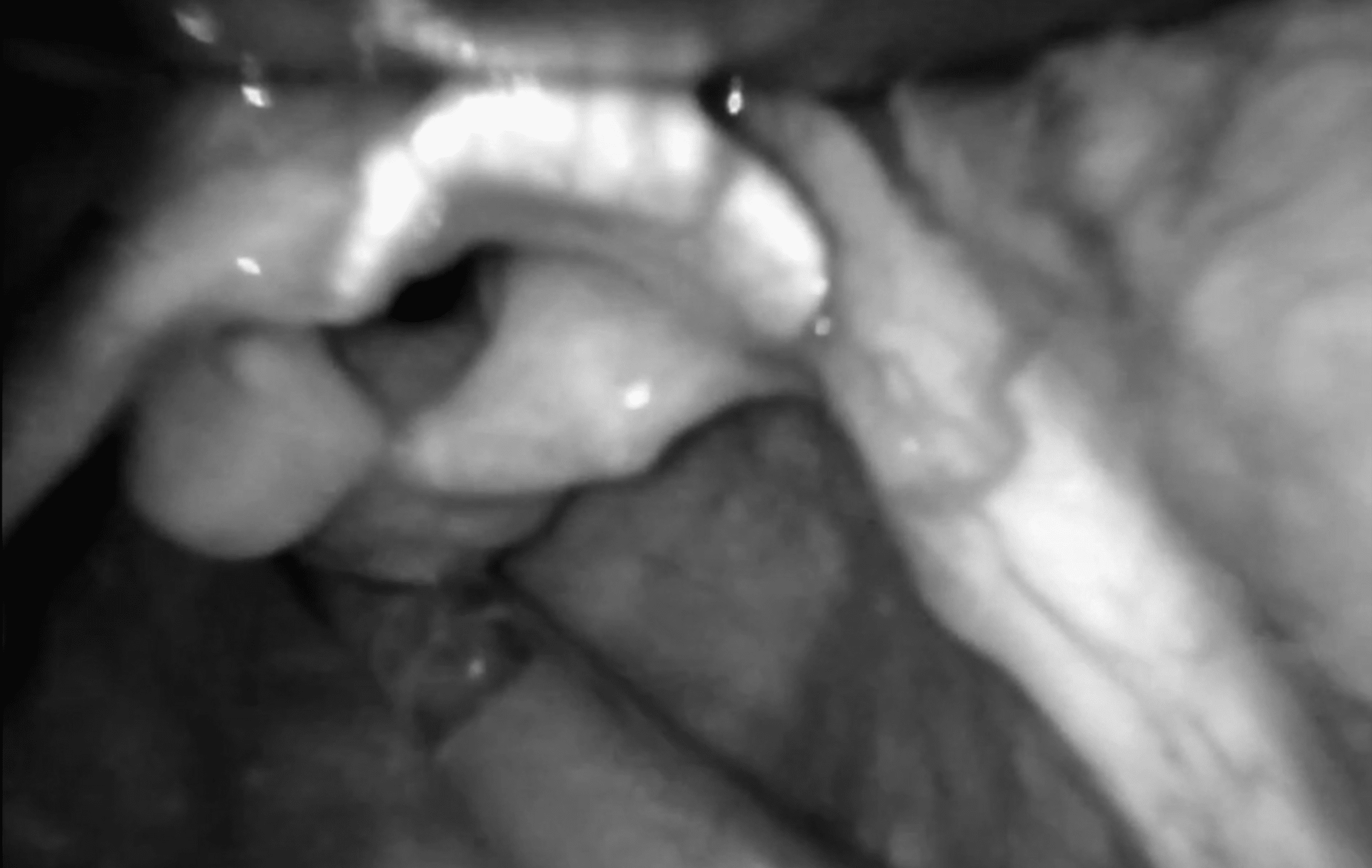

Dr. Tim Friedmann, MD is an Assistant Professor in the Department of Emergency Medicine at the Icahn School of Medicine at Mount Sinai. He is an Assistant Program Director for the residency program and works clinically at Mount Sinai Hospital and Elmhurst Hospital | Sinai EM |
BA MA (Oxon) MBChB (Edin) FACEM FFSEM. Emergency physician, Sir Charles Gairdner Hospital. Passion for rugby, medical history, medical education, and asynchronous learning #FOAMed evangelist. Editor-in-Chief and Webmaster of Life in the Fast lane, LITFL | On Call 4e| Eponyms | Books | Horology |