
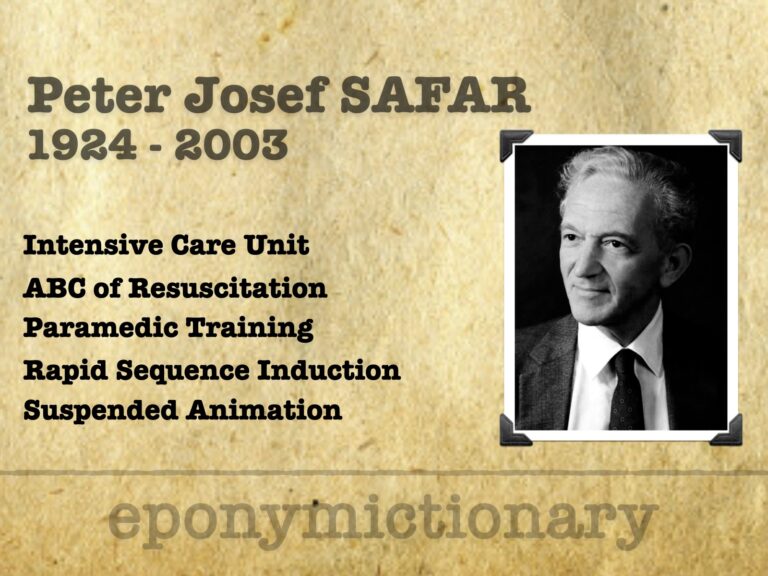
Peter Safar
Peter Safar (1924–2003), father of modern resuscitation, pioneered CPR, ICUs, paramedic training, and therapeutic hypothermia.

Peter Safar (1924–2003), father of modern resuscitation, pioneered CPR, ICUs, paramedic training, and therapeutic hypothermia.
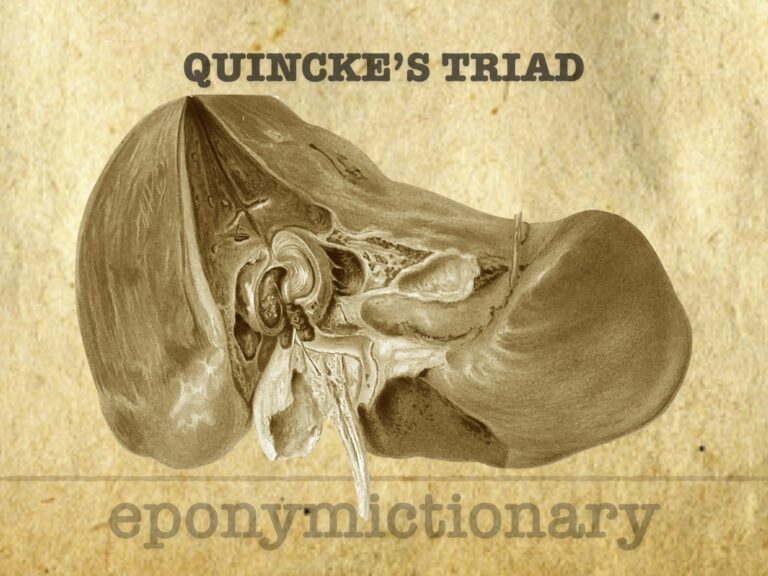
Quincke's Triad describes hemobilia via the triad of GI bleeding, biliary colic, and jaundice; first detailed by Heinrich Quincke in 1871, named retrospectively in 1975
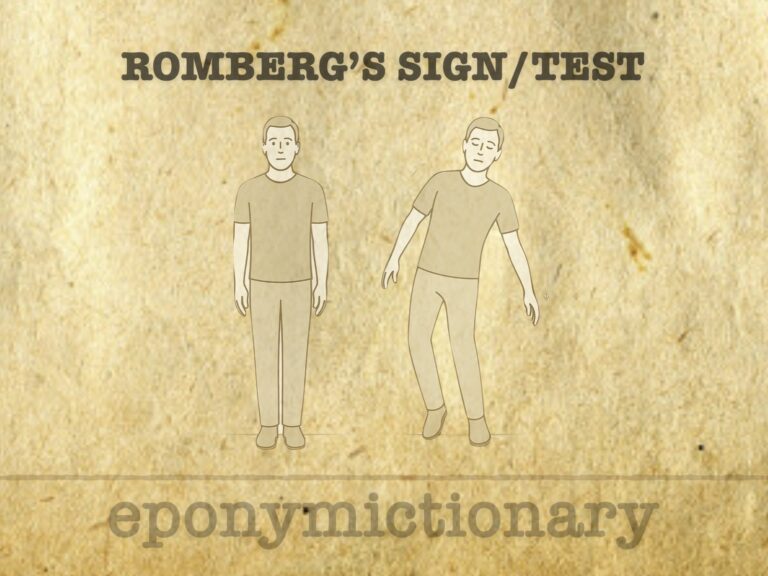
Romberg’s sign: a classic neurological test detecting proprioceptive loss by demonstrating postural instability with eyes closed.

Out-Sleep the Competition. Sleep as a Peak Performance State. Can you remember the last time you woke feeling sharp, clear, and fully charged?
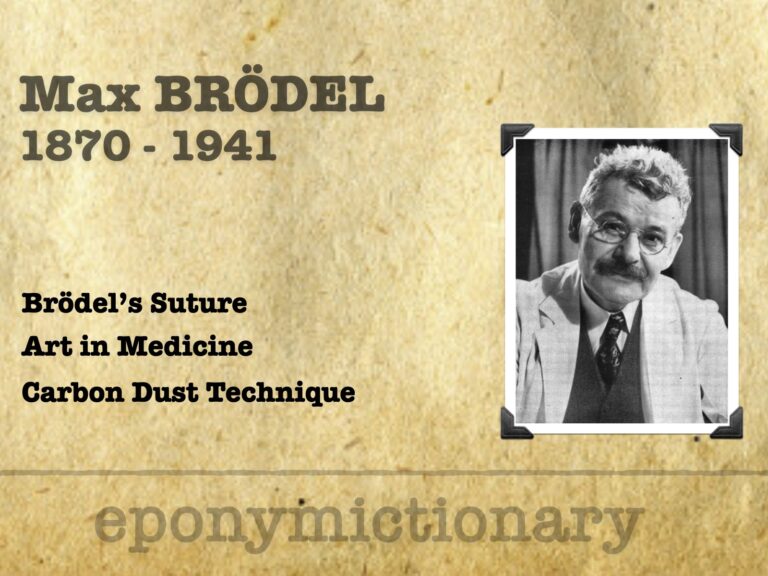
Max Brödel (1870–1941), father of modern medical illustration, founded Johns Hopkins’ art in medicine department and pioneered the carbon dust technique.
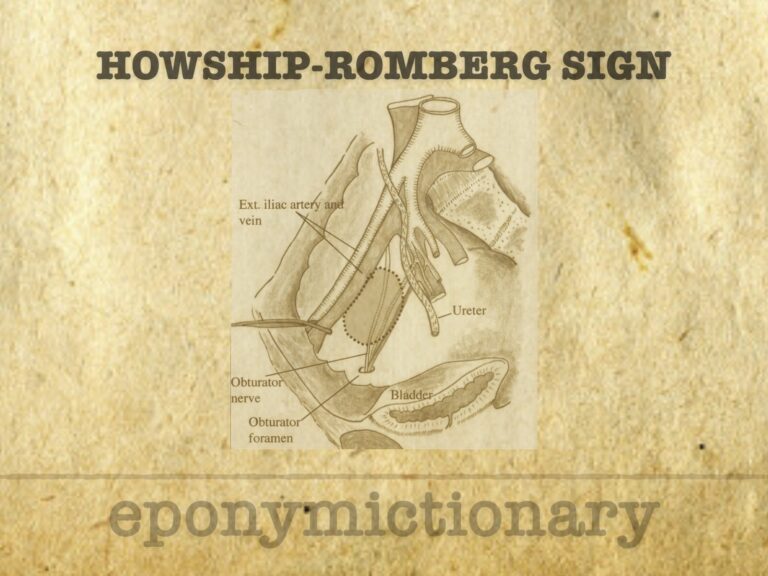
Howship-Romberg sign: pain and paraesthesia along the distribution of the obturator nerve (medial thigh to knee); a clinical indicator of obturator nerve compression, commonly due to an obturator hernia
The Illusion of Perfection: Part 2. Do You Remember That Patient? How to Break the Silence and Change the System
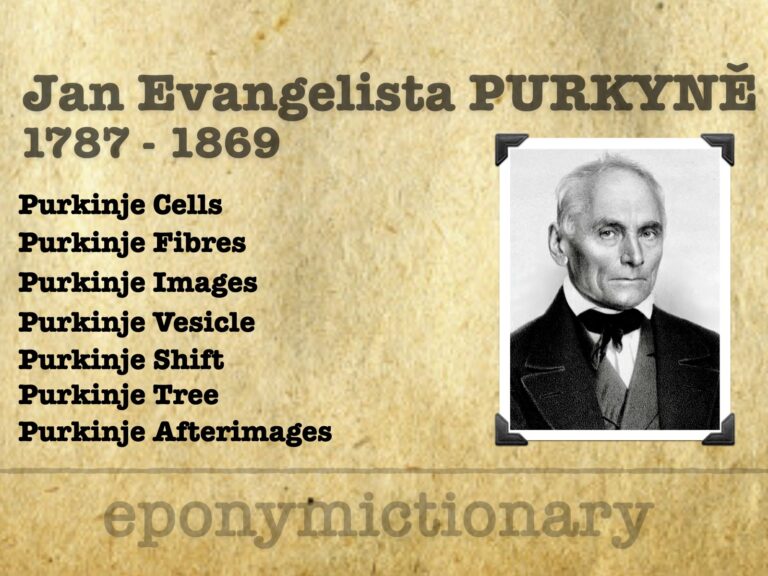
Jan Evangelista Purkyně (1787–1869), pioneering physiologist whose discoveries in vision, neurology, and cardiology shaped modern medical science
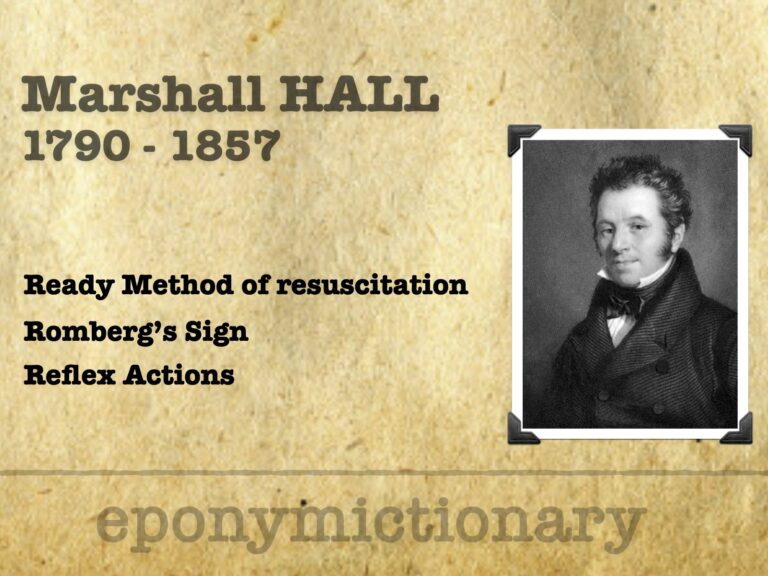
Marshall Hall (1790–1857): Pioneer of reflex physiology, anti-bloodletting reformer, creator of the Ready Method for resuscitation, and advocate for animal ethics.
Funtabulously Frivolous Friday Five 363 - Just when you thought your brain could unwind, enter the medical trivia of FFFF.
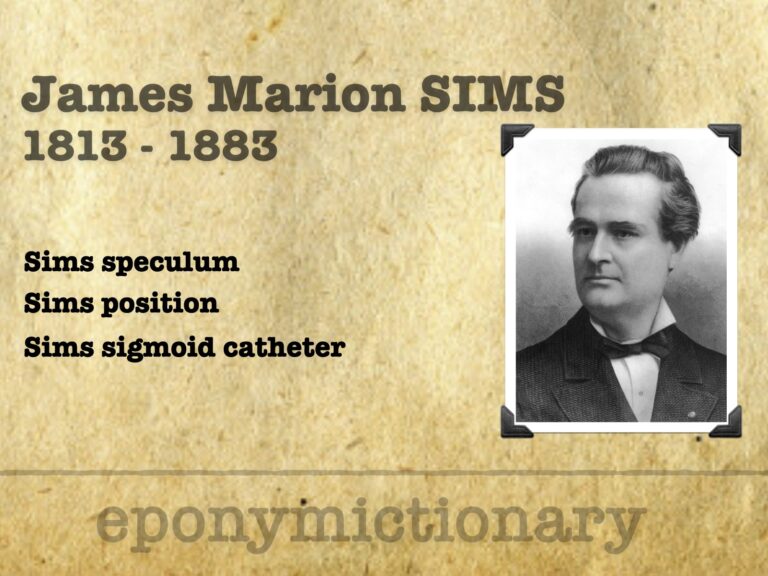
American gynecologist James Marion Sims (1813-1883) pioneered vesicovaginal fistula surgery but remains controversial for non-consensual experiments on enslaved women.
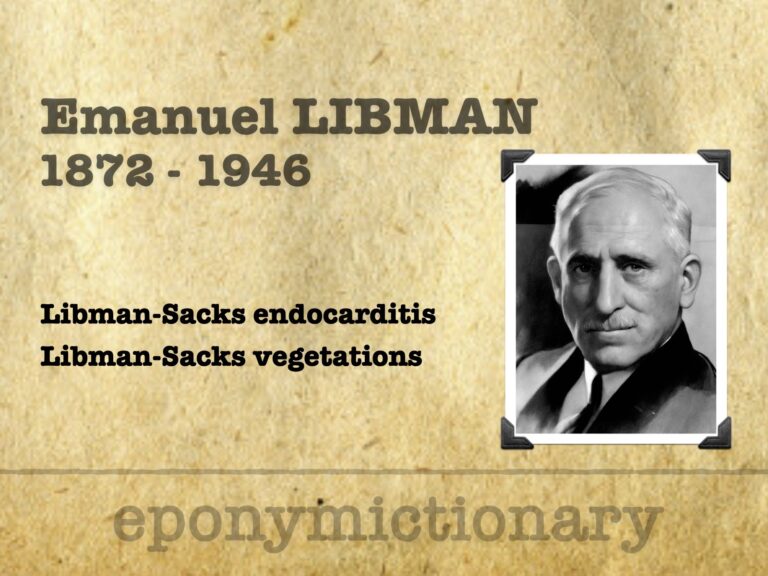
Emanuel Libman (1872–1946), American internist who co-described Libman-Sacks endocarditis and revolutionised diagnostic medicine at Mount Sinai.