
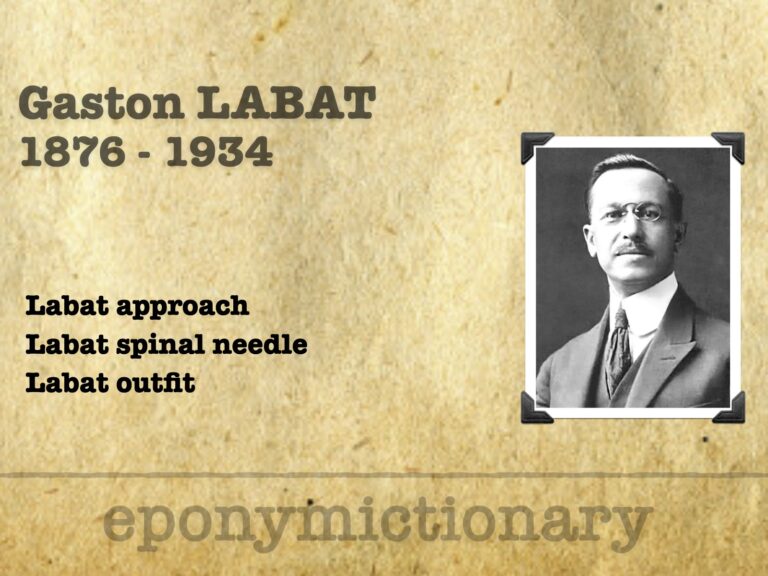
Gaston Labat
Gaston Labat (1876–1934). Regional anaesthesia pioneer, author of Regional Anesthesia, founder of ASRA, and namesake of the Labat sciatic block, Labat spinal needle and Labat outfit


Gaston Labat (1876–1934). Regional anaesthesia pioneer, author of Regional Anesthesia, founder of ASRA, and namesake of the Labat sciatic block, Labat spinal needle and Labat outfit
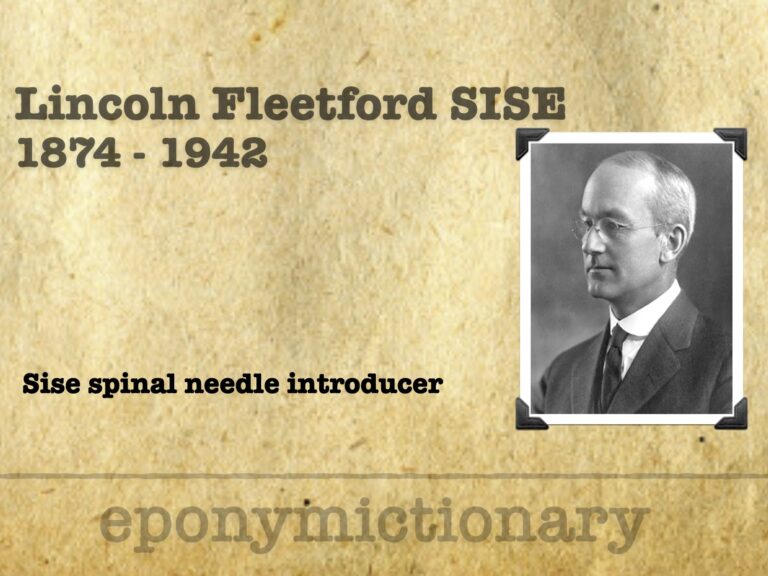
Lincoln Fleetford Sise (1874-1942). Lahey Clinic anaesthetist known for fine-gauge spinal needle introducers and safer spinal anaesthesia.
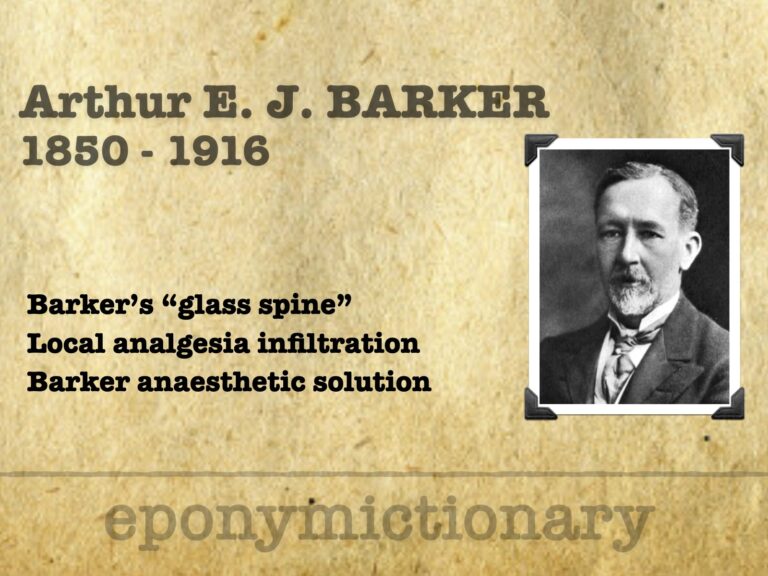
Arthur Edward James Barker (1850-1916). British surgeon, asepsis pioneer, and key figure in local infiltration and spinal analgesia.
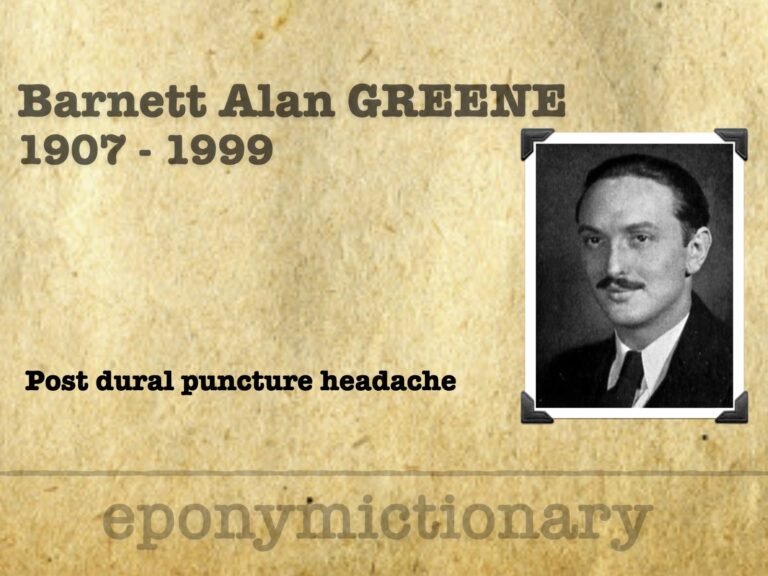
Barnett Alan Greene (1907-1999) American anaesthesiologist. Use of fine-gauge obstetric spinal needles and reducing post-spinal headache.

Herbert Merton Greene (1878-1962), American physician who linked post-lumbar puncture headache to dural trauma and designed the Greene needle
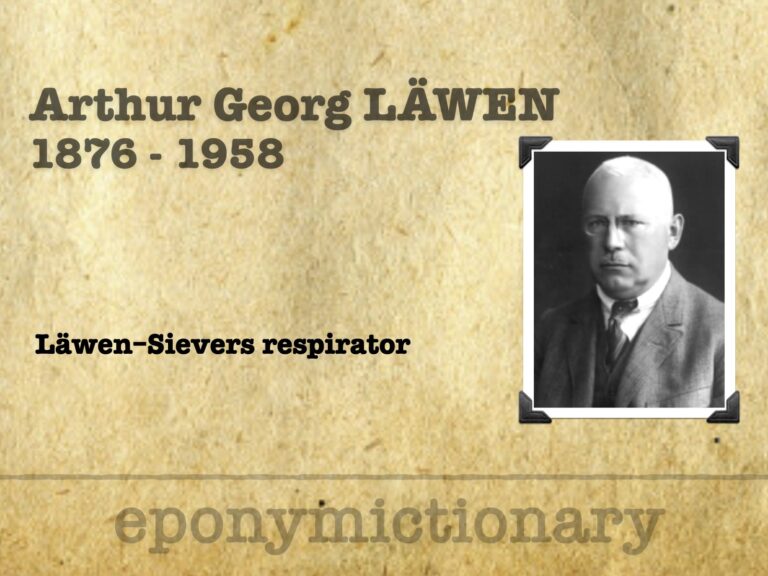
Arthur Georg Läwen (1876–1958), German surgeon. Anaesthesia pioneer sacral/extradural anaesthesia, paravertebral block, novocaine, curare and artificial ventilation.
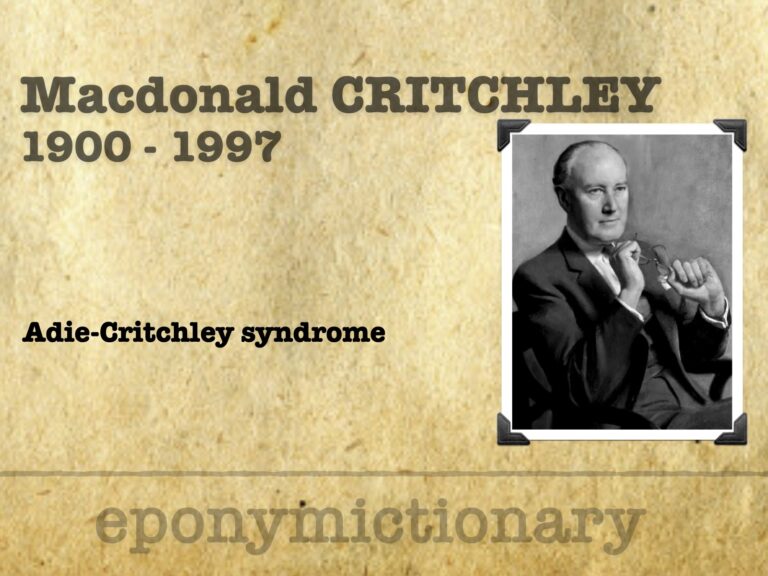
Macdonald Critchley (1900–1997): Pioneering neurologist of higher brain function; author of The Parietal Lobes; leader, teacher, and medical humanist.
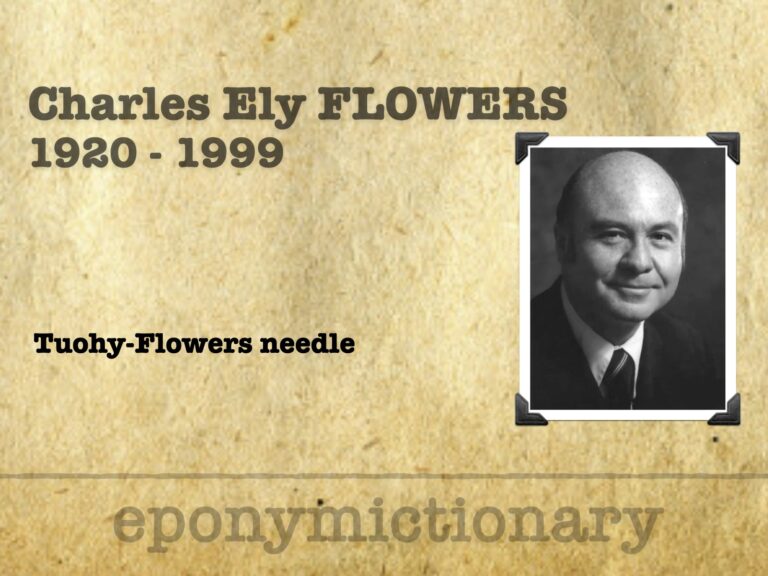
Charles Ely Flowers Jr (1920-1999). American obstetrician-gynaecologist linked to continuous peridural anaesthesia and the Tuohy–Flowers epidural needle
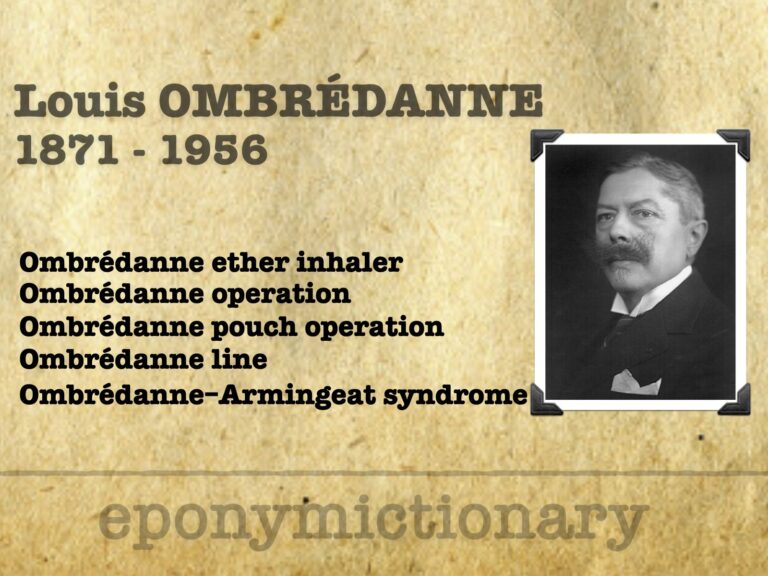
Louis Ombrédanne (1871–1956), French paediatric surgeon linked to the Ombrédanne inhaler, hip line, orchidopexy and reconstructive surgery.
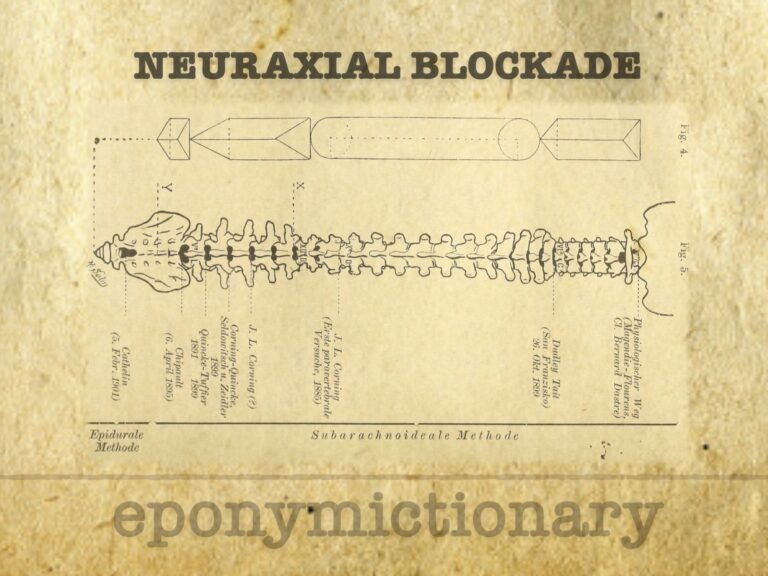
History of neuraxial anaesthesia: milestones in spinal and epidural blockade from Koller and Corning to Quincke, Bier, Tuohy and Curbelo.
Aaron sign is referred pain induced by continuous firm pressure over McBurney point, described by Charles D. Aaron in 1913 for chronic appendicitis.
Rovsing sign: original 1907 technique, Perman's earlier 1904 sign, history, mechanism, diagnostic accuracy and evolution of the appendicitis sign.