
Heart HQ: Pericarditis
Heart HQ - Episode 20: Pericarditis is the swelling of the membrane around the heart. We discuss a recent case study of acute pericarditis following a respiratory tract infection.

Heart HQ - Episode 20: Pericarditis is the swelling of the membrane around the heart. We discuss a recent case study of acute pericarditis following a respiratory tract infection.

Williams-Beuren syndrome: Generalized disorder characterized by unusual facies, abnormal behavioral abilities, cardiovascular anomalies, especially supravalvular aortic stenosis (SVAS), renal and other abnormalities
Heart HQ - Episode 19: Atrial fibrillation, the most common cardiac arrhythmia that we see in our patients. In this podcast, we explain the different types of AF
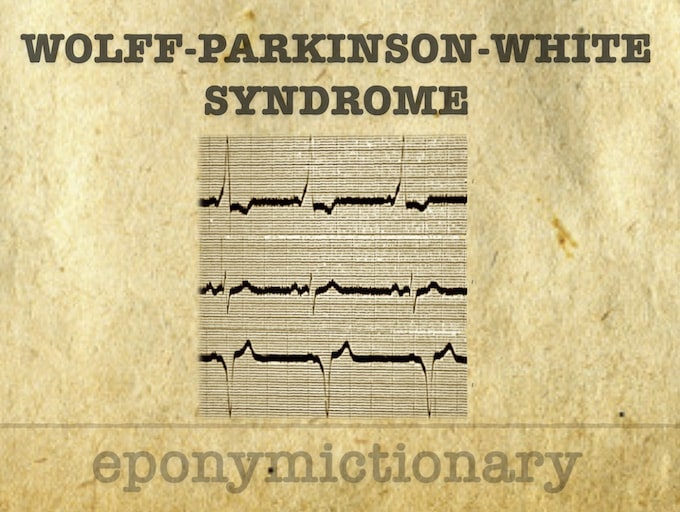
Wolff-Parkinson-White (WPW) Syndrome is a combination of the presence of a congenital accessory pathway and episodes of tachyarrhythmia.

Fontaine bipolar precordial leads (F-ECG) are used to increase the sensitivity of epsilon wave detection, characteristic of arrhythmogenic right ventricular dysplasia (ARVD/C)
Heart HQ - Episode 18: Pacemakers and Syncope. Which types of patients who would benefit from one - and when is a pacemaker not needed.

Schamroth sign. Simple sign to determine the presence of finger clubbing. One of the earliest signs of clubbing is obliteration of the Schamroth 'window'.
Heart HQ - Episode 17: Mental Health, Psychosocial Factors and Cardiac Risk. We discuss the link between stress, depression, anxiety and cardiac events.
Heart HQ - Episode 16: Hypertension. According to the Heart Foundation, 1 in 3 adults have high blood pressure in Australia. As many people are asymptomatic, they may be unaware they have hypertension.
Heart HQ - Episode 14: Happy New Year. As the year draws to a close, we reflect on the year that was and look ahead to a busy 2022.
The Osborn wave (J wave) is a positive deflection at the J point (negative in aVR and V1). It is usually most prominent in the precordial leads and most commonly associated with hypothermia.
SCAD -- an underrecognised cause of ACS in the "low risk" young female patient. Management differs to atherosclerotic MI, with conservative therapy the mainstay.