
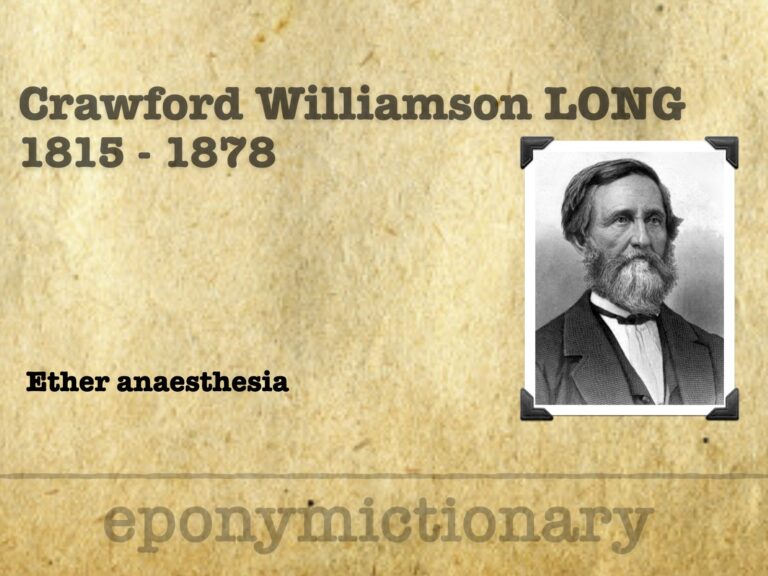
Crawford W. Long
Crawford W. Long (1815–1878), American physician who first used sulphuric ether for surgical anaesthesia on March 30, 1842

Crawford W. Long (1815–1878), American physician who first used sulphuric ether for surgical anaesthesia on March 30, 1842

Augustus Desiré Waller (1856–1922) was a British physiologist who recorded the first human electrocardiogram (ECG) in 1887. His work laid the foundation for modern electrocardiography and inspired Willem Einthoven’s innovations.

Brain Herniation Syndromes. Clinical and radiological assessment of 13 cases. Neuroimaging case study series with Teresa Crow, Troy Carnwath, Scott DiMeo, L. Erin Miller and Natalie Rall
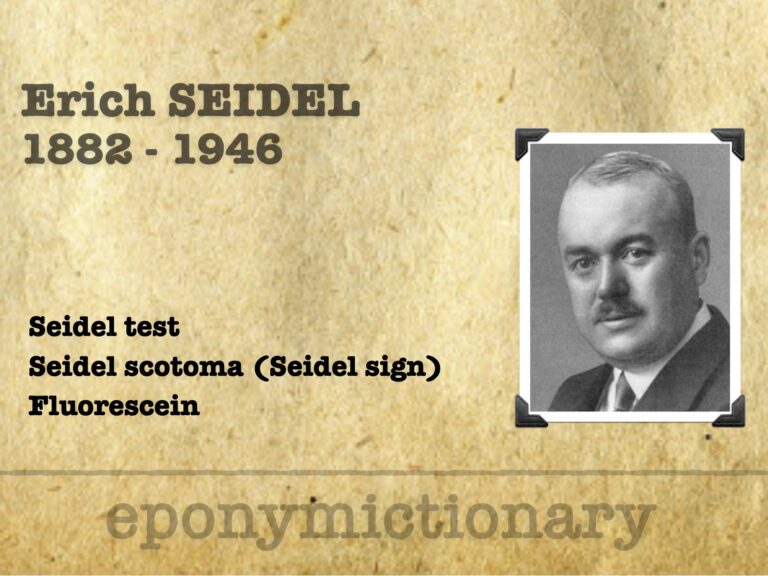
Erich Seidel (1882–1946), German ophthalmologist. Described Seidel scotoma (1914): sickle/arcuate blind-spot extension in early glaucoma.
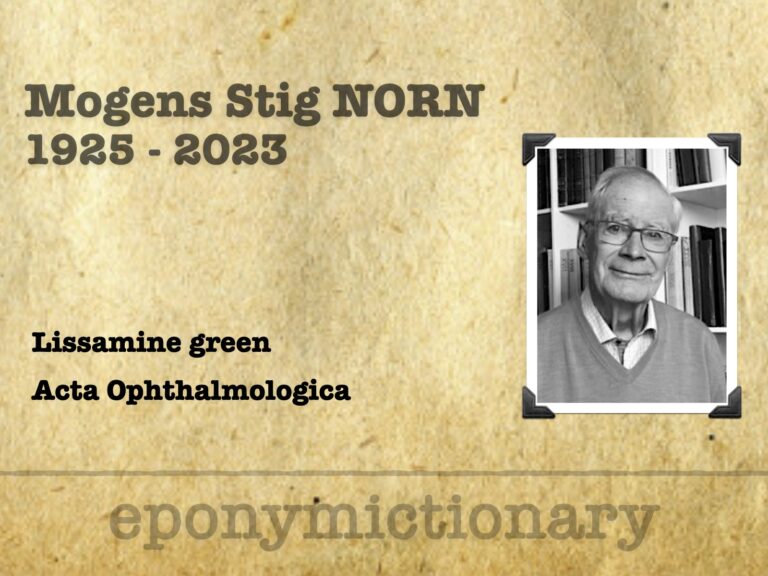
Mogens Stig Norn (1925–2023), Danish ophthalmologist. Introduced lissamine green vital staining (1973); chief editor Acta Ophthalmologica (1975–88).
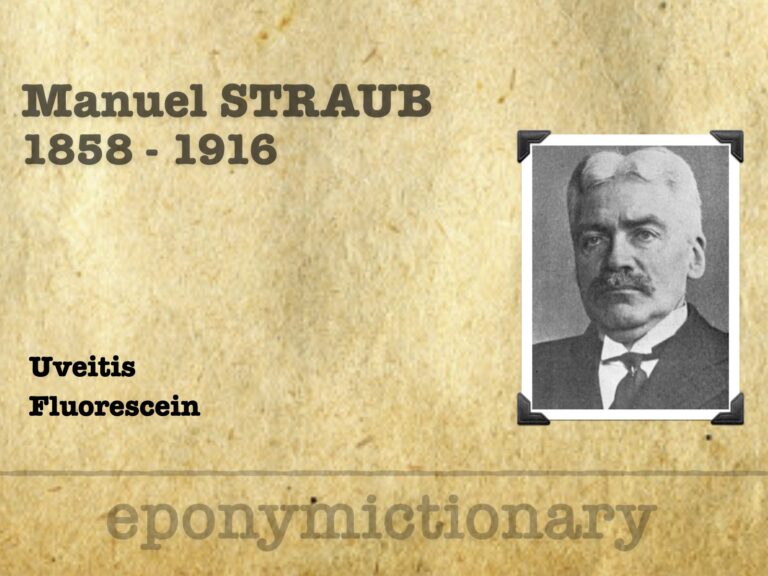
Manuel Straub (1858–1916), Dutch ophthalmologist. Early human fluorescein corneal staining (1888) and landmark lens-induced uveitis work
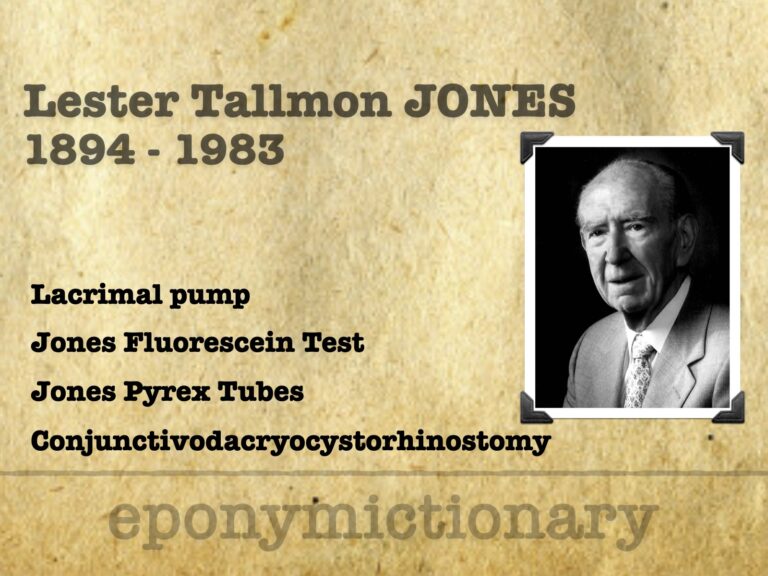
Lester T. Jones (1894/95–1983), Oregon ophthalmologist. Defined the lacrimal pump, created Jones fluorescein dye tests, and pioneered CDCR with the Jones tube.
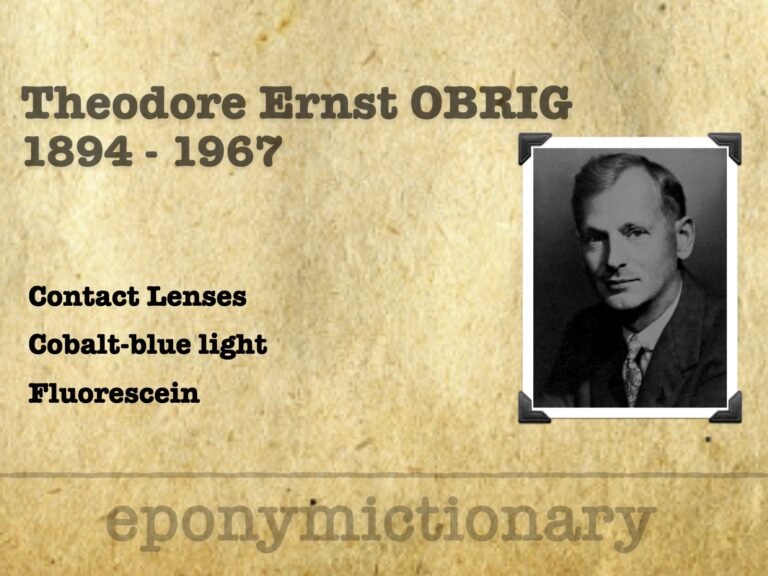
Theodore Ernst Obrig (1894–1967) pioneered cobalt-blue and fluorescein viewing (1938), transforming contact lens fitting and corneal surface assessment.
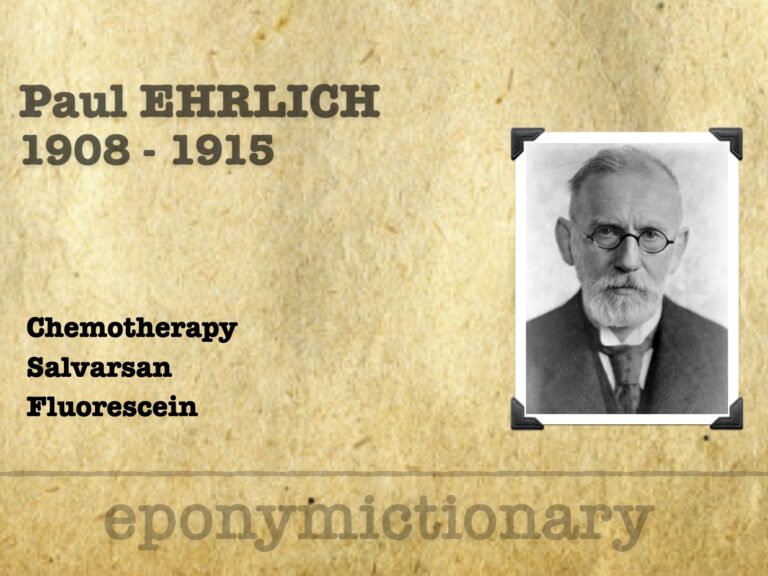
Paul Ehrlich (1854–1915), German physician. Pioneer of chemotherapy; fluorescein eye studies, immunology, and Salvarsan for syphilis.
Ernst Pflüger (1846–1903), Swiss ophthalmologist. Early fluorescein cornea experiments (1882) and influential work on refraction, optotypes and colour vision testing
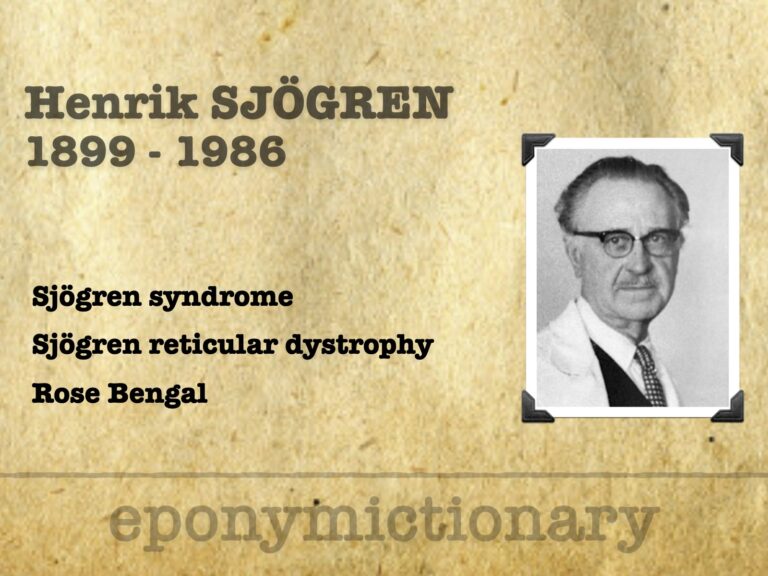
Henrik Sjögren (1899–1986), Swedish ophthalmologist. Defined keratoconjunctivitis sicca and described Sjögren syndrome; introduced 1% rose bengal staining (1933).

On Call 4th Edition: practical, symptom-based, risk-stratified handbook for ward calls in Australasia & UK. Updated, expanded, and evidence-based.