


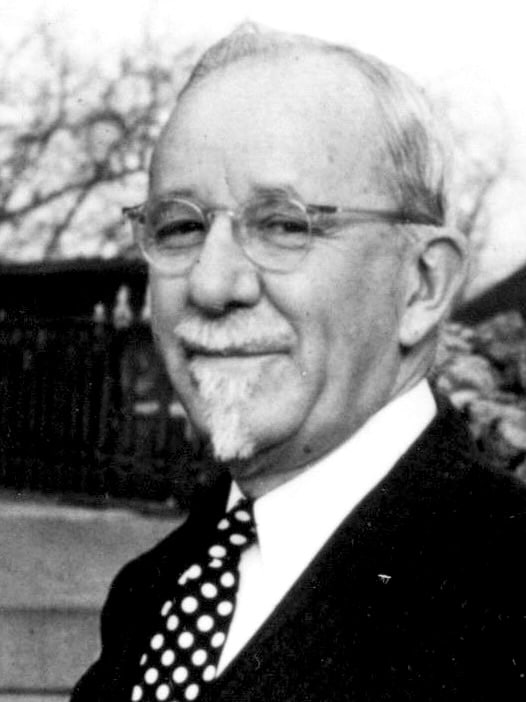
Paluel Joseph Flagg (1886-1970) was an American anaesthetist, resuscitation pioneer, and inventor
Following the death of his infant daughter from neonatal asphyxia in 1912, Flagg devoted much of his professional life to airway management, oxygenation and resuscitation. He later founded the Society for the Prevention of Asphyxial Death and published The Art of Resuscitation (1944)
His innovations included the Flagg airway, Flagg can, Flagg haemoxometer, Flagg endotracheal tube and Flagg laryngoscope. He also described an early purpose-designed neonatal laryngoscope and promoted direct tracheal intubation during newborn resuscitation.
Flagg attempted to quantify cyanosis through colour measurement. He applied those observations to the problem of visual fatigue in the operating theatre and developed Eyerest Green.
Biographical Timeline
- Born August 22, 1886 in Yonkers, New York, son of Howard W. Flagg and Eulalie de Marmon
- 1909 – Graduated MD from Fordham University Medical School.
- 1910–1913 – Visiting anaesthetist at St Joseph’s Hospital, Yonkers.
- 1912 – Flagg’s infant daughter died from neonatal asphyxia. His first wife, Stella Robblee Flagg, died later that year. Flagg described his inability to make his daughter breathe as a formative event in his lifelong interest in oxygenation, asphyxia and resuscitation.
- 1912 – Joined the medical faculty of the newly opened Maryknoll Seminary, giving regular lectures in medicine and health care and encouraging other physicians to support overseas medical missions.
- 1916 – Published the first edition of The art of anaesthesia and described the Flagg airway
- 1916–1934 – Anaesthetist in charge at St Vincent’s Hospital, New York
- 1917–1918 – Anaesthetist at the Rockefeller Institute War Demonstration Hospital, during the First World War.
- 1919–1920 – Served as President of the New York Society of Anesthetists.
- 1922 – Published his oxyhaemoglobinometer [haemoxometer] colour scale
- 1924–1925 – Published on the scientific use of colour in the operating room marketed as Eyerest Green
- 1927 – Working with Chevalier Jackson, Flagg established practical tube dimensions and advocated direct-vision intubation with spontaneous to-and-fro respiration through the tube.
- 1928 – Published Treatment of asphyxia in the newborn, describing a purpose-designed illuminated neonatal laryngoscope, suction, direct tracheal intubation and controlled oxygen–carbon dioxide insufflation as an integrated neonatal resuscitation system. Published A new laryngoscope, describing a compact, battery-powered Flagg laryngoscope
- 1933 – Founded the Society for the Prevention of Asphyxial Death (SPAD)
- 1939 – Served as Director of Pneumatology at the New York World’s Fair
- 1944 – Published The Art of Resuscitation detailing asphyxia, artificial respiration, airway management and resuscitation.
- 1940s–1960s – Continued teaching and campaigning for respiratory resuscitation and patient safety.
- 1964 – Invested as a Knight Grand Cross of the Equestrian Order of the Holy Sepulchre of Jerusalem, recognising his Catholic medical and humanitarian work.
- Died January 17, 1970 in Yonkers, New York, aged 83.
Medical Eponyms
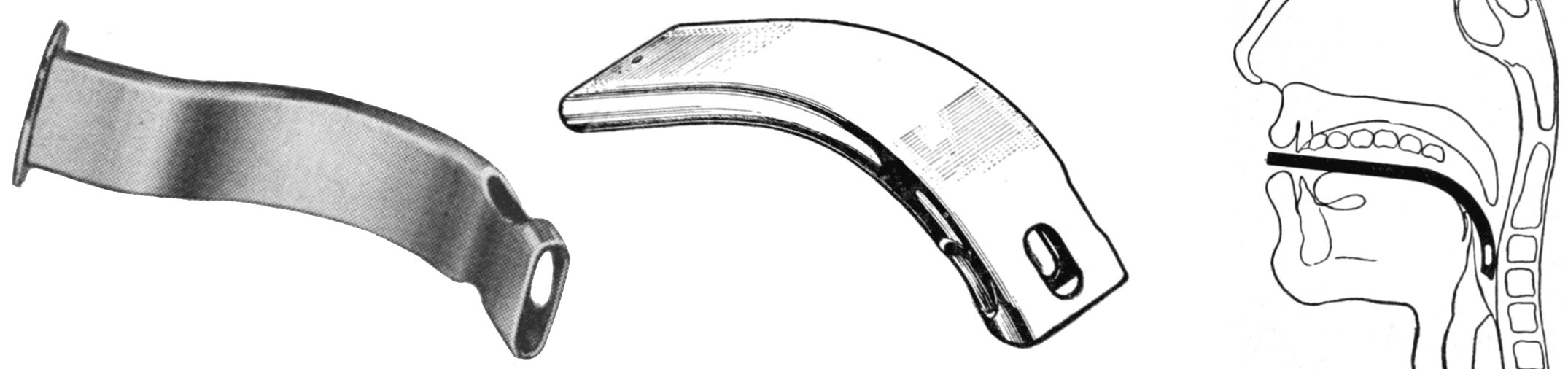
Flagg airway (1916)
The Flagg airway is an oral airway developed by Flagg as a modification of the Connell airway to maintain upper-airway patency during anaesthesia.
Flagg added an additional opening to reduce the risk of obstruction and described the device in the first edition of The Art of Anaesthesia (1916).
Flagg can (1919)
The Flagg can was a portable ether-delivery apparatus used with the Flagg airway.
A metal container holding ether was connected to the airway by rubber tubing. The can could be warmed in the anaesthetist’s hand to increase ether vaporisation, providing a compact method of administering inhalational anaesthesia without a large anaesthetic machine.
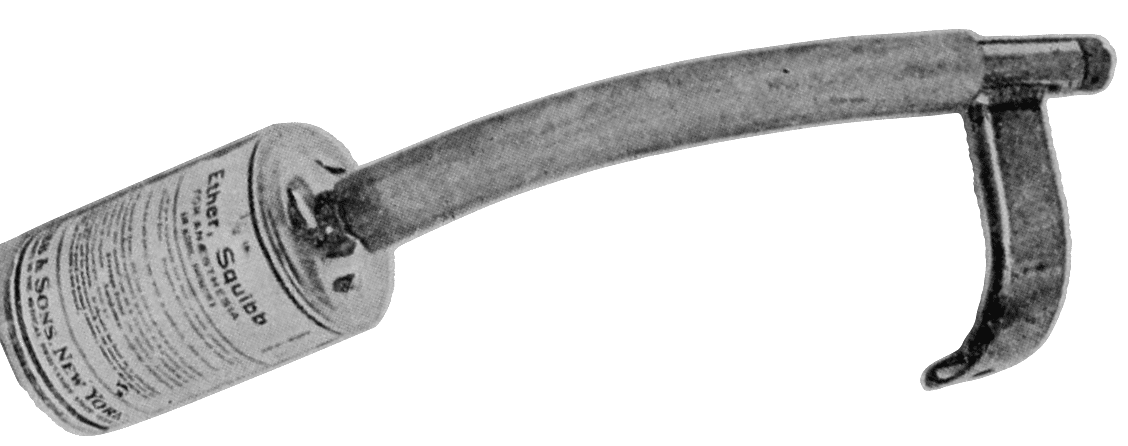
An ether can is opened and emptied. Holes are then punched in the top of the can with bandage scissors. Half an ounce of ether is then poured into the can and the tube through which the patient breathes and which is connected at its proximal end either to the nasal tube or to the pharyngeal tube is slipped over the top of the ether can.
Flagg, 1922
Flagg haemoxometer [oxyhaemoglobinometer] (1922)
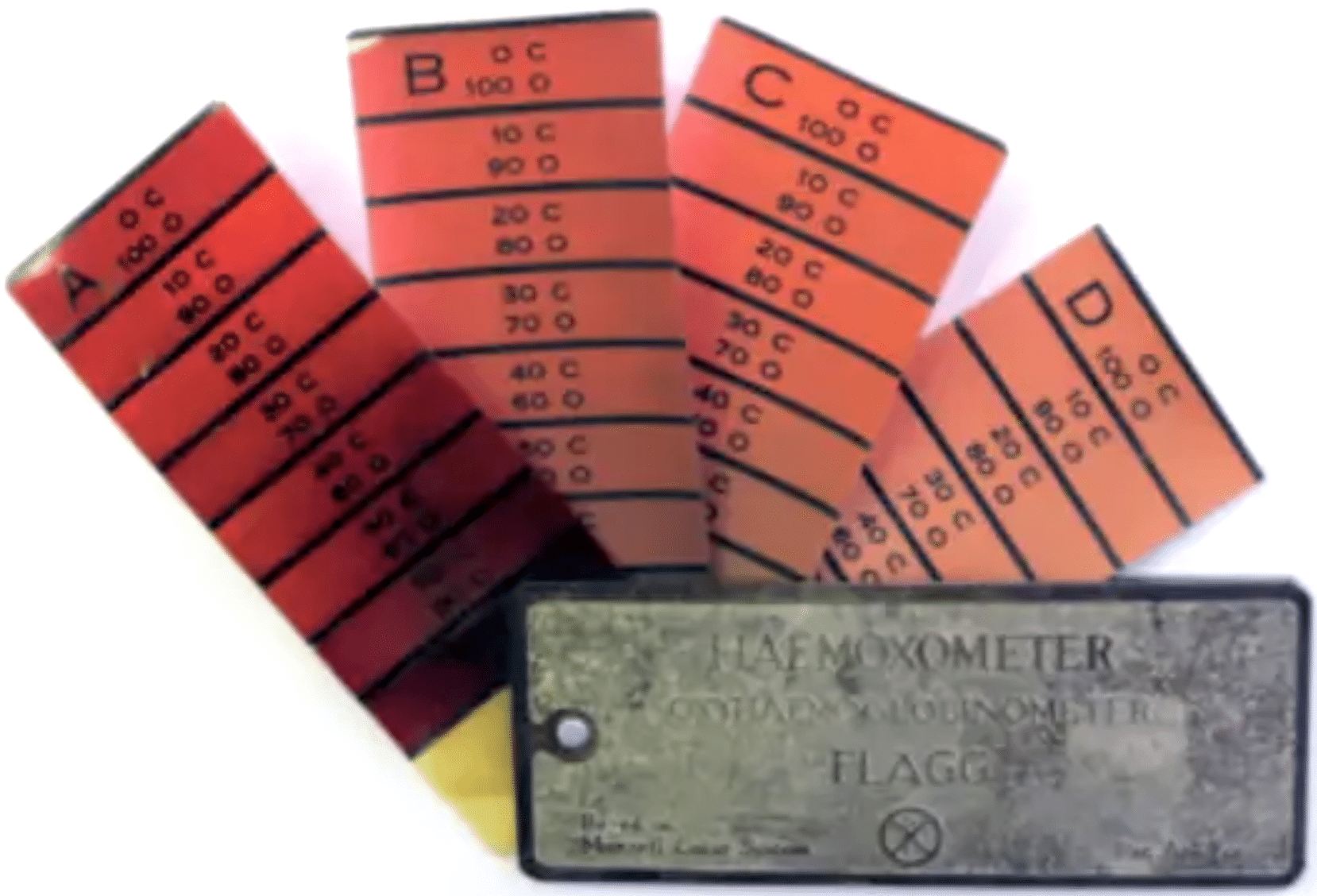
The Flagg haemoxometer, or oxyhaemoglobinometer, was a colour-comparison device developed to estimate the degree of blood oxygenation and cyanosis clinically.
Flagg was dissatisfied with subjective descriptions such as mild, moderate or marked cyanosis. Using experimentally oxygenated and deoxygenated blood and the Munsell system of colour notation, he developed graded colour scales for comparison with blood, skin, nail beds and mucous membranes.
In An oxyhaemoglobinometer for the clinical measurement of cyanosis, Flagg emphasised that the method was an approximation rather than a direct measurement. He described the haemoxometer as “basically correct, in practice approximate.”
Flagg endotracheal tube (1927–1928)
The Flagg tube was a single wide-bore tube for intratracheal anaesthesia. It consisted of a flexible, spiral-reinforced tube with a matched rigid introducer or stylet. The introducer prevented kinking during insertion and was removed once the tube was positioned, leaving a large patent airway.
1927 – Working with Chevalier Jackson, Flagg investigated the largest tube that could be passed safely through the glottis. He published Intratracheal inhalation, describing his simplified wide-bore technique and advocated direct-vision intubation with spontaneous to-and-fro respiration through the tube.
Flagg laryngoscope (1928)
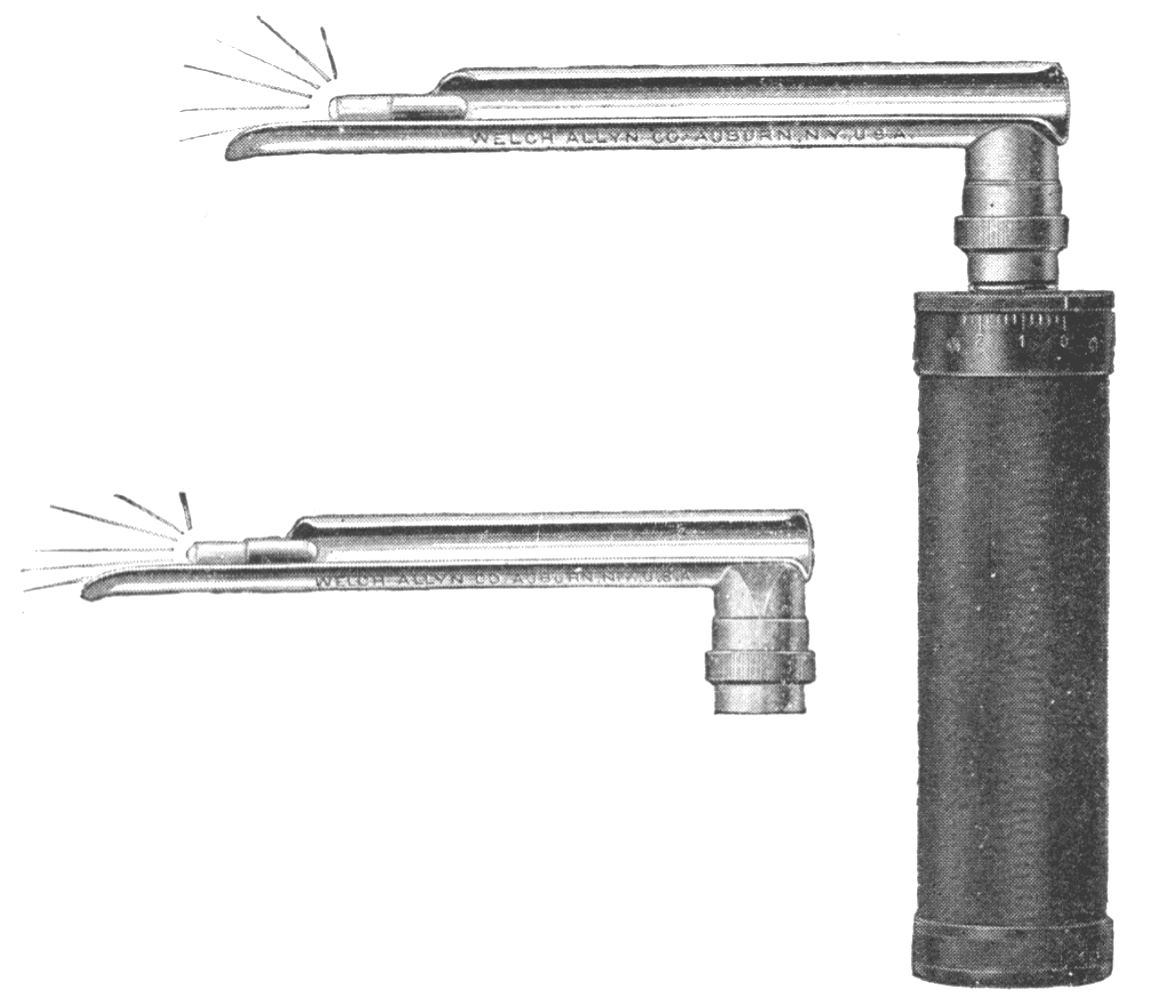
The Flagg laryngoscope was a portable direct laryngoscope developed to make examination of the larynx, tracheal intubation and emergency airway management readily available outside specialist bronchoscopic practice.
Flagg combined a detachable, sterilizable blade with a standard Welch Allyn pocket-flashlight battery handle. The blade incorporated distal illumination and a large lateral opening to provide working space for intubation and instrumentation. Flagg described the adult instrument in Exposure and illumination of the pharynx and larynx by the general practitioner. A new laryngoscope designed to simplify the technic.
Flagg also designed an illuminated neonatal laryngoscope, based on measurements of the newborn airway. This is regarded as the first laryngoscope specifically designed for neonatal intubation.
Key Medical Contributions
Colour in the operating room (1922–1925)
Flagg applied his earlier work on blood colour and oxygenation to the problem of visual fatigue in the operating theatre.
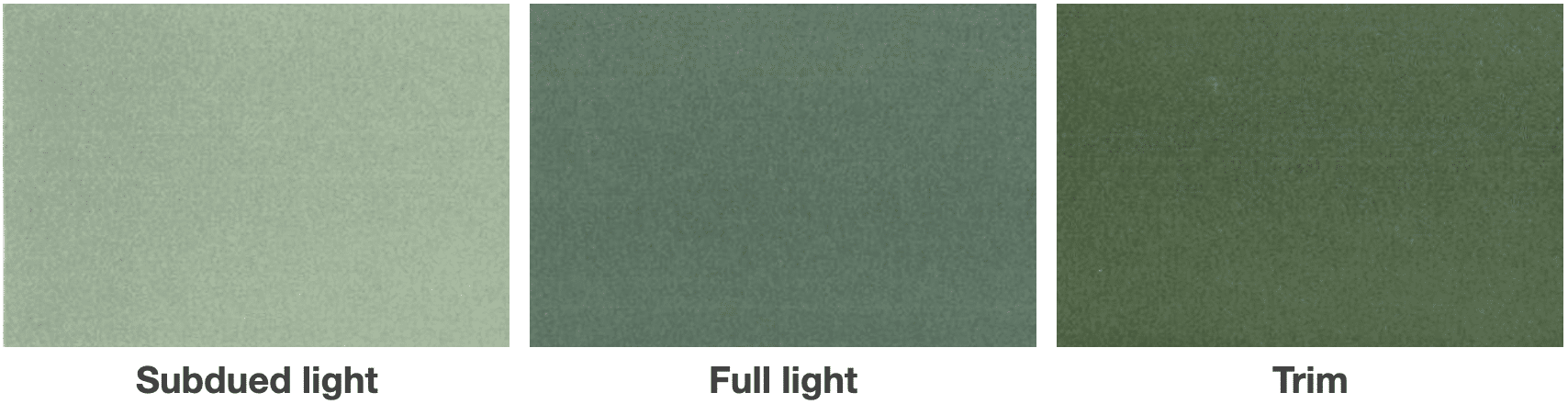
In 1924 he argued that the traditional all-white operating room produced excessive glare and after-images during prolonged surgery. Using his oxyhaemoglobinometer and the Munsell system of colour notation, Flagg sought a reproducible colour complementary to the red of blood and operative tissues.
He identified a muted bluish-green which reduced glare and colour fatigue while preserving contrast within the operative field. The shade was marketed as Eyerest Green, and Flagg extended the concept to walls, floors, drapes and surgical gowns.
Major Publications
- Flagg PJ. The art of anaesthesia. 1916 [2e 1919, 3e 1922]
- Flagg PJ. The patient’s view point. 1923
- Flagg PJ. An oxyhaemoglobinometer for the clinical measurement of cyanosis. Proc Soc Exp Biol Med 1922; 20: 1–5.
- Flagg PJ. A scientific basis for the use of color in the operating room. The Modern Hospital 1924; 22: 555–559.
- Flagg PJ. Color in the operating room. Architectural Record 1925; 57: 451–453
- Flagg PJ. Intratracheal inhalation: preliminary report of a simplified method of intratracheal anesthesia developed under the supervision of Dr. Chevalier Jackson Arch Otolaryngology. 1927;5;(5):394-399.
- Flagg PJ. Treatment of asphyxia in the newborn: preliminary report of the practical application of modern scientific methods. JAMA. 1928;91;(11):788-791.
- Flagg PJ. Exposure and illumination of the pharynx and larynx by the general practitioner. A new laryngoscope designed to simplify the technic. Arch Otolaryngol 1928;8;(6):716-717.
- Flagg PJ. Between respiratory paralysis and the respirator. JAMA 1937;109;(15):1216-1217.
- Flagg PJ. Pioneering in Medicine, 1930-1940: A Reflection and a Tribute, The Linacre Quarterly 1941; 9(2): 5.
- Flagg PJ. The Art of Resuscitation. 1944
References
Biography
- FLAGG, Paulel Joseph. National cyclopedia of American biography. 1974: 247-248
- Life from Death: The Tragedy and Heroism of Dr. Paluel J. Flagg Anesthesiology 2021; 134(2): 218
Eponymous terms
- Bause GS. P. J. Flagg’s haemoxometer. Anesthesiology. 2013 Mar;118(3):561.
- Sawyer T, Johnson K. Neonatal Intubation: Past, Present, and Future. Neoreviews 2020; 21(5): e335–e341
- Abhyankar RS, Jessop KM. From Craft to Profession: The Development of Modern Anesthesiology: Part II. Mo Med. 2022 Jan-Feb;119(1):14-20
- Featherstone PJ, Ball CM. A brief history of colour in the operating theatre. Anaesth Intensive Care. 2026 Jul;54(4):301-303.
- Flagg Airway. Wood Library Museum
- Flagg Can. Wood Library Museum
- Flagg Haemoxometer Wood Library Museum
- Flagg Endotracheal Tube. Wood Library Museum
Eponym
the person behind the name

MB ChB, Edinburgh Medical school. F1/F2 in Bath, now in Australia, Perth preparing for a career in Emergency medicine. I have an interest in wilderness medicine and women’s health, but haven’t fully found my niche interest yet.

BA MA (Oxon) MBChB (Edin) FACEM FFSEM. Emergency physician, Sir Charles Gairdner Hospital. Passion for rugby, medical history, medical education, and asynchronous learning #FOAMed evangelist. Editor-in-Chief and Webmaster of Life in the Fast lane, LITFL | On Call 4e| Eponyms | Books | Horology |