

Charles E. Flowers Jr
Charles Ely Flowers Jr (1920-1999). American obstetrician-gynaecologist linked to continuous peridural anaesthesia and the Tuohy–Flowers epidural needle


Charles Ely Flowers Jr (1920-1999). American obstetrician-gynaecologist linked to continuous peridural anaesthesia and the Tuohy–Flowers epidural needle
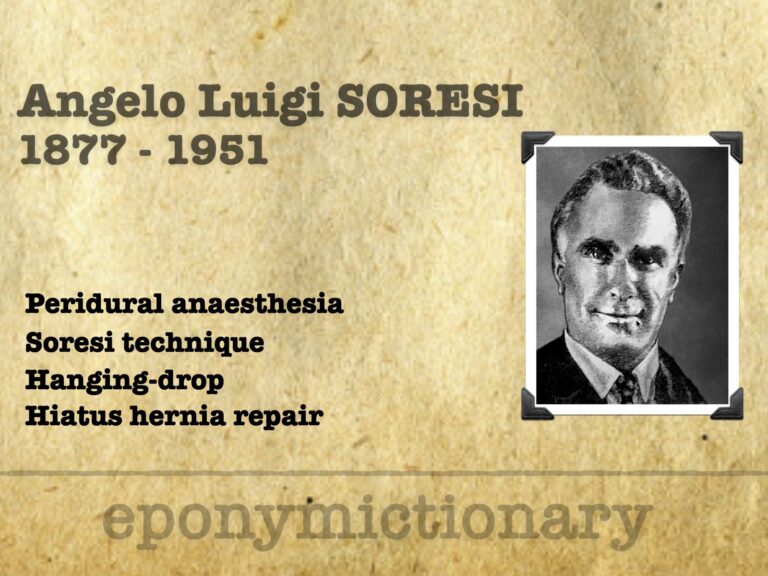
Angelo Luigi Soresi (1877–1951), Italian-born American surgeon who described peridural (epidural) anaesthesia and an early “hanging drop” endpoint for locating the epidural space (1932).
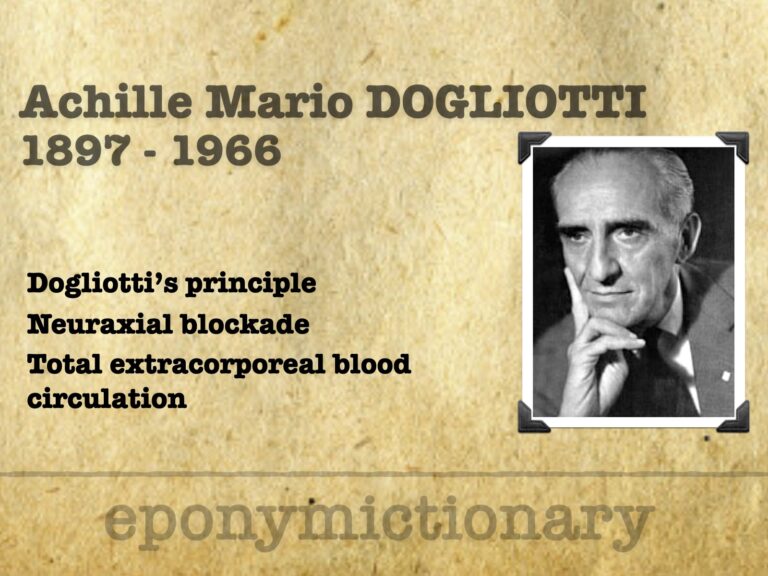
Achille Mario Dogliotti (1897-1966), Italian surgeon. Pioneer of epidural anaesthesia (Dogliotti’s principle), pain therapy, cardiac surgery, and total extracorporeal blood circulation
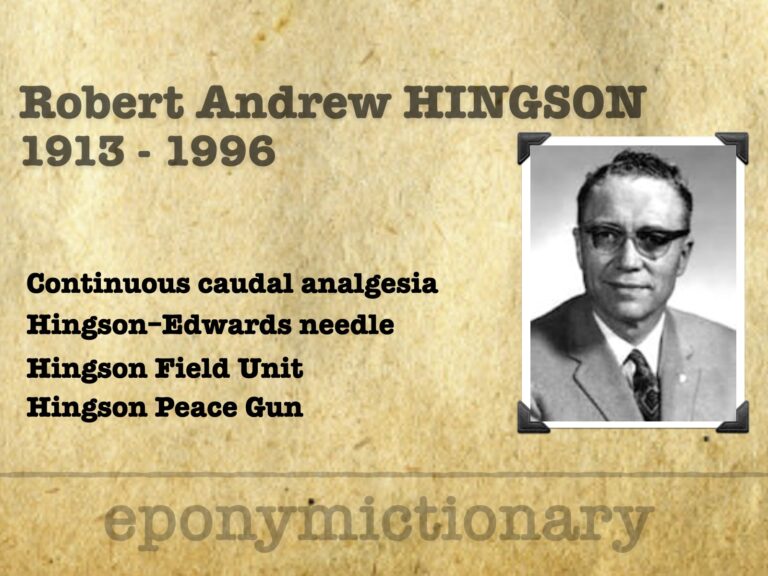
Robert Andrew Hingson (1913-1996), American anesthesiologist, pioneer of continuous epidural analgesia; Hingson Peace Gun; humanitarian mass vaccination programs.
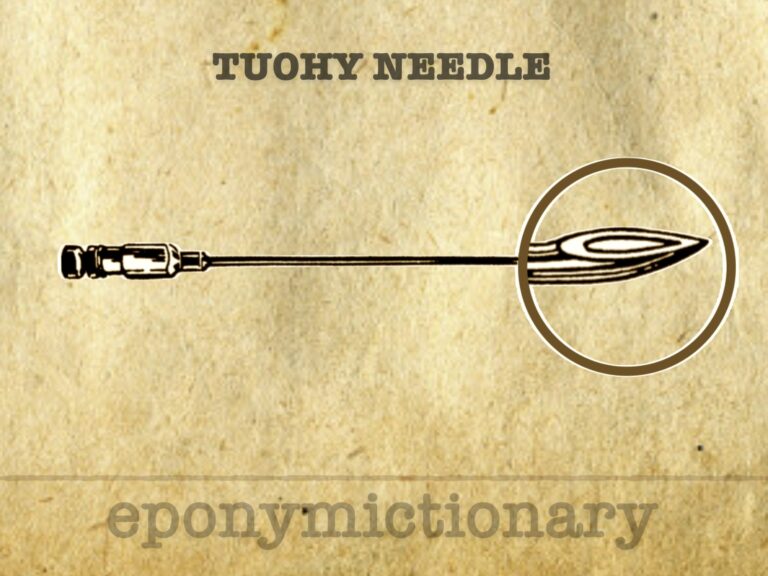
Tuohy needle: directional neuraxial needle enabling continuous spinal and epidural catheter techniques, based on the original Huber-point design.

Edward Boyce Tuohy (1908 – 1959) American anaesthesiologist. Best known for contribution to continuous epidural anaesthesia; Tuohy needle

Rolland John Whitacre (1909–1956), American anesthesiologist and inventor of the pencil-point spinal needle that reduced post-dural puncture headache.
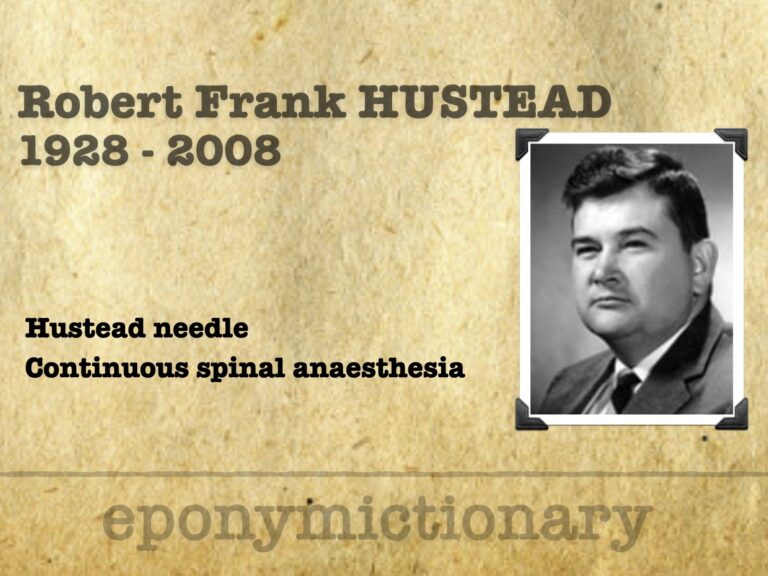
Robert Frank Hustead (1928-2008), American anaesthesiologist; refined epidural needle design, helped establish obstetric and ophthalmic anaesthesia subspecialties
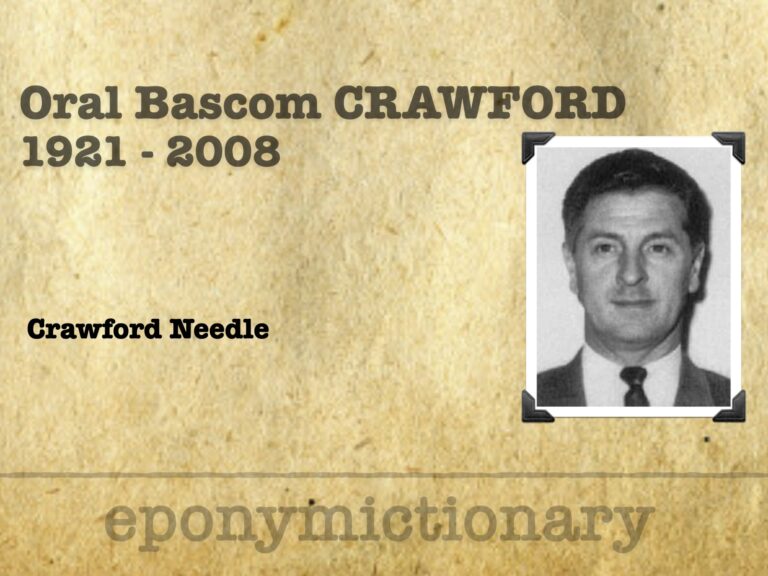
Oral Bascom Crawford Jr (1921–2008), American anesthesiologist. Early advocate of thoracic epidural anesthesia, inventor of the Crawford needle, and prilocaine investigator.
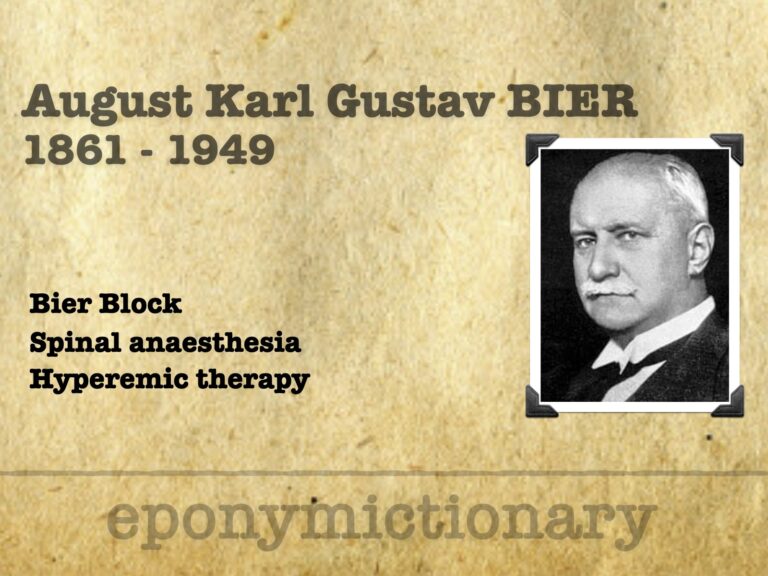
August Karl Gustav Bier (1861-1949) German Surgeon. Used Esmarch tourniquet forming the basis of his eponymous Bier block regional anaesthesia
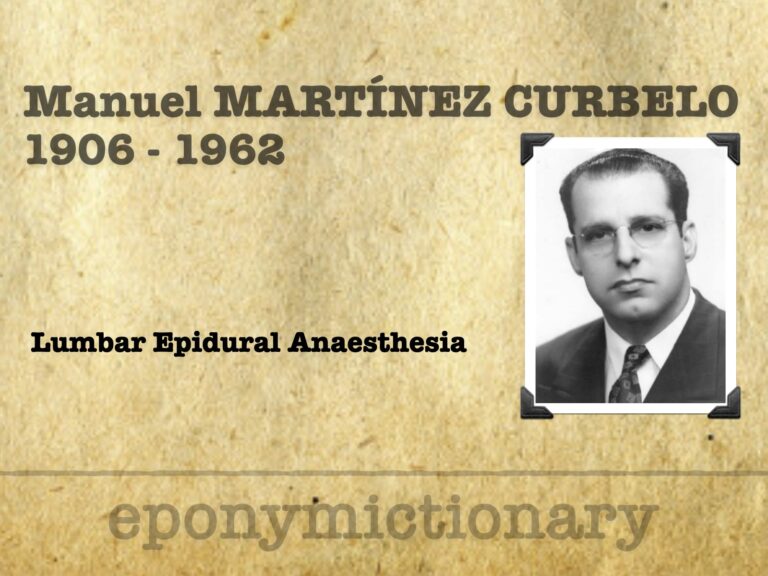
Pío Manuel Martínez Curbelo (1906–1962), Cuban anaesthesiologist who pioneered the first lumbar epidural catheter and published continuous epidural anaesthesia (1947–49).
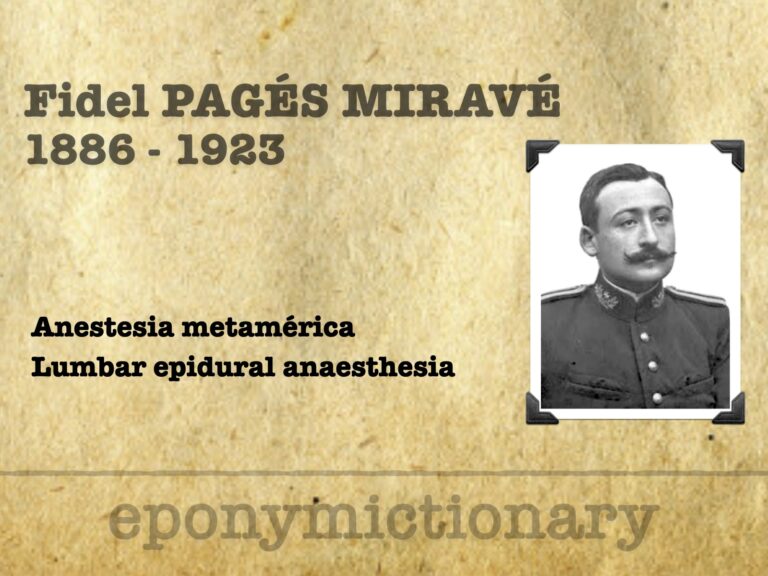
Fidel Pagés (1886–1923): Spanish military surgeon who described “anestesia metamérica” (1921), an early, practical lumbar epidural technique.