
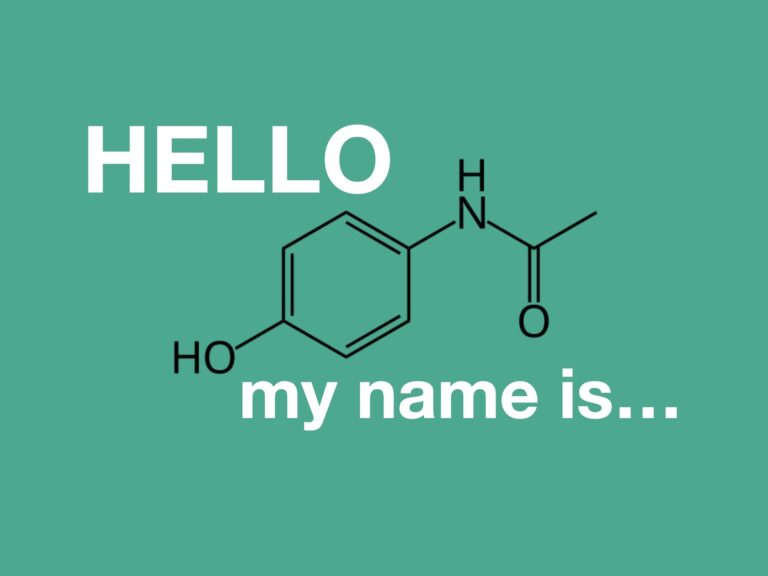
Paracetamol or Acetaminophen?
Paracetamol or acetaminophen? Discover how one familiar analgesic was made, overlooked, rediscovered and given two different names worldwide.


Paracetamol or acetaminophen? Discover how one familiar analgesic was made, overlooked, rediscovered and given two different names worldwide.
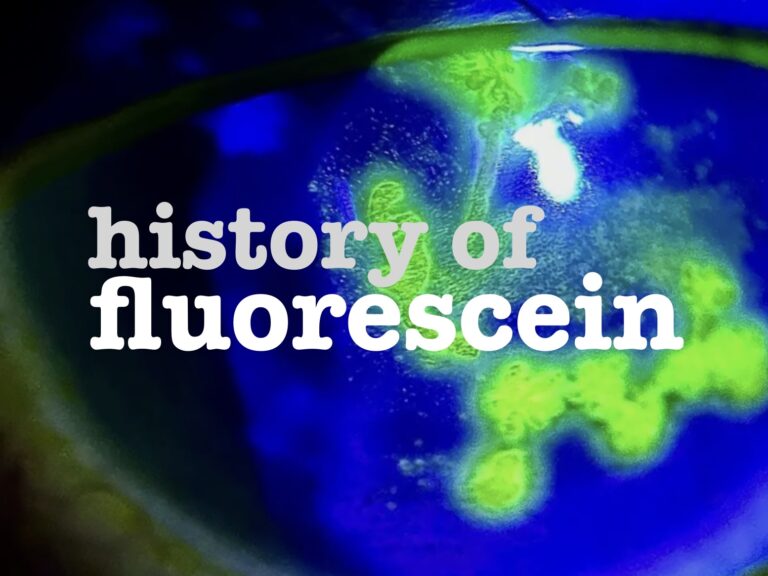
Fluorescein: history, chemistry and modern eye uses—corneal staining, Seidel leak test, Jones drainage test and retinal angiography.
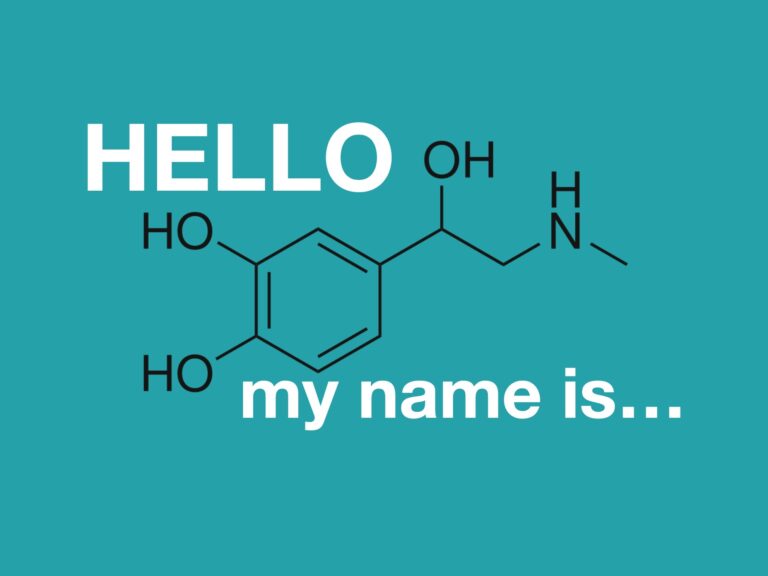
Adrenaline or epinephrine? Based on the 'usage argument'; 'historical precedent' and 'etymological derivation'...
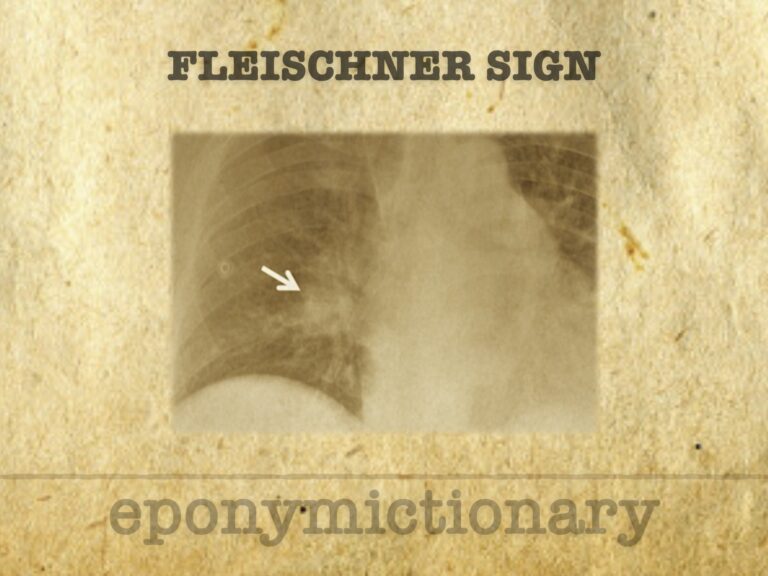
Fleischner sign: prominent central pulmonary artery enlargement in pulmonary embolism, with history, mechanism, imaging features and diagnostic relevance.

Ombrédanne–Armingeat syndrome: historical infant postoperative pallor–hyperthermia syndrome and relationship to malignant hyperthermia.
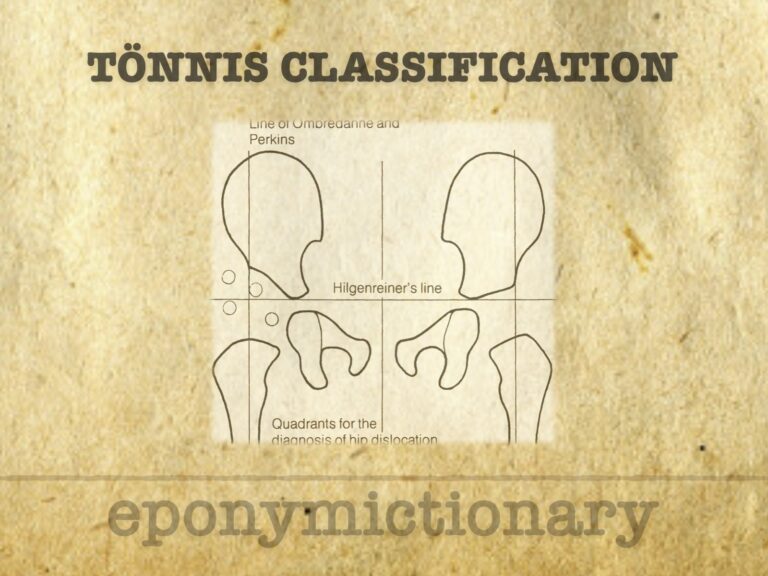
Tönnis classification for developmental hip dysplasia: radiographic grades, key landmarks, limitations, historical development and the IHDI system
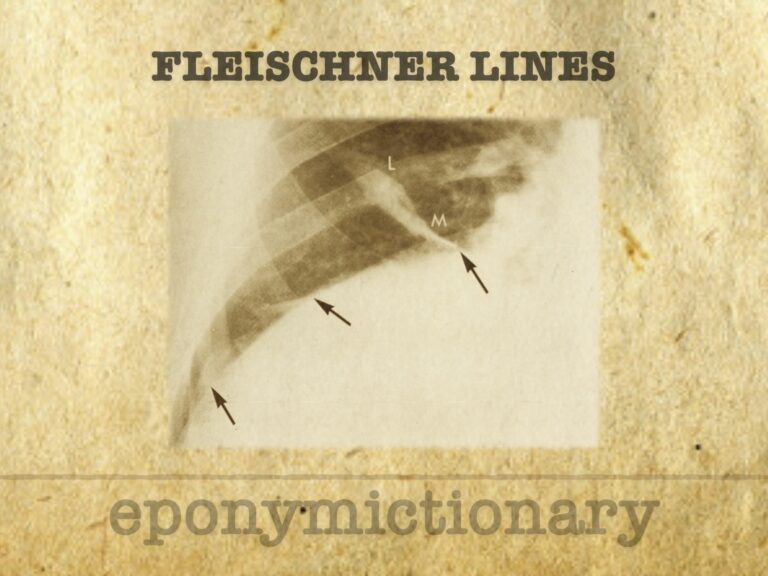
Fleischner lines: linear plate-like atelectatic opacities on chest radiograph, with historical origins, mechanism and association with pulmonary embolism.
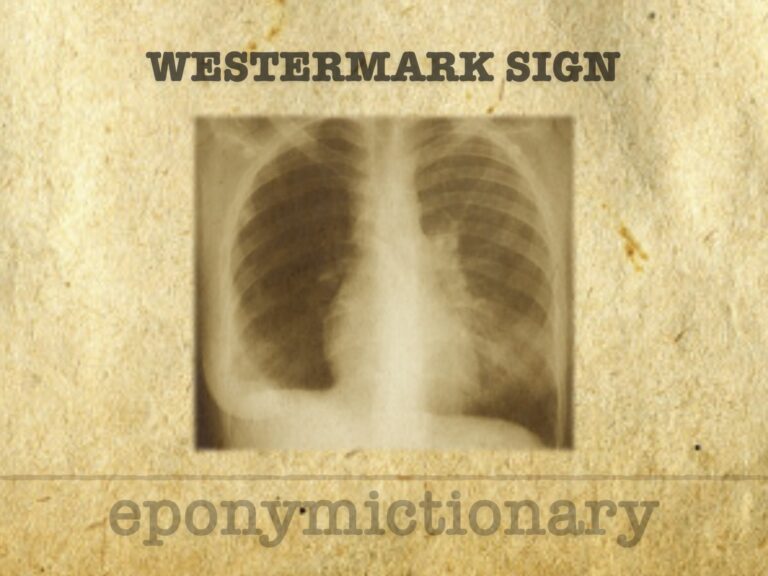
Westermark sign: regional pulmonary oligaemia on chest X-ray in pulmonary embolism, with historical origins, imaging features and modern clinical relevance.
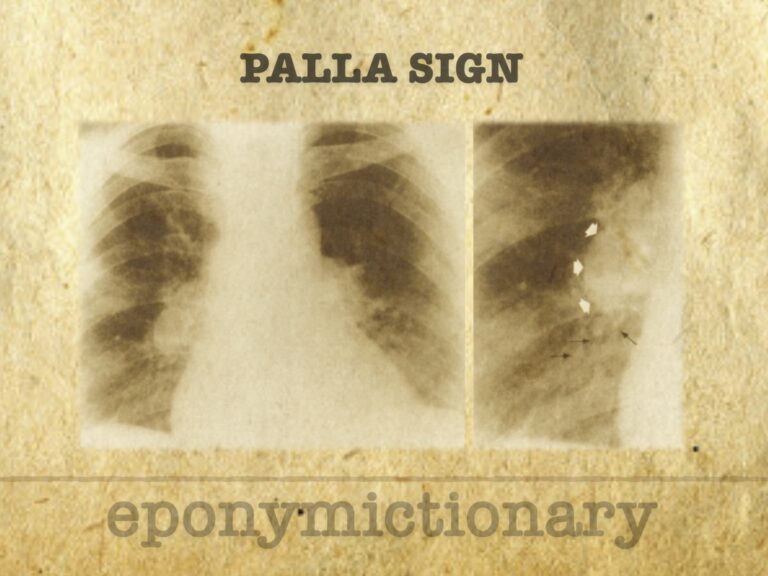
Palla sign (1983) right descending pulmonary artery enlargement and 'sausage-shaped' appearance as a potential sign of pulmonary embolism on chest XR
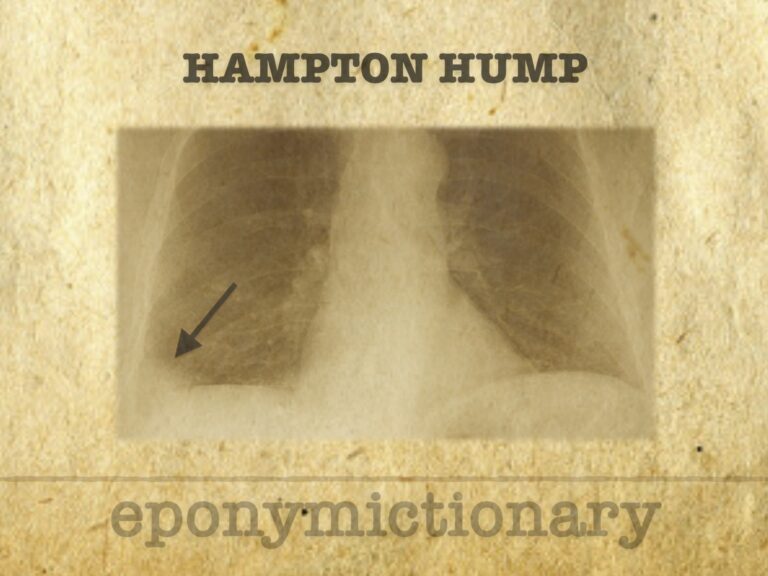
Hampton hump: pleural-based pulmonary infarction on chest X-ray, with historical origins, radiographic features, pathology and modern PE relevance.
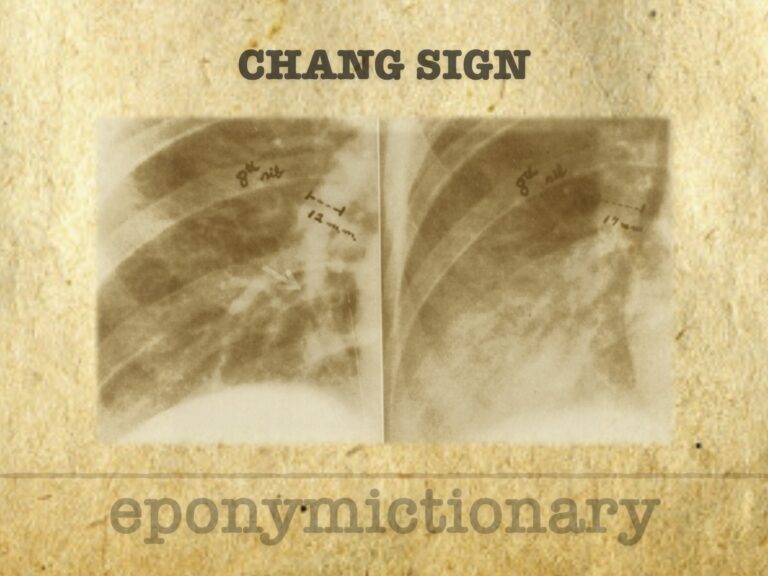
Chang sign (1965) Dilated descending pulmonary artery associated with pulmonary infarction and pulmonary hypertension following pulmonary embolism
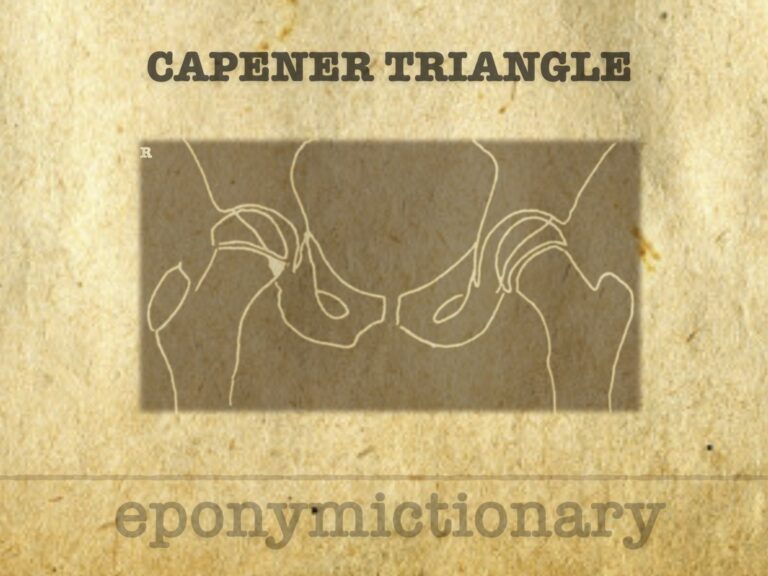
Capener triangle is an early AP radiographic sign of SCFE, showing loss of the normal triangular overlap between the femoral neck and acetabulum.