
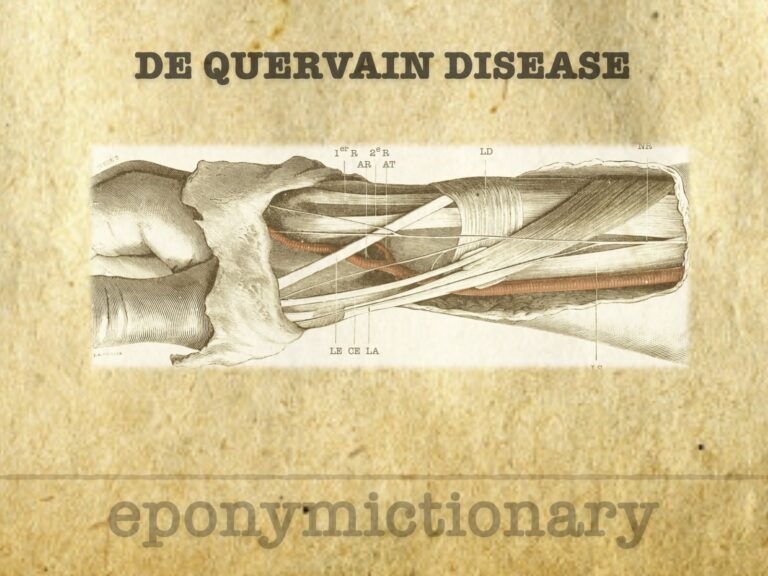
De Quervain disease
De Quervain disease: first dorsal compartment stenosing tendinopathy, history, diagnosis, Finkelstein/Eichhoff tests and treatment.


De Quervain disease: first dorsal compartment stenosing tendinopathy, history, diagnosis, Finkelstein/Eichhoff tests and treatment.
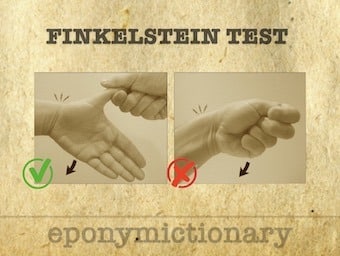
Finkelstein test: original manoeuvre for de Quervain disease, Eichhoff confusion, false positives, Brunelli and WHAT variants.

Alfred Velpeau (1795-1867), French surgeon and anatomist. Velpeau bandage, projection, quadrilateral space, and leukaemia
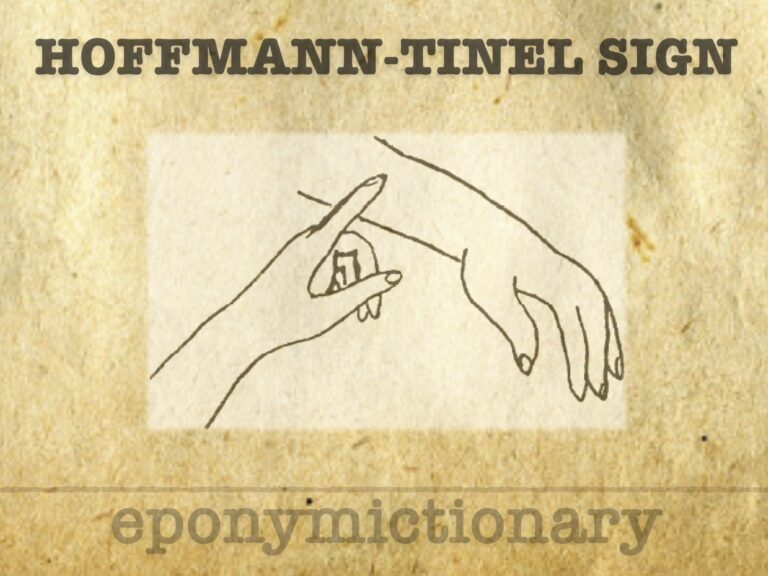
Hoffmann-Tinel sign is paresthesia in the distal cutaneous distribution of an injured peripheral nerve evoked by tapping on the nerve more proximally.

Edward Hallaran Bennett (1837-1907) Irish surgeon. Bennett fracture: Two-part intra-articular thumb fracture base of first metacarpal
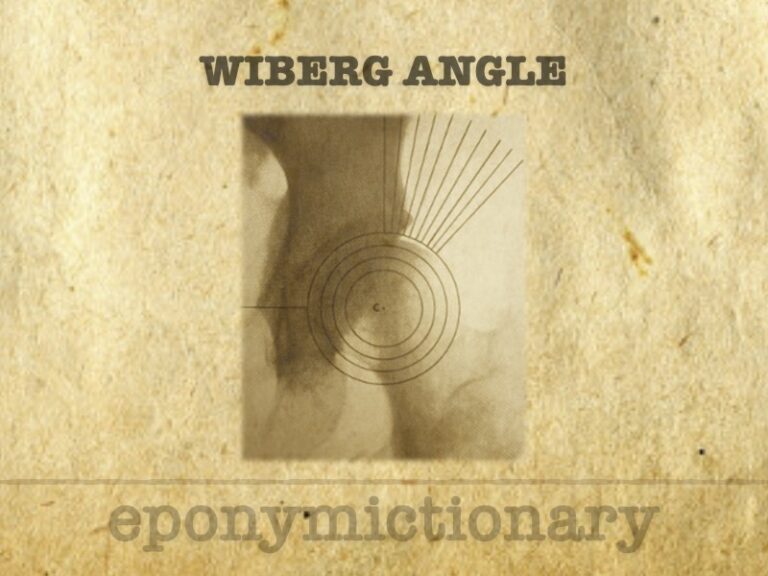
Centre-edge angle of Wiberg measures lateral acetabular coverage. Review the original 1939 method, later modifications, normal values and definition drift.
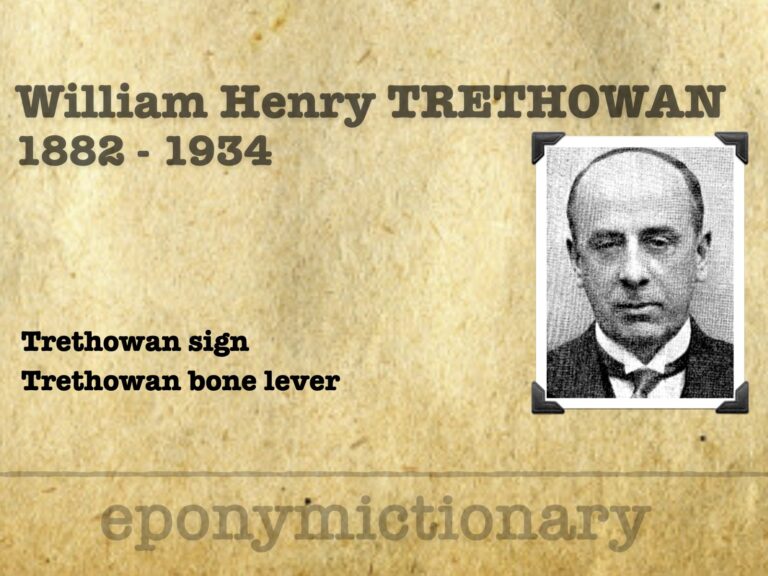
William Henry Trethowan (1882-1934), British orthopaedic surgeon known for fracture surgery, bone grafting, foot surgery and the historical Trethowan sign
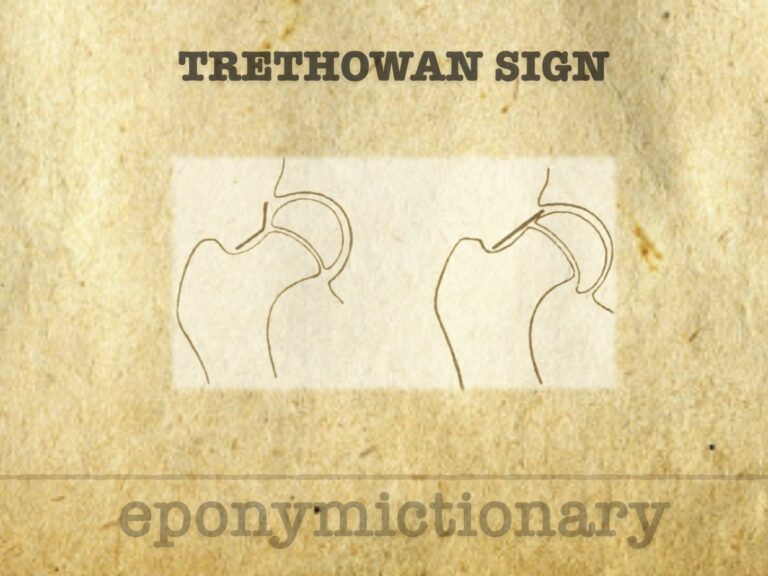
Trethowan sign is a historical SCFE radiographic sign linked to William Henry Trethowan. Review its uncertain origin, evolving definition and relation to Klein line.
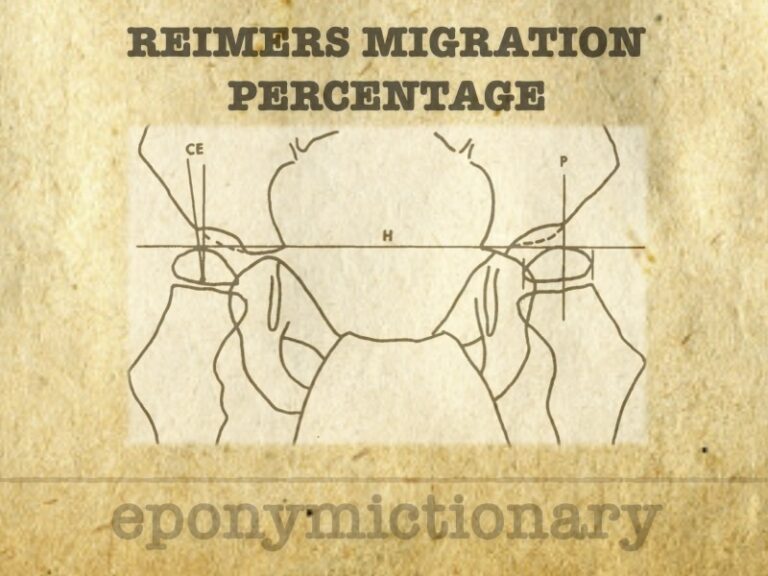
Reimers migration percentage quantifies lateral hip displacement in children. Review the original 1980 method, Perkins line, modern variants and clinical use.
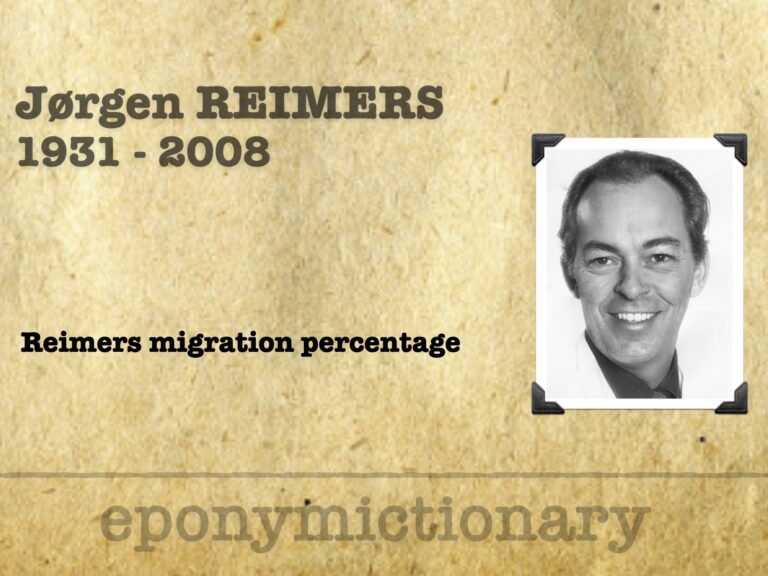
Jørgen Reimers (1931-2008), Danish paediatric orthopaedic surgeon. Reimers migration percentage for surveillance of hip displacement in cerebral palsy.
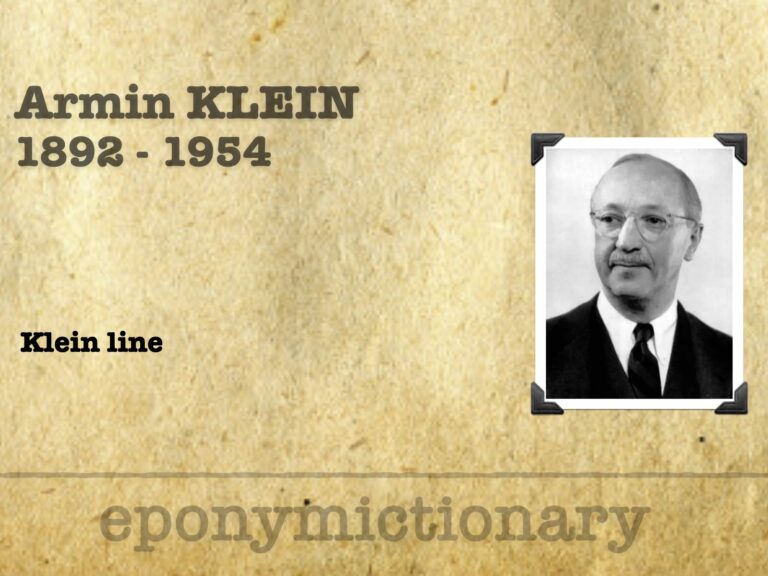
Armin Klein (1892–1954), American orthopaedic surgeon known for Klein line and work on slipped capital femoral epiphysis, scoliosis and paediatric orthopaedics.
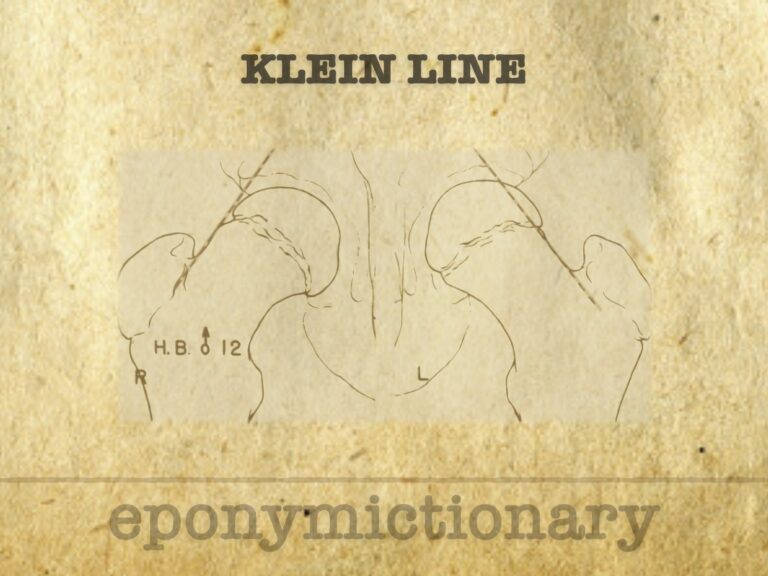
Klein line is an AP hip radiographic sign used in suspected SCFE. Review the original description, modern interpretation, limitations and modified Klein line.