
COVID-19 Resources
The COVID-19 resource pack you need to keep up with the constant stream of new variants, new research, and changing guidelines!


The COVID-19 resource pack you need to keep up with the constant stream of new variants, new research, and changing guidelines!
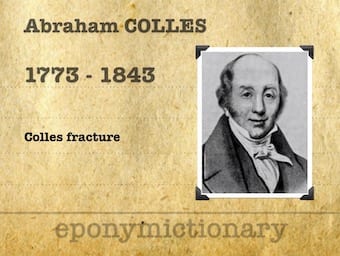
Abraham Colles (1773 - 1843) was an Irish surgeon and anatomist. Eponym: Colles Fracture (1814) distal radius/ulna fracture

A 30 year old woman who is currently 30 weeks gestation presents to the ED with abrupt, severe right loin pain.

A 66-year-old lady presents with left sided facial droop and hemiparesis, headache and vomiting. A CT stroke series is performed
A 57-year-old woman presented to the emergency department with fevers, cough and night sweats and recent weight loss.

André Frédéric Cournand (1895 – 1988) was a French physician and physiologist. Awarded the Nobel Prize for detailing heart catheterization
Network Five Emergency Medicine Journal Club Episode 30 reviewing updates on paediatric wheeze management with paediatric respiratory and sleep specialist Dr Chetan Pandit!
A 92-year-old man presented to emergency with abdominal pain, vomiting and fever. He had been experiencing 24 hours of abdominal pain
Bryant’s sign: Scrotal ecchymosis associated with ruptured abdominal aortic aneurysm (AAA) first described in 1903 by John Henry Bryant (1867-1906)
A 40-year-old female, presents with headache and abrupt left sided visual disturbance. She has a history of T2DM and hypertension.
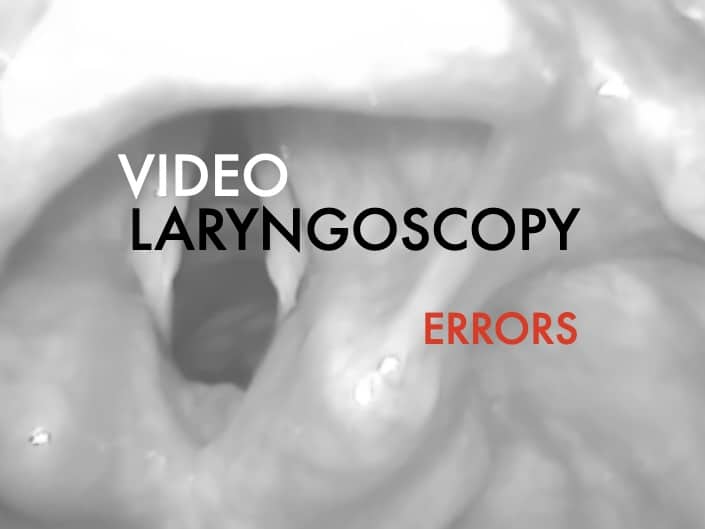
Performance errors in video laryngoscopy: Compare SGVL and HAVL taxonomies, common pitfalls, and how structured review improves airway feedback.
A 50-year-old woman presents with 3 days of frank haematuria and left loin pain. She had a fall 1 week prior to her presentation.