
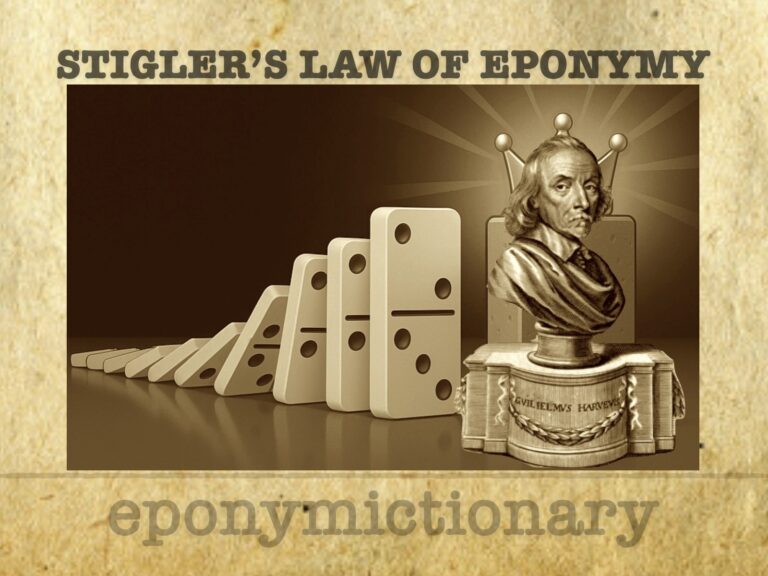
Stigler’s Law of Eponymy
Stigler’s Law of Eponymy: no discovery is named after its true originator. Explore its history, Merton’s roots, and modern scientific misattribution.

Stigler’s Law of Eponymy: no discovery is named after its true originator. Explore its history, Merton’s roots, and modern scientific misattribution.

Out-Sleep the Competition. The 80/20 Guide to Owning the Night. We work against biology. Against light. Against clock time.
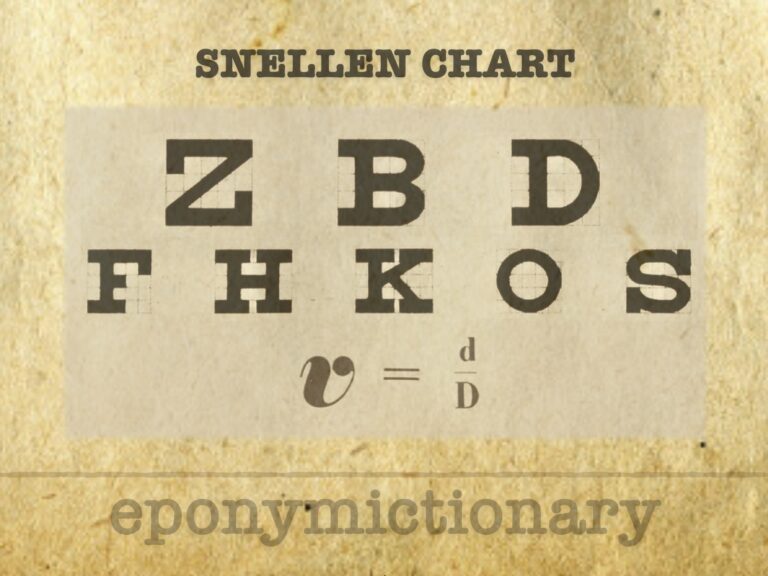
Snellen chart: history of visual acuity testing from Hooke to ETDRS, with key milestones, optotype design, and contributions from Snellen, Donders, Sloan
Critical Care SimCase 001: febrile patient with severe hypoxaemia and acidaemia. Work through ventilator setup, escalation, and troubleshooting.
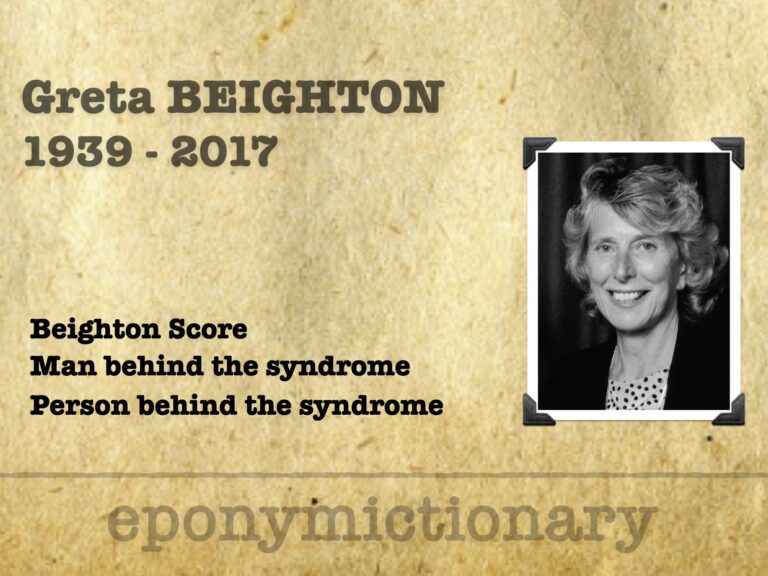
Greta Beighton (1939–2017), English nurse and genetic researcher who co-developed the Beighton Score for joint hypermobility and contributed to clinical genetics in South Africa.
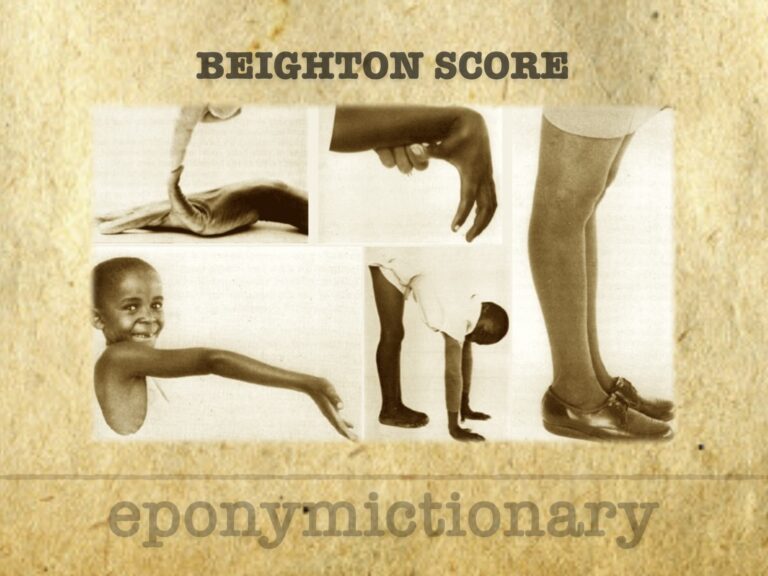
The Beighton Score is a simple, numerical index which is used to express the range and severity of joint movements in normal and affected persons.
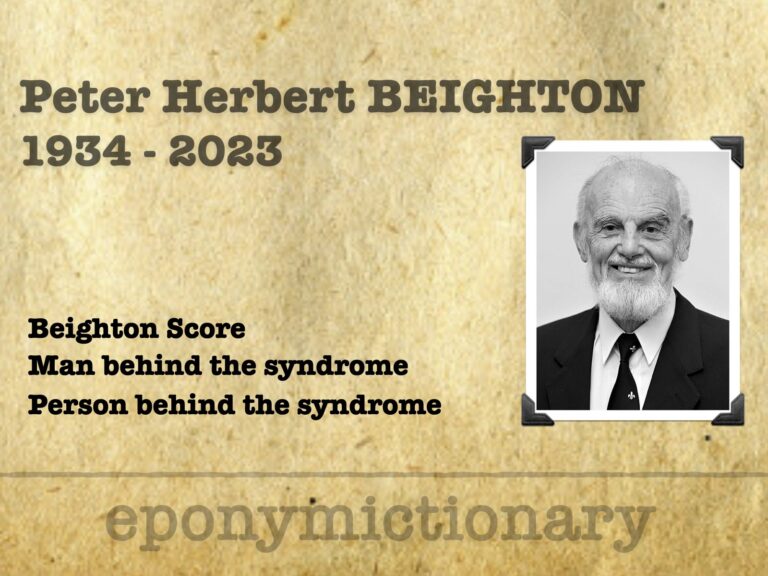
Peter Beighton (1934–2023) was a clinical geneticist known for research on inherited skeletal disorders and co-developing the Beighton Score for joint hypermobility.
Out-Sleep the Competition. The Top ten tips to attain the 80/20 of elite sleep. The Pareto Principle for peak performance.
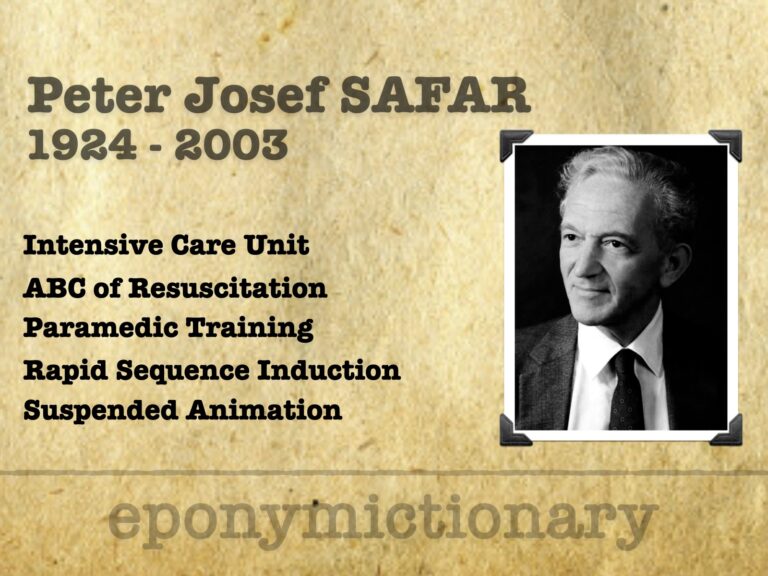
Peter Safar (1924–2003), father of modern resuscitation, pioneered CPR, ICUs, paramedic training, and therapeutic hypothermia.
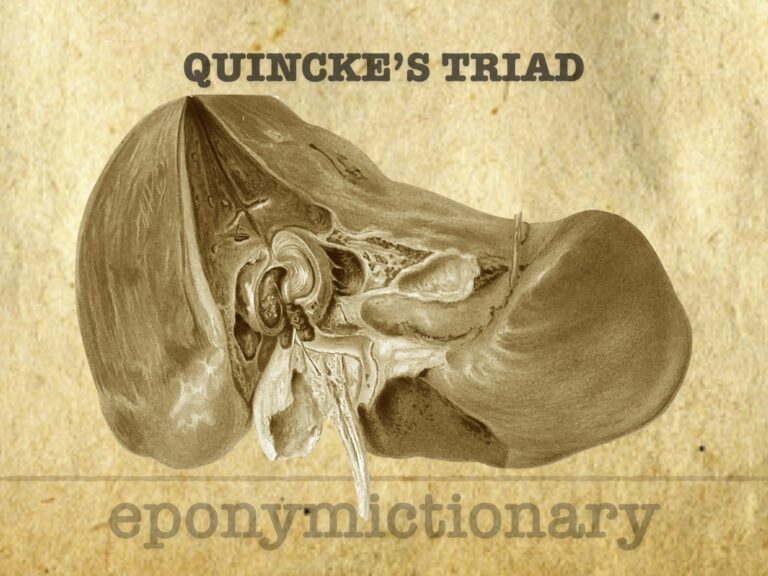
Quincke's Triad describes hemobilia via the triad of GI bleeding, biliary colic, and jaundice; first detailed by Heinrich Quincke in 1871, named retrospectively in 1975
In the tricky fifth episode of POCUS Physics, we take a look at the top 10 ultrasound artefacts. With the help of an Olympic swimming pool, a dry Martini, and a bubble magician.
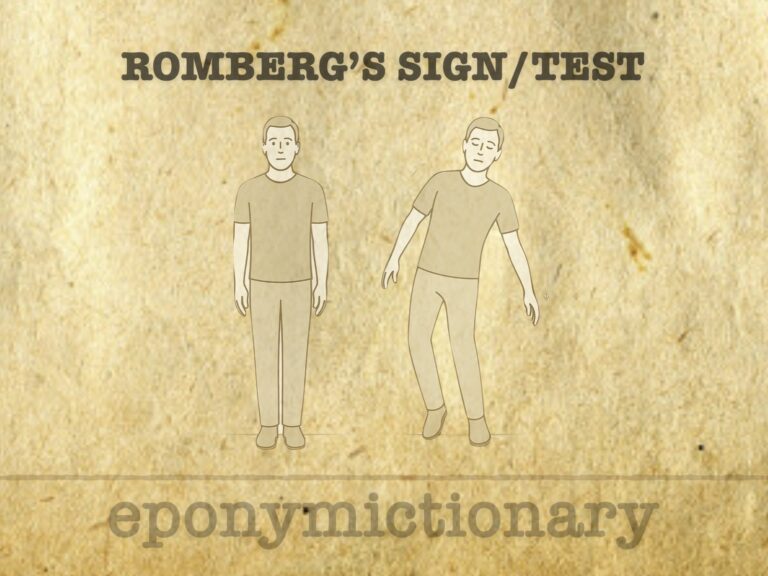
Romberg’s sign: a classic neurological test detecting proprioceptive loss by demonstrating postural instability with eyes closed.