
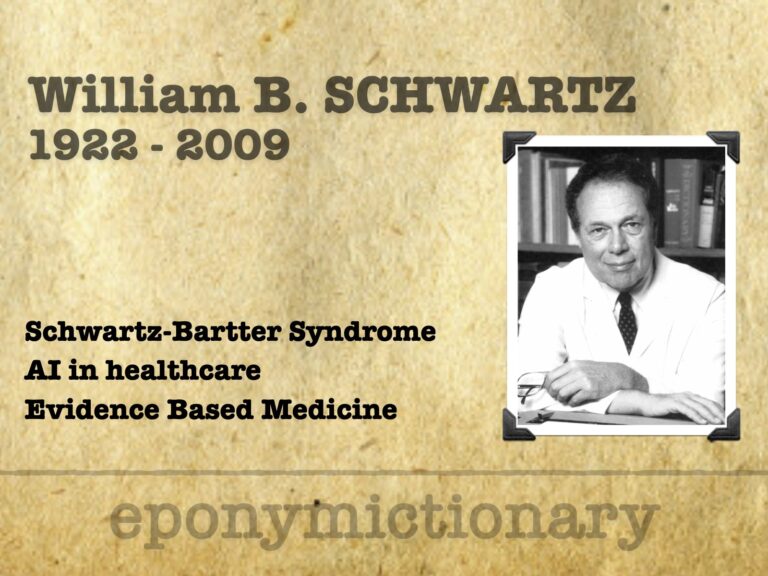
William B. Schwartz
William B. Schwartz (1922–2009) American nephrologist. Co-described SIADH, pioneered decision theory, medical AI, and ethical health care rationing.

William B. Schwartz (1922–2009) American nephrologist. Co-described SIADH, pioneered decision theory, medical AI, and ethical health care rationing.
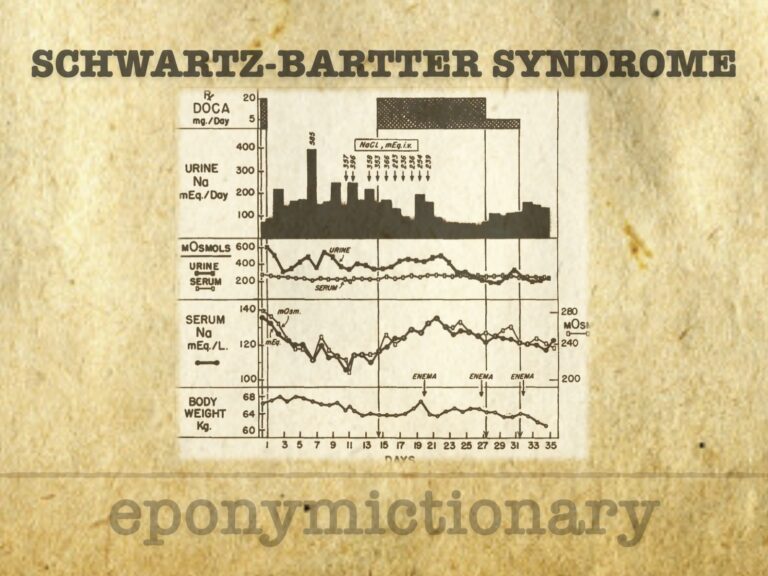
Schwartz-Bartter Syndrome (SIADH): Excess ADH leads to water retention and dilutional hyponatraemia, with low serum sodium and osmolality but inappropriately concentrated urine.
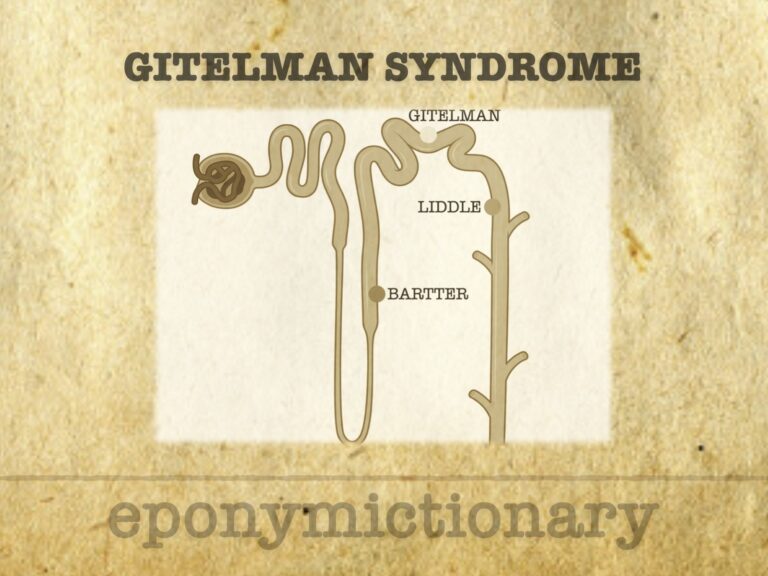
Gitelman Syndrome: Inherited defect in Na⁺-Cl⁻ cotransport in the distal tubule, causing hypokalaemia, alkalosis, hypomagnesaemia, and hypocalciuria—thiazide-like effect.
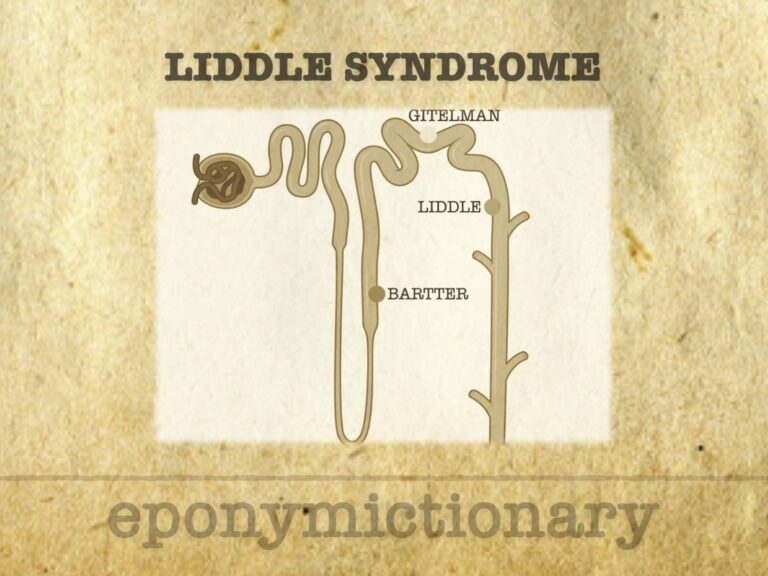
Liddle Syndrome: Monogenic hypertension due to ENaC overactivity in the collecting duct. Causes sodium retention, hypokalaemia, low renin and aldosterone—pseudo-aldosteronism.
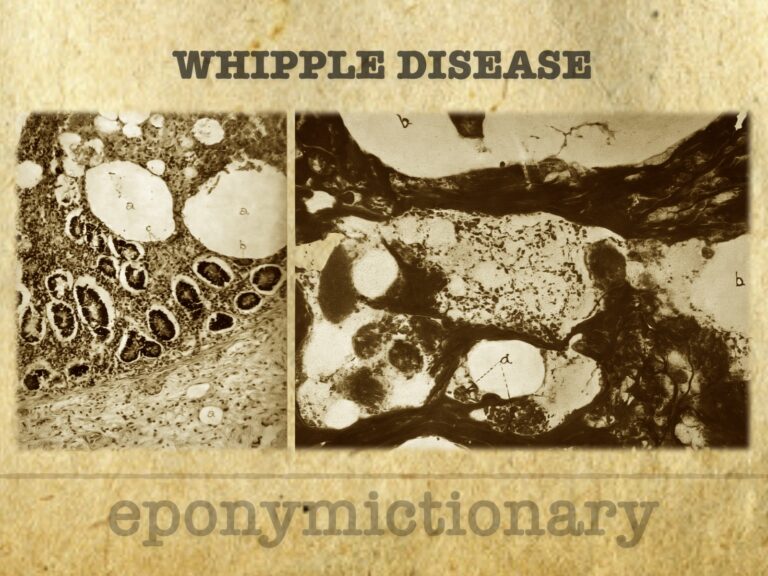
Whipple disease: rare systemic infection by Tropheryma whipplei. Explore its history, diagnosis, and treatment from 1907 discovery to present day
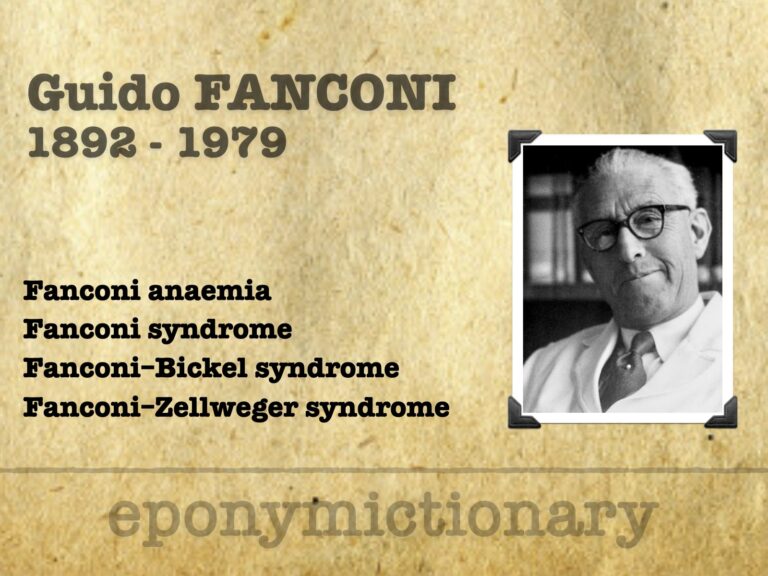
Swiss paediatrician Guido Fanconi (1892–1979) defined Fanconi anaemia and Fanconi syndrome, shaping modern paediatrics and medical genetics.
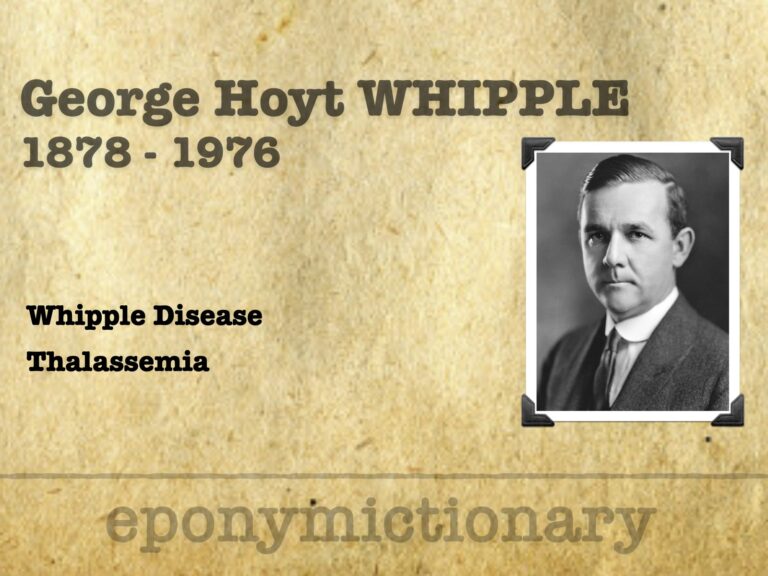
George Hoyt Whipple (1878–1976), Nobel winner, advanced anaemia therapy, coined thalassaemia, and described Whipple disease in 1907.
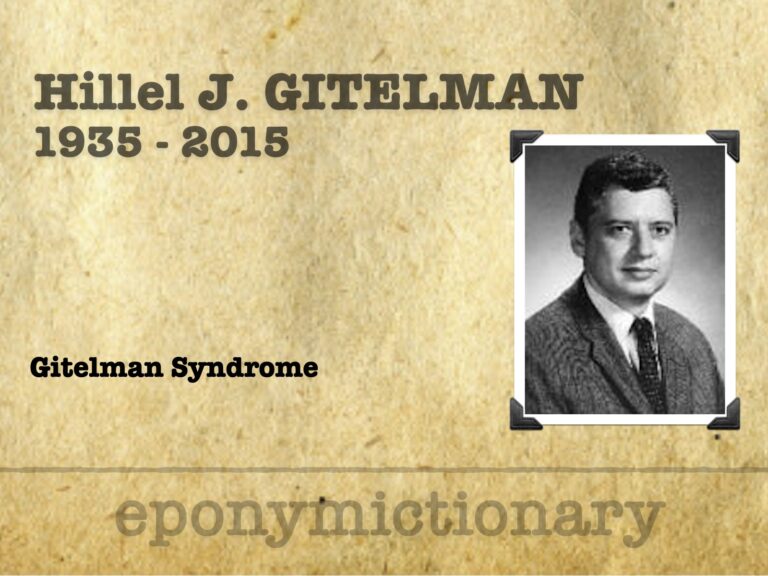
Hillel J. Gitelman (1932–2014) American nephrologist. Described Gitelman syndrome, a renal tubulopathy mimicking thiazide effect with hypokalaemia and hypomagnesaemia.
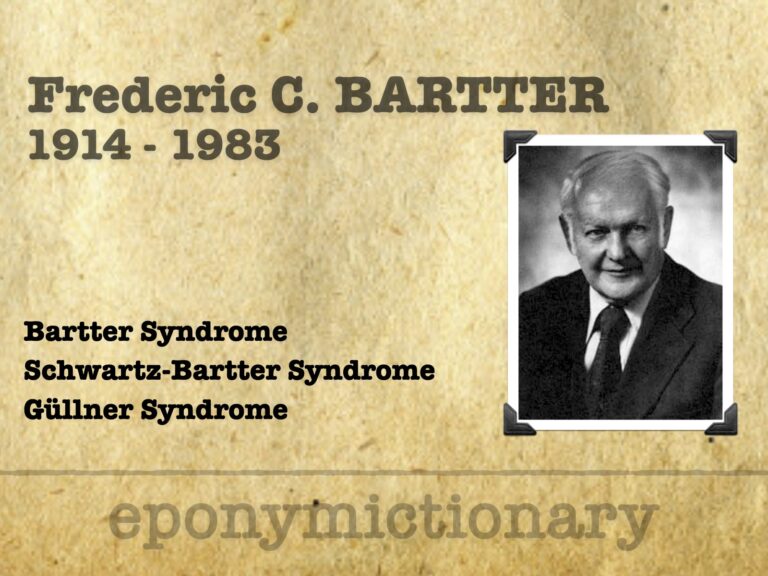
Frederic Crosby Bartter (1914–1983) American endocrinologist. Defined Bartter syndrome, co-described SIADH, and advanced adrenal and renal physiology.
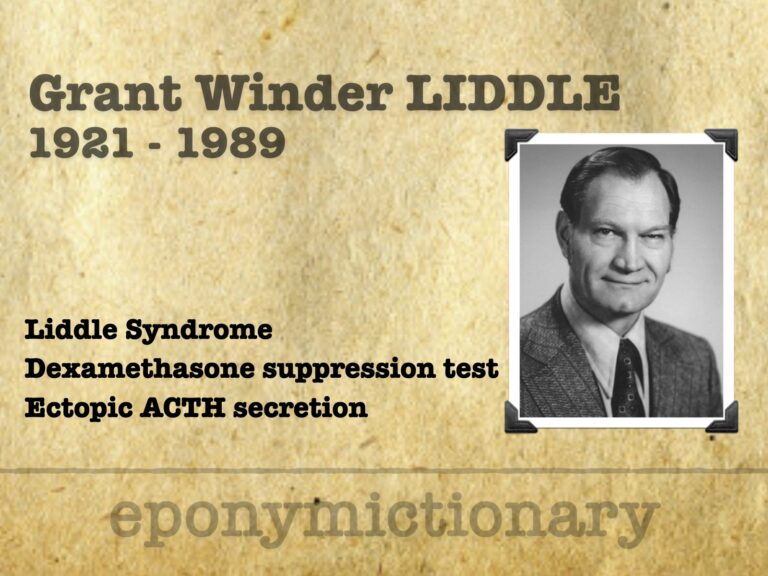
Grant Winder Liddle (1921-1989) American endocrinologist. Pioneer of endocrine diagnostics; discovered Liddle syndrome, developed suppression tests, and defined ectopic ACTH
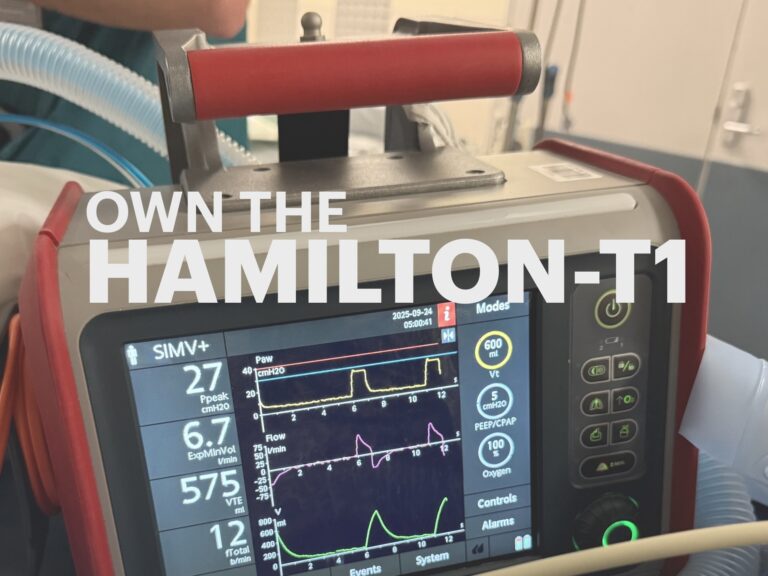
Hamilton T1 paediatric/neonatal ventilation cards: SIMV+, NIV, nCPAP strategies with weight-based titration and troubleshooting guidance.
Hamilton T1 adult/paediatric ventilation cards: SIMV+, NIV, ASV strategies with settings, titration and troubleshooting for critical care.