
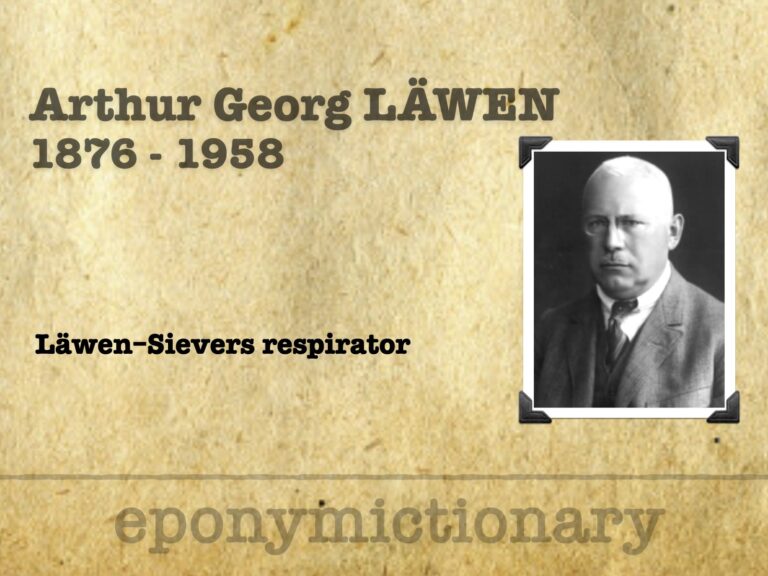
Arthur Läwen
Arthur Georg Läwen (1876–1958), German surgeon. Anaesthesia pioneer sacral/extradural anaesthesia, paravertebral block, novocaine, curare and artificial ventilation.


Arthur Georg Läwen (1876–1958), German surgeon. Anaesthesia pioneer sacral/extradural anaesthesia, paravertebral block, novocaine, curare and artificial ventilation.
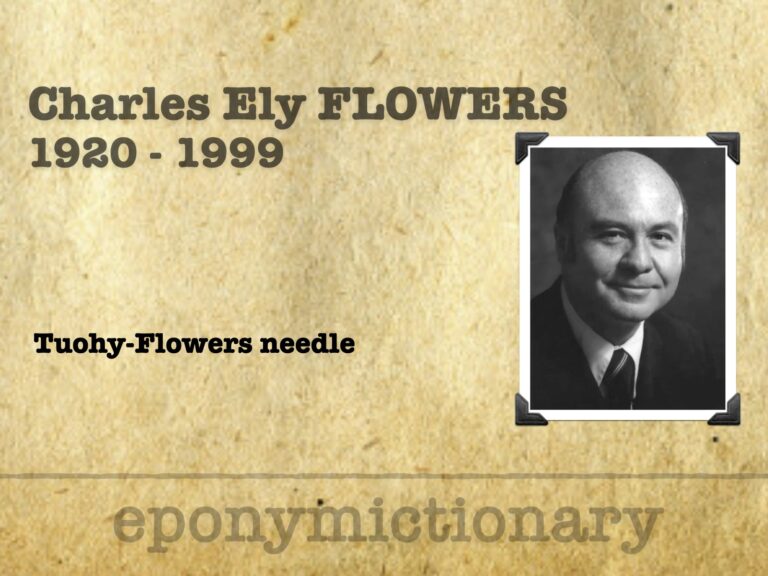
Charles Ely Flowers Jr (1920-1999). American obstetrician-gynaecologist linked to continuous peridural anaesthesia and the Tuohy–Flowers epidural needle
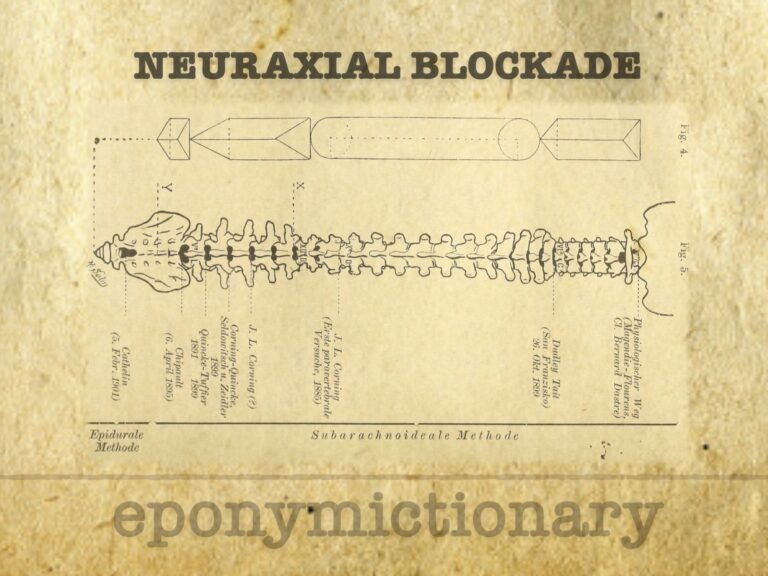
History of neuraxial anaesthesia: milestones in spinal and epidural blockade from Koller and Corning to Quincke, Bier, Tuohy and Curbelo.
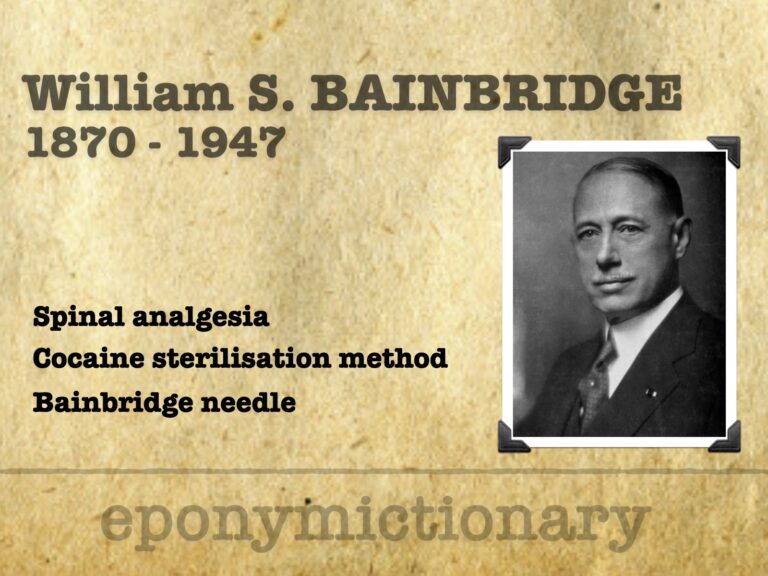
William Seaman Bainbridge (1870-1947), American surgeon, cancer educator, naval physician and early advocate of spinal analgesia in children.
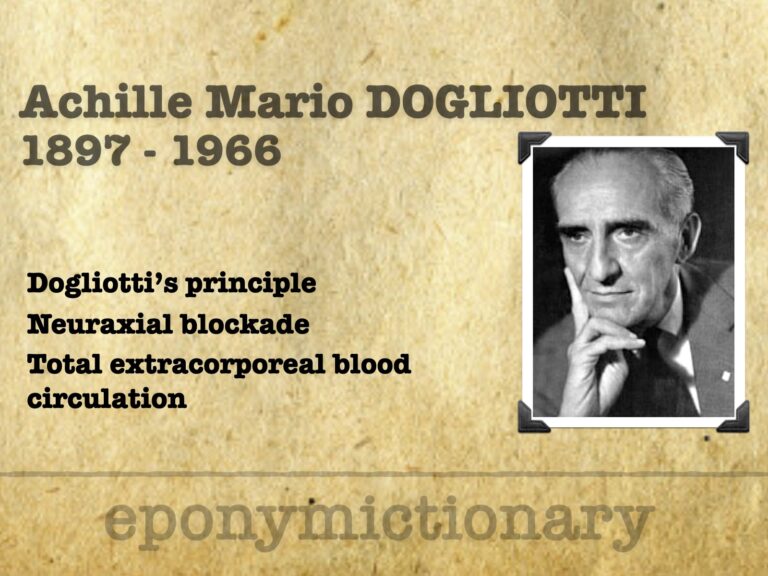
Achille Mario Dogliotti (1897-1966), Italian surgeon. Pioneer of epidural anaesthesia (Dogliotti’s principle), pain therapy, cardiac surgery, and total extracorporeal blood circulation
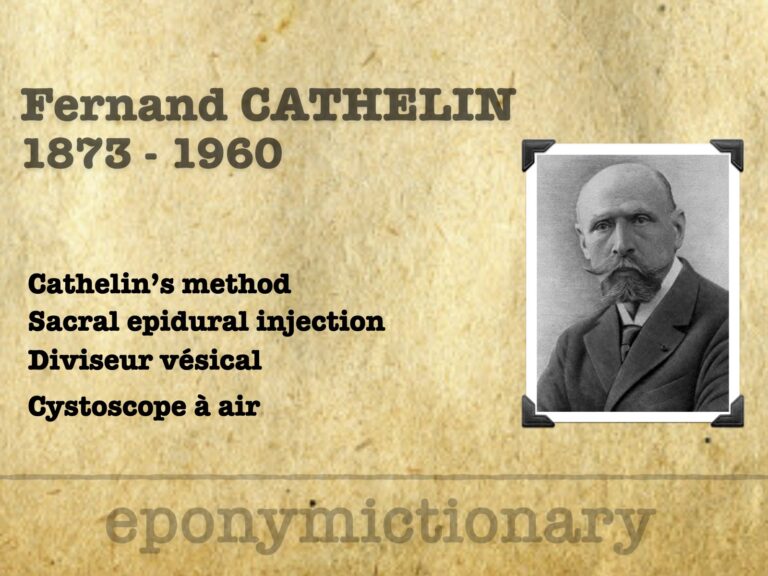
Fernand Cathelin (1873–1960), Paris urologist who pioneered caudal epidural anaesthesia (Cathelin’s method) and designed the urine-divider and air cystoscope.

Théodore Tuffier (1857–1929): Paris surgeon and innovator; thoracic/cardiac pioneer, early open-chest massage, valve experiments, spinal anaesthesia and Tuffier’s line.
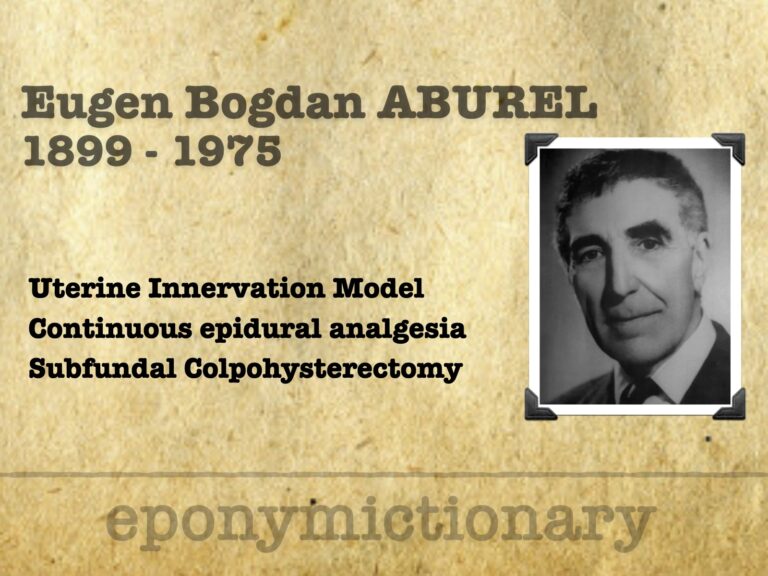
Eugen Bogdan Aburel (1899-1975), Romanian obstetrician and gynaecologist. Pioneer of continuous epidural analgesia, and fertility-sparing cancer surgery
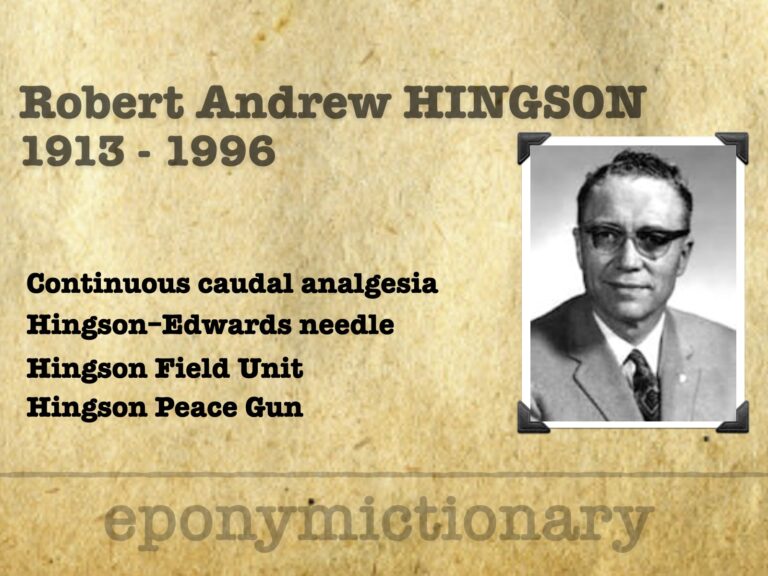
Robert Andrew Hingson (1913-1996), American anesthesiologist, pioneer of continuous epidural analgesia; Hingson Peace Gun; humanitarian mass vaccination programs.
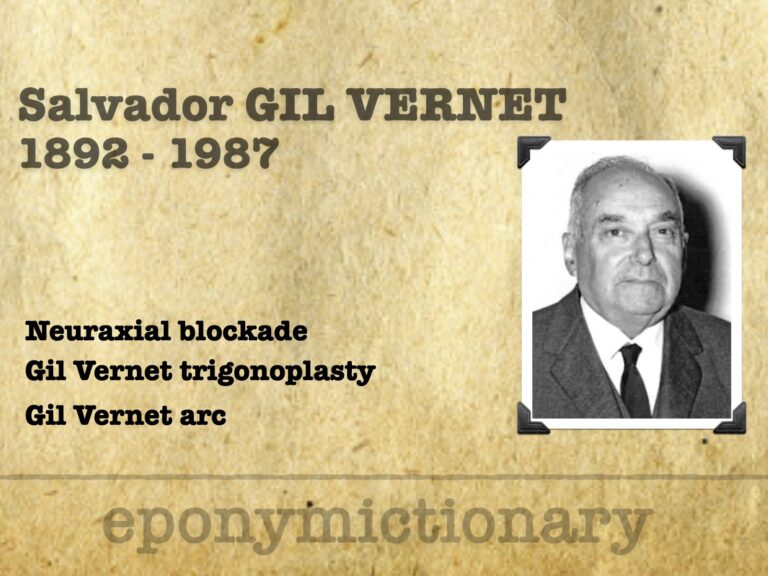
Salvador Gil Vernet (1892-1987), Spanish urologist. pioneer of functional pelvic anatomy, prostate zonal theory, continence mechanisms and anatomy-led urological surgery.
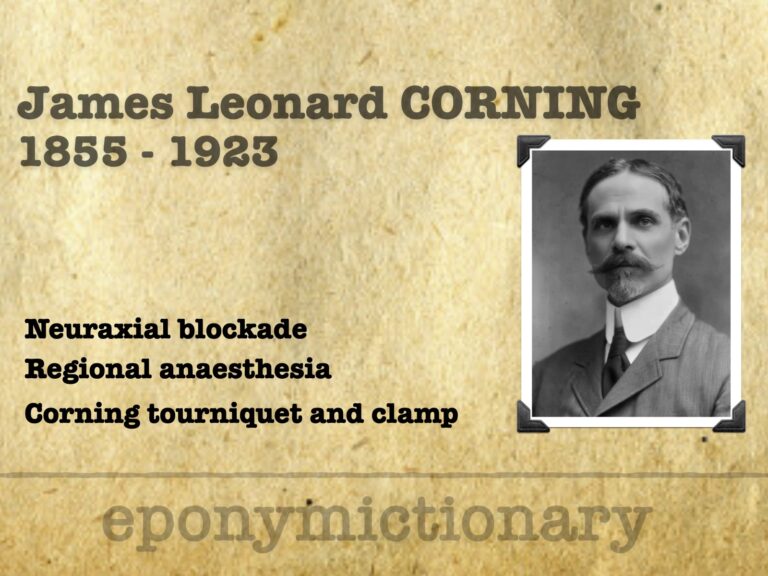
James Leonard Corning (1855 - 1923) was an American neurologist. Epidural block (1885); Regional anaesthesia (1885)
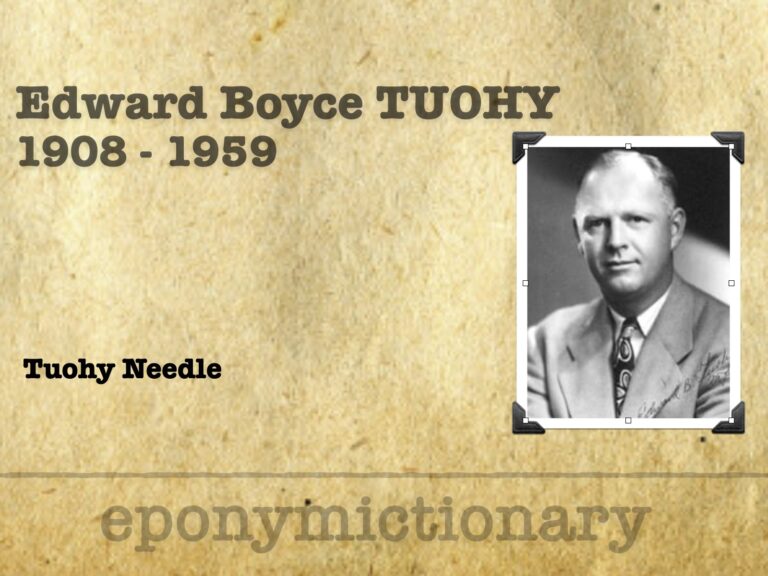
Edward Boyce Tuohy (1908 – 1959) American anaesthesiologist. Best known for contribution to continuous epidural anaesthesia; Tuohy needle