
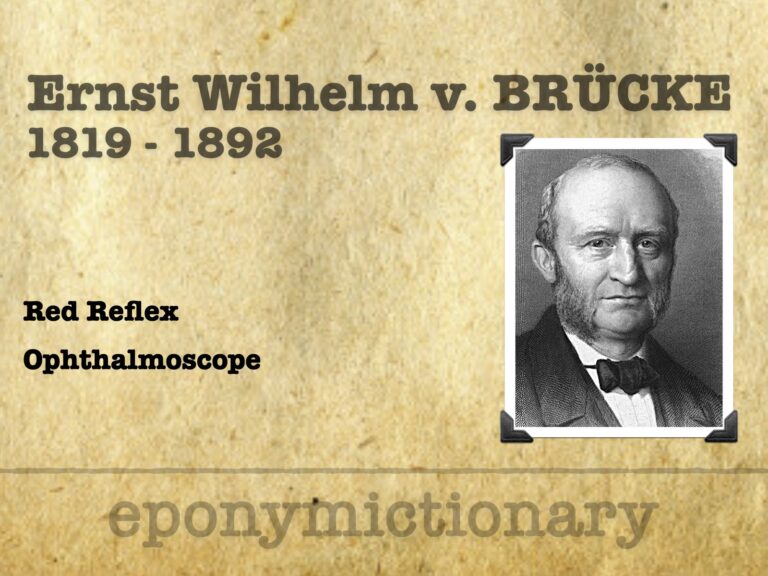
Ernst Brücke
Ernst von Brücke (1819–1892) described the eye’s red reflex, paving the way for Helmholtz’s ophthalmoscope and modern retinal examination

Ernst von Brücke (1819–1892) described the eye’s red reflex, paving the way for Helmholtz’s ophthalmoscope and modern retinal examination

Franciscus Donders (1818–1889), Dutch ophthalmologist and physiologist, pioneered refraction studies, eye movement laws, and mental chronometry
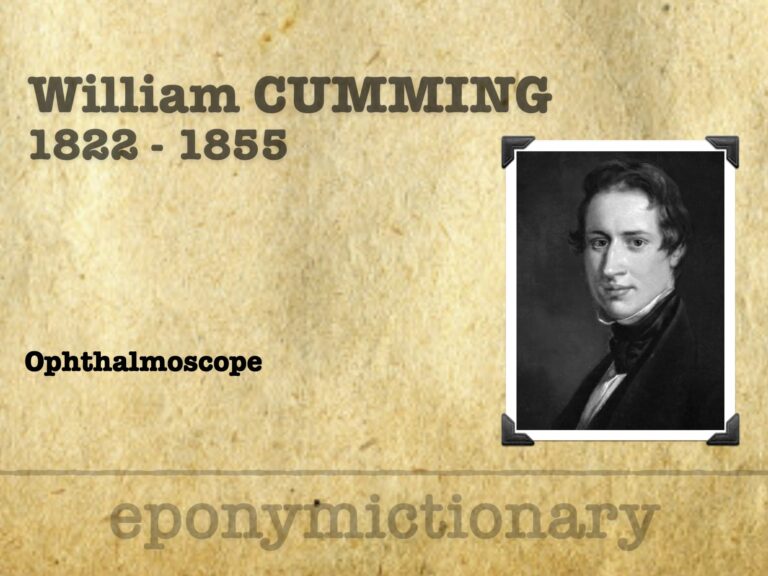
William Cumming (1822–1855), Moorfields surgeon who first observed the living eye’s luminous reflex, paving the way for Helmholtz’s ophthalmoscope.

Heinrich Küchler (1811–1873): German ophthalmologist who pioneered early eye charts, advanced corneal surgery, and reformed medical and military health services

Eduard Jaeger (1818–1884), Austrian ophthalmologist; introduced Jaeger Test-Types, advanced ophthalmoscopy, and first described diabetic retinopathy
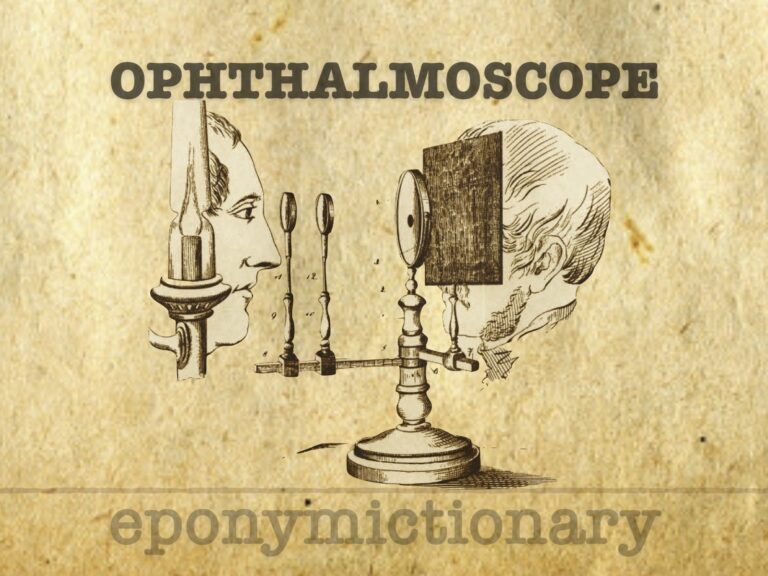
From ancient “cat’s‑eye” reflections to AI‑assisted retinal imaging: the story of the ophthalmoscope from Helmholtz’s 1851 Augenspiegel to digital, confocal and smartphone‑based system

Louise L. Sloan (1898–1982) developed Sloan optotypes (LogMAR), pioneering colour vision screening, perimetry, and low-vision rehabilitation
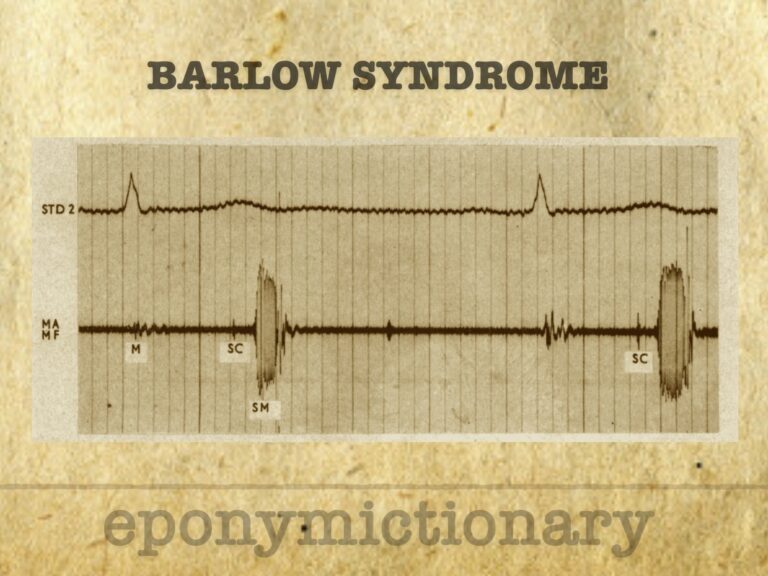
Barlow syndrome (primary billowing mitral leaflet syndrome (BMLS)). Auscultatory findings of late systolic murmur with non-ejection ('mid-late') systolic click
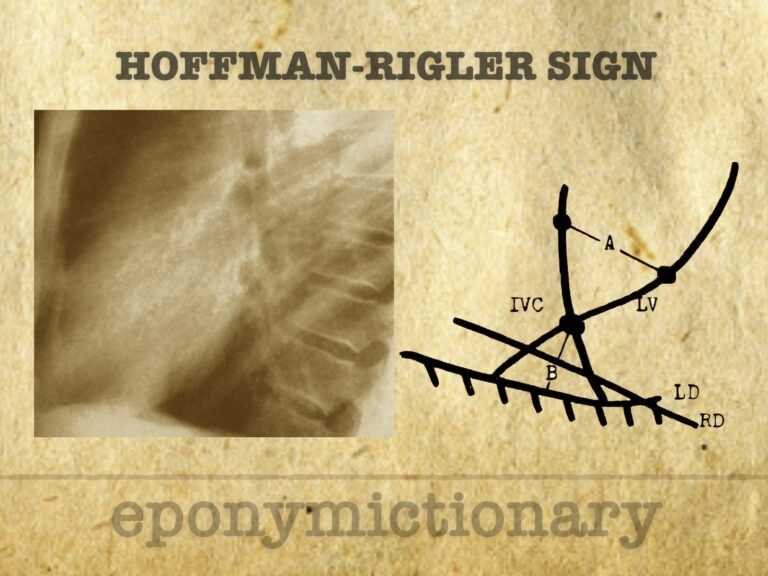
Radiographic sign of left ventricular enlargement on lateral chest X-ray, based on LV extension behind the IVC; described by Hoffman and Rigler in 1965

Rigler notch sign: Indentation in the border of a solid lung mass (thought to represent a feeding vessel) suggestive of a bronchial carcinoma

Rigler triad; Imaging findings in patients with gallstone ileus with an ectopic gallstone causing small bowel obstruction, and pneumobilia
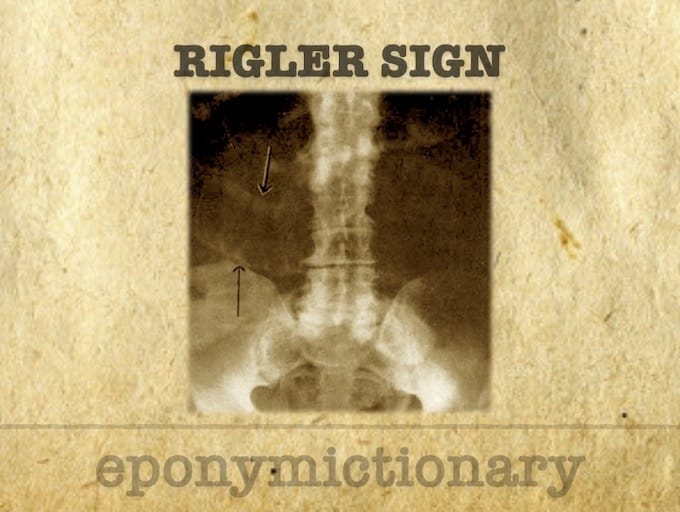
Radiological signs of pneumoperitoneum: history, diagnosis, and key eponyms including Rigler’s sign, Popper’s sign, football sign, and inverted V sign