
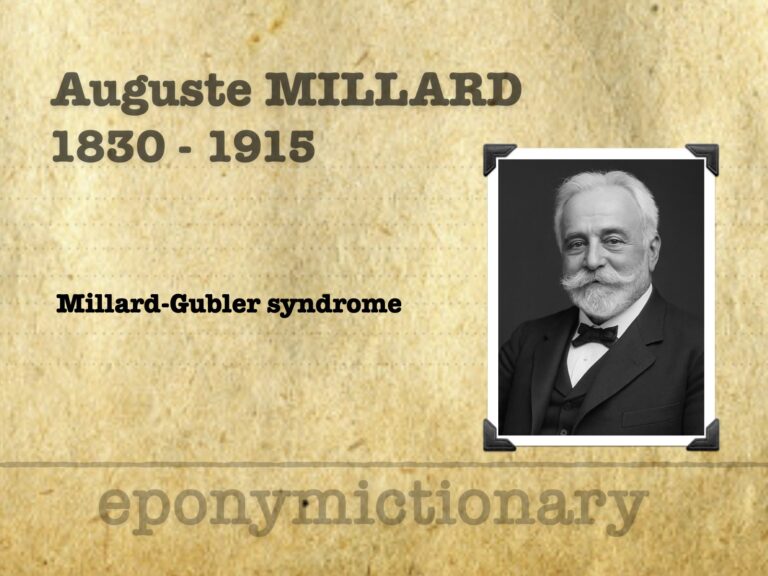
Auguste Millard
Auguste Louis Jules Millard (1830-1915) was a French physician. Millard-Gubler syndrome (1856). Master educator and physician

Auguste Louis Jules Millard (1830-1915) was a French physician. Millard-Gubler syndrome (1856). Master educator and physician
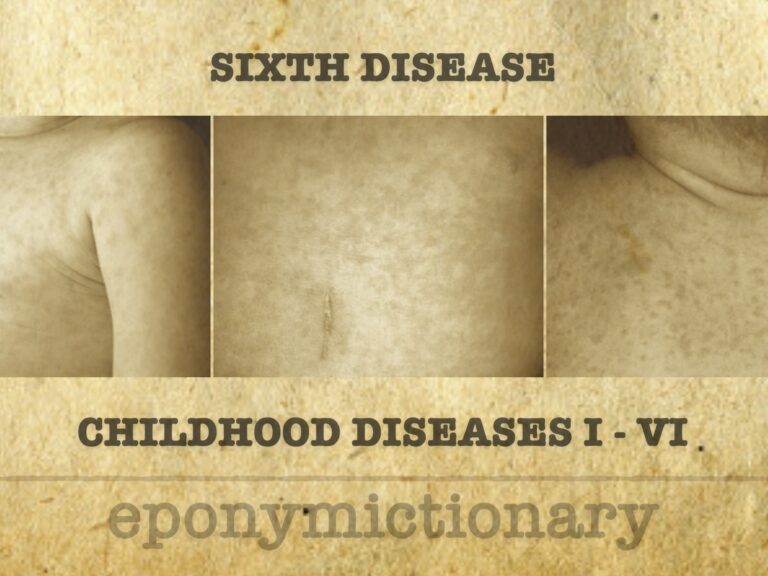
Common viral illness in infants caused by HHV-6. Roseola presents with high fever followed by sudden rash; also known as sixth disease or exanthem subitum.
Filatov-Dukes disease, or fourth disease, was a proposed childhood exanthem now largely dismissed as a misclassification of rubella or scarlet fever.
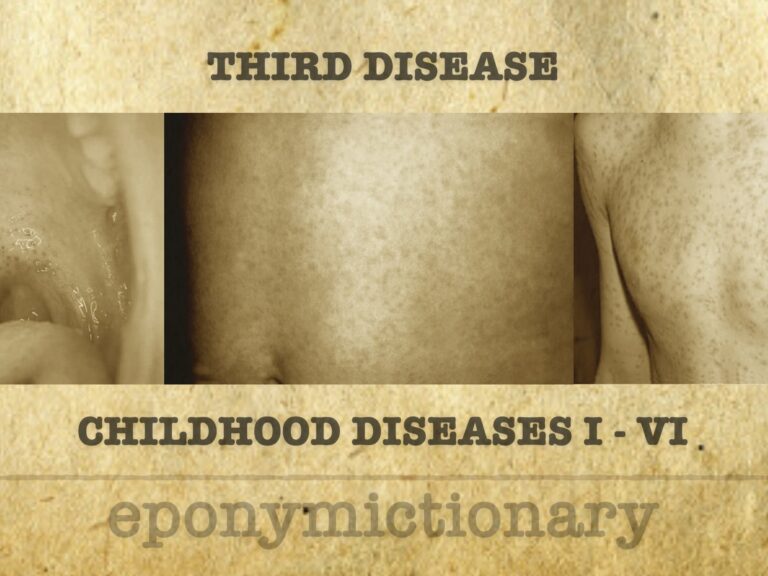
Mild viral exanthem in children; dangerous in pregnancy. Rubella causes rash and lymphadenopathy, with congenital infection leading to CRS.
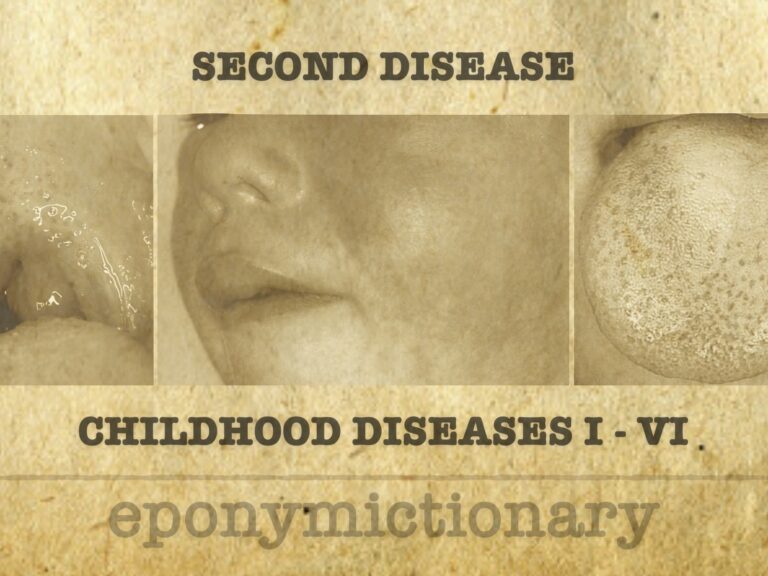
Scarlet fever (second disease). Contagious GABHS infection in kids under 10 with sore throat or rash; caused by S. pyogenes strains producing erythrogenic toxin.
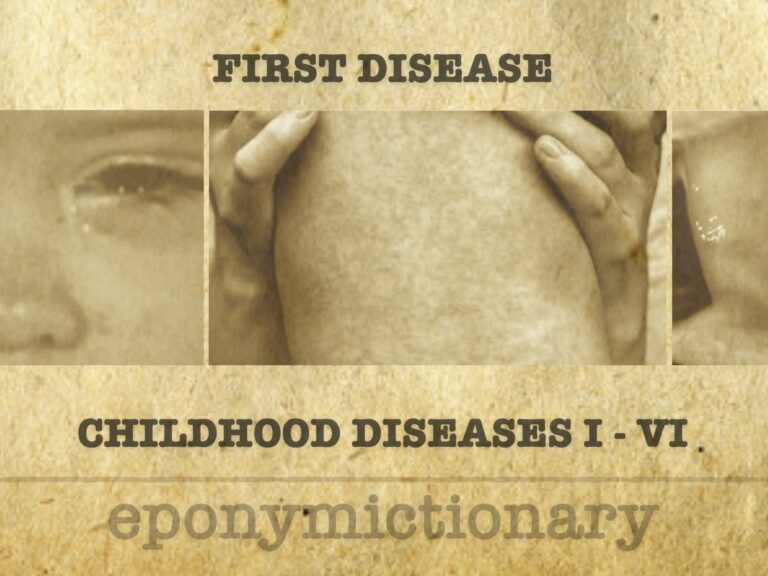
Measles (First Disease): classic childhood exanthem caused by Morbillivirus, with high infectivity, pathognomonic signs, and vaccine-preventable
Clement Dukes (1845–1925), English physician and school health reformer, proposed "Dukes' disease" and transformed adolescent medical care in public schools.
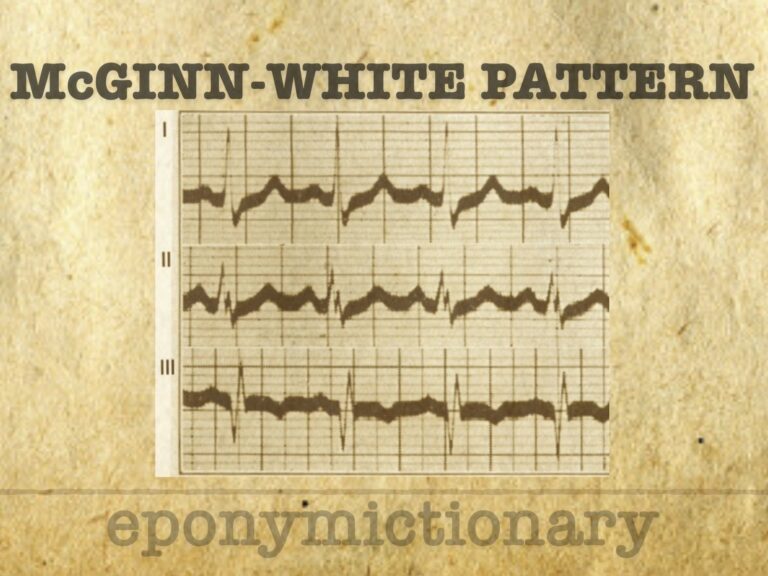
S1Q3T3 McGinn-White pattern indicates right heart strain and predicts severe PE outcomes. ECG sign of pulmonary embolism described in 1935.

Alexis Littré (1654–1726), French anatomist; Littré’s hernia, glands, and operation; anatomical insights with lasting surgical impact

Eponymous medical triads, tetrads, and pentads: clusters of signs and symptoms aiding diagnosis and clinical teaching

Claudius Amyand (c.1681–1740), Huguenot refugee and Serjeant-Surgeon to George II, performed the first recorded appendicectomy, giving his name to Amyand’s hernia

Thomas Stephen Cullen (1869 – 1953) was a Canadian gynecologist. Eponymously affiliated with Cullen sign (1918)