
EMI 025 AcapellaScience
Awesome AcapellaScience with Bohemian Gravity based on his thesis and the Molecular Shape of you - geekily fantastic

Awesome AcapellaScience with Bohemian Gravity based on his thesis and the Molecular Shape of you - geekily fantastic
Should Big Pharma control everything in your life?
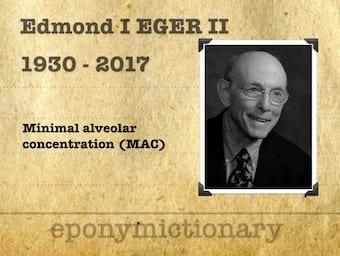
Edmond 'Ted' Eger II (1930 – 2017) was an American anesthesiologist. Minimal alveolar concentration (MAC)

The style is straightforward, and runs through, in extreme detail, multitudinous interactions between the intern and his patient – an absolute gushing fountain of information about every presentation that could possibly sneak into a hospital that clearly mops up the…

Research and Reviews (R&R) in the FastLane: experts worldwide tell us what they think is worth reading from emergency medicine and critical care literature
Definition, mechanism, and clinical significance of ventricular tachycardia (VT). Typical ECG findings with examples of monomorphic VT
Ventricular Flutter. Extreme form of VT with loss of organised electrical activity. Short lived with progression to ventricular fibrillation
A review of the ECG features of inferior STEMI, Inferior ST elevation myocardial infarction LITFL ECG Library
A review of the ECG features seen in TCA overdose, which occur due to a combination of sodium channel blockade and antimuscarinic effects
Sinus rhythm with resting heart rate (HR) > 100 bpm in adults, or above the normal range for age in children
Sinoatrial exit block - failed propagation of pacemaker impulses beyond the SA node with intermittent failed atrial depolarisation (dropped P waves)
Sick Sinus Syndrome. Characterized by abnormal sinus node functioning with resultant bradycardia and cardiac insufficiency.