

Why so blue?
A 40-year-old man presented to the emergency department with shortness of breath, chest pain and reported a pre-syncopal episode. But why so blue?


A 40-year-old man presented to the emergency department with shortness of breath, chest pain and reported a pre-syncopal episode. But why so blue?

As leader of the MET team you were called to a 'Cardiac megacode' as a 57 year-old man has arrested on the ward post-operatively...
A woman in the ICU has a problem. Her leg has turned blue. Can you handle this Phlegmasia case-based cardiovascular curveball?
This 86 year old male presented with shortness of breath. He developed a complication after insertion of a left chest drain.

Lisfranc fracture named after Jacques Lisfranc de Saint-Martin and his amputation - removal of the forefoot at the tarsometatarsal joint complex (1815)

Robert Arden Miller (1906 – 1976) American anesthesiologist. Miller laryngoscope blade, first manufactured by the Welch-Allyn Company (1941)

According to an editorial in the NEJM, decompressive craniectomy "has a proven benefit in the management of malignant cerebral edema after ischemic stroke”... We point out the caveats to this assertion.

Although I ‘love’ jellyfish from the point of view of a clinician, I try to avoid getting too ‘up close and personal’ with them. Unfortunately upon diving into the Indian Ocean last weekend – a maneuver described as ‘ungainly’ by…

An open fracture is a fracture that communicates with an overlying disruption of the skin and soft tissues. AKA compound fractures.
A 21-year-old male with a background of schizophrenia and previous intentional overdose, weighing 70kg, was brought to the ED via ambulance after having a witnessed seizure at home.
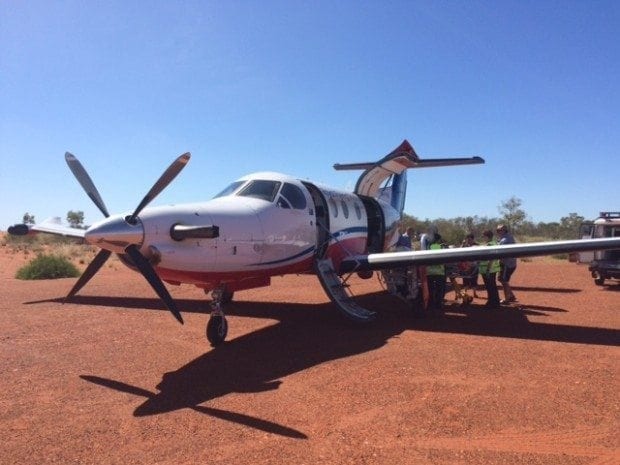
Dr Chris Edwards @EMtraveller recounts his time as a remote retrieval registrar based in Alice Springs

This is a guest post by Dr Michelle Withers (@desertoak) On February 12th, 2018, a new and completely unique service went live in Alice Springs – the Medical Retrieval and Consultation Centre (MRaCC). The Central Australian Retrieval service has been…