
Adult Intubation Checklist
Adult intubation checklist for emergency airway management, covering preparation, pre-intubation pause, backup plans and post-intubation care.


Adult intubation checklist for emergency airway management, covering preparation, pre-intubation pause, backup plans and post-intubation care.

How can clinicians judge whether AI in cardiology is trustworthy? Review validation, workflow fit, governance, clinical utility, and real-world value.
Airway anatomy is crucial for bronchoscopy and airway management, emphasizing orientation, normal variants, and recognizing abnormalities
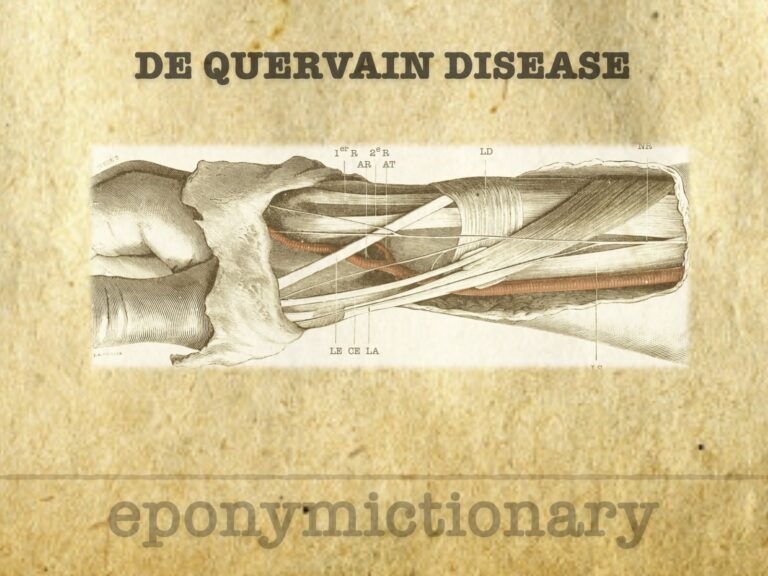
De Quervain disease: first dorsal compartment stenosing tendinopathy, history, diagnosis, Finkelstein/Eichhoff tests and treatment.
Learn how clinicians can use AI for medical education and research while protecting critical thinking, verifying evidence, and avoiding cognitive debt.
Patient preparation is vital for performing bronchoscopy safely in the ICU. Key considerations include: time out, consent, and patient monitoring, patient and equipment positioning, consideration of awake versus intubated & sedated bronchoscopy, medications, ventilator settings, and effective teamwork including prebrief.
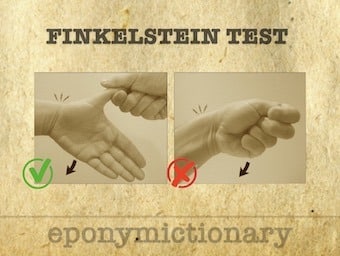
Finkelstein test: original manoeuvre for de Quervain disease, Eichhoff confusion, false positives, Brunelli and WHAT variants.
Haemoptysis is the expectoration of blood originating from the respiratory tract below the vocal cords, ranging from minor blood-streaked sputum to life-threatening haemorrhage.
Explore how Consensus and Silvi support literature searching, screening, and data extraction while preserving transparent, human-led research workflows.
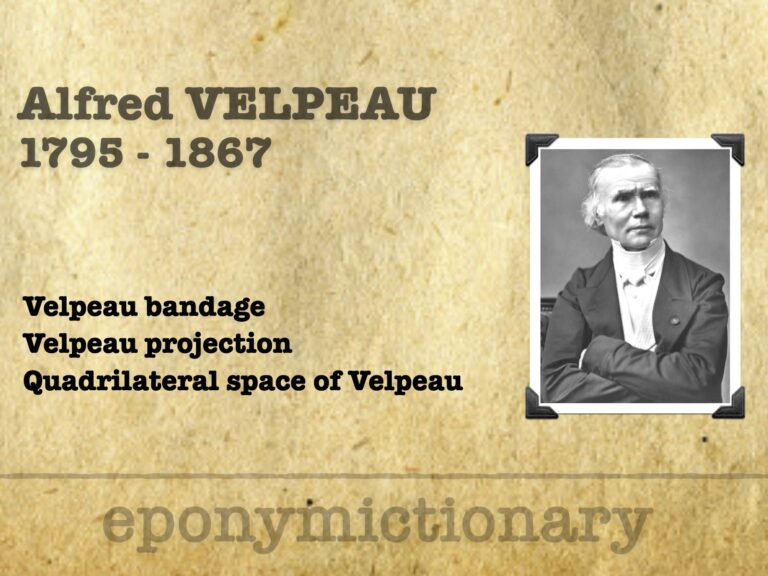
Alfred Velpeau (1795-1867), French surgeon and anatomist. Velpeau bandage, projection, quadrilateral space, and leukaemia
Followership is a critical competency that enhances team performance, patient safety, and error prevention through active engagement, adaptability, speaking up, mutual monitoring, and collaborative support. However, effective followership also depends on supportive leadership and organisational culture.

pyramid dressing technique for temporary control of extremity arterial haemorrhage, converting tourniquet control into focused local pressure.