
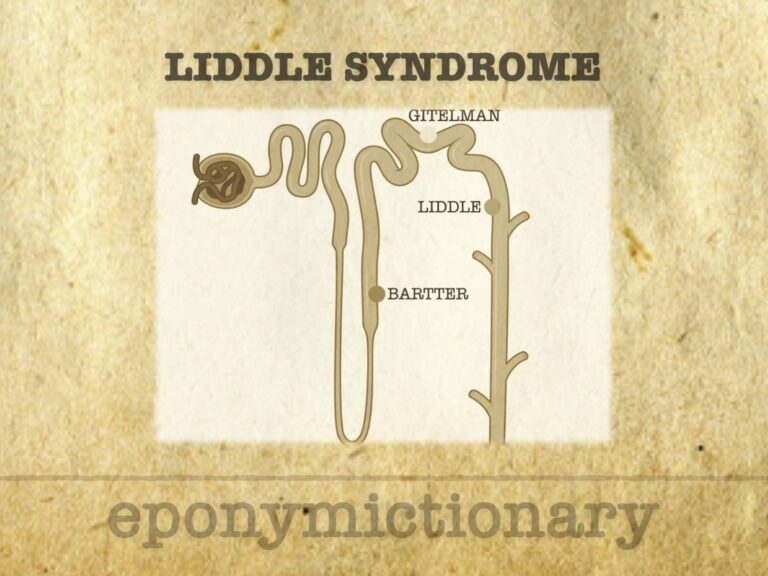
Liddle Syndrome
Liddle Syndrome: Monogenic hypertension due to ENaC overactivity in the collecting duct. Causes sodium retention, hypokalaemia, low renin and aldosterone—pseudo-aldosteronism.

Liddle Syndrome: Monogenic hypertension due to ENaC overactivity in the collecting duct. Causes sodium retention, hypokalaemia, low renin and aldosterone—pseudo-aldosteronism.
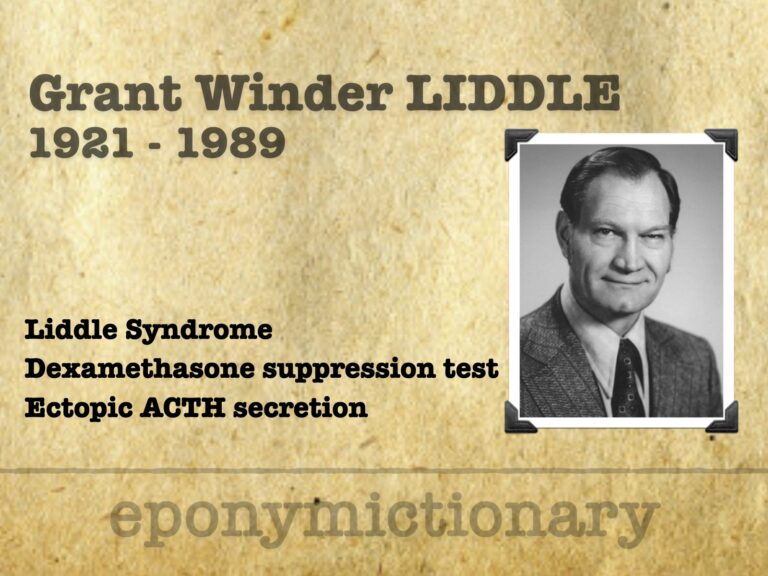
Grant Winder Liddle (1921-1989) American endocrinologist. Pioneer of endocrine diagnostics; discovered Liddle syndrome, developed suppression tests, and defined ectopic ACTH
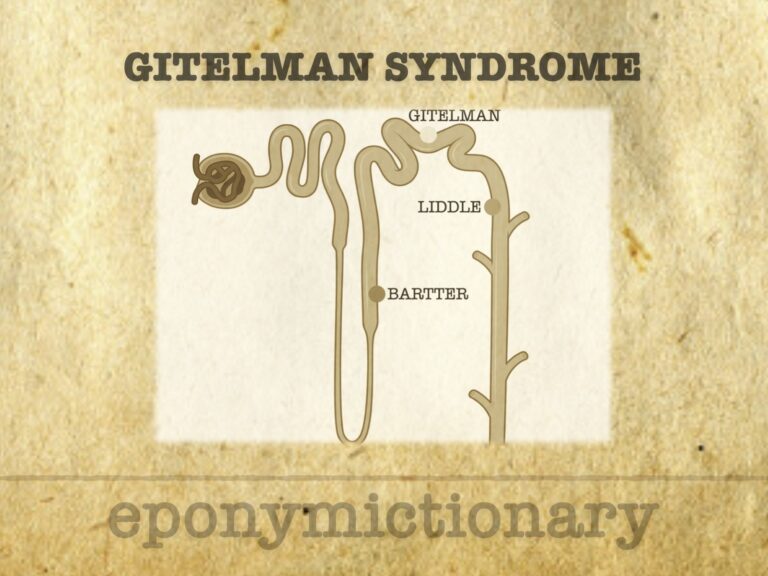
Gitelman Syndrome: Inherited defect in Na⁺-Cl⁻ cotransport in the distal tubule, causing hypokalaemia, alkalosis, hypomagnesaemia, and hypocalciuria—thiazide-like effect.
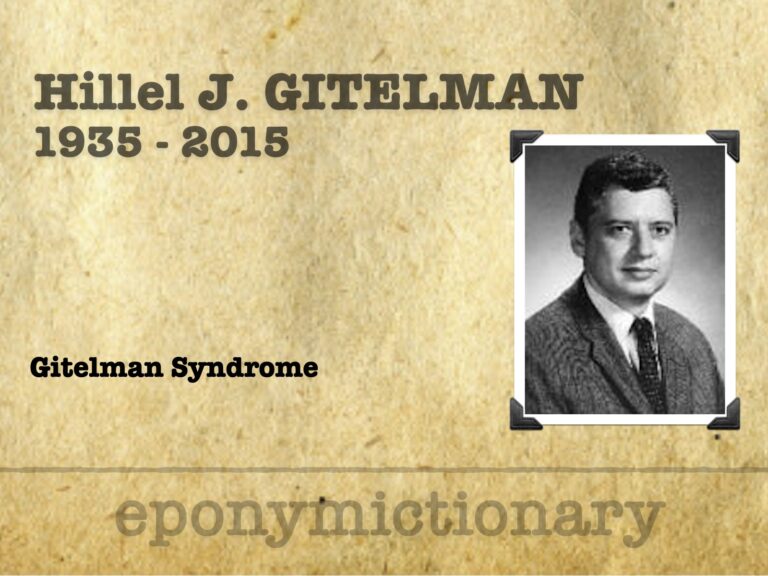
Hillel J. Gitelman (1932–2014) American nephrologist. Described Gitelman syndrome, a renal tubulopathy mimicking thiazide effect with hypokalaemia and hypomagnesaemia.
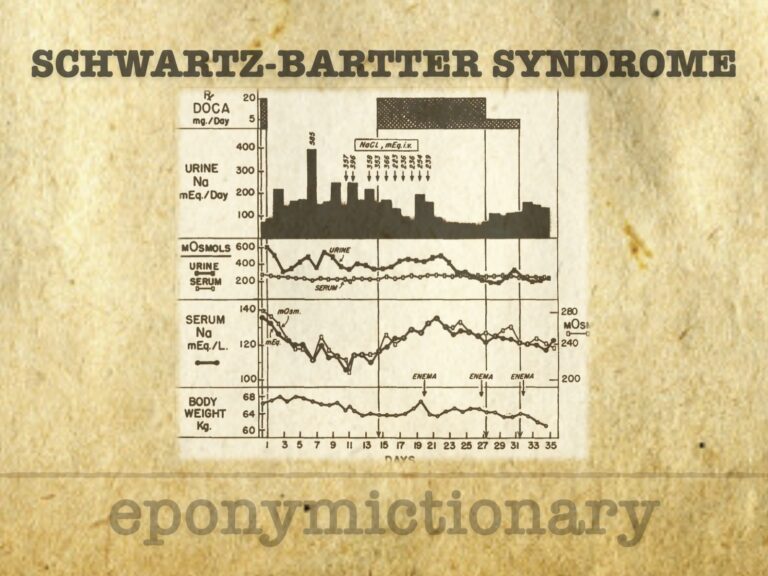
Schwartz-Bartter Syndrome (SIADH): Excess ADH leads to water retention and dilutional hyponatraemia, with low serum sodium and osmolality but inappropriately concentrated urine.
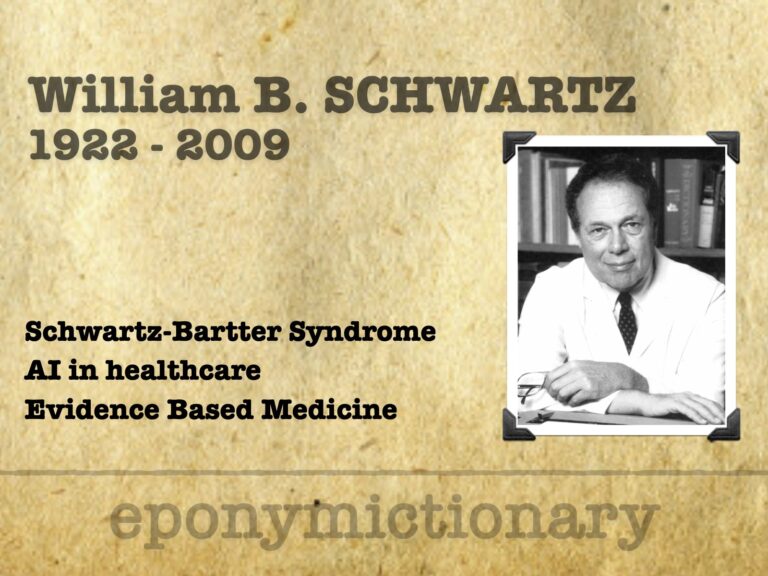
William B. Schwartz (1922–2009) American nephrologist. Co-described SIADH, pioneered decision theory, medical AI, and ethical health care rationing.
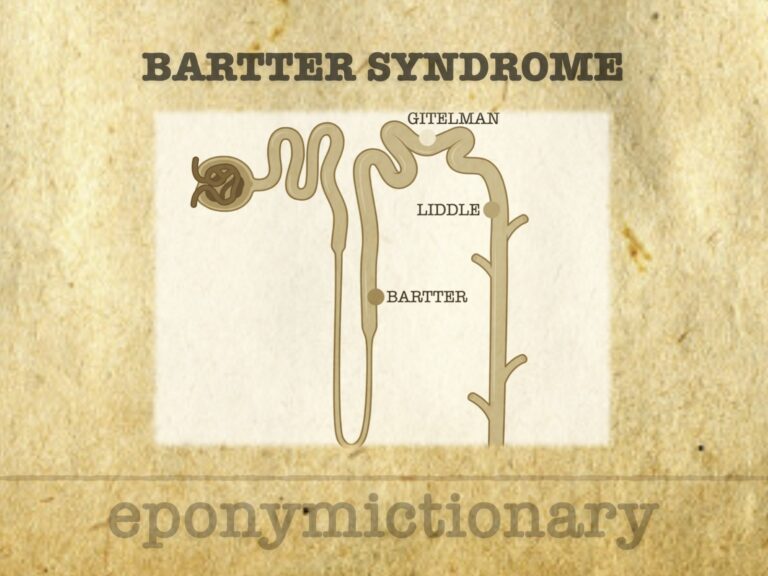
Bartter Syndrome: Renal tubulopathy with hypokalaemic alkalosis, high renin and aldosterone, normal BP, and polyuria—mimics loop diuretic effect at the thick ascending limb.
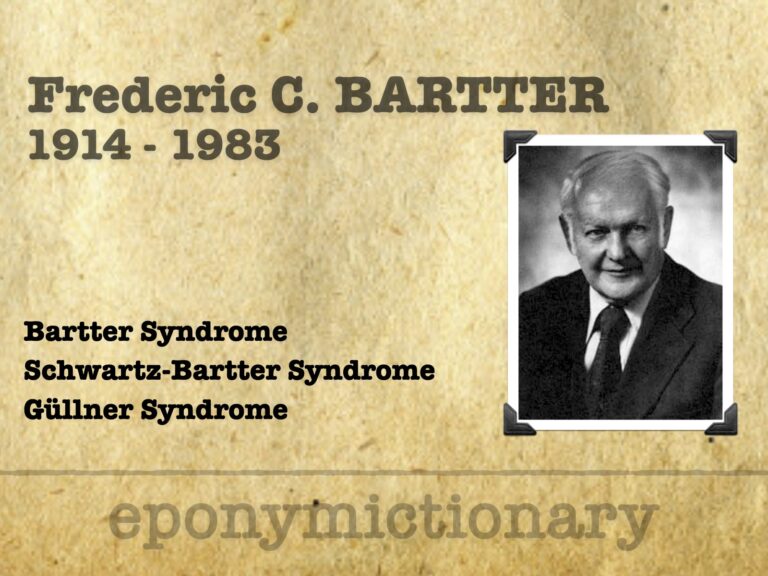
Frederic Crosby Bartter (1914–1983) American endocrinologist. Defined Bartter syndrome, co-described SIADH, and advanced adrenal and renal physiology.

Augustus Desiré Waller (1856–1922) was a British physiologist who recorded the first human electrocardiogram (ECG) in 1887. His work laid the foundation for modern electrocardiography and inspired Willem Einthoven’s innovations.
Brain Herniation Syndromes. Clinical and radiological assessment of 13 cases. Neuroimaging case study series with Teresa Crow, Troy Carnwath, Scott DiMeo, L. Erin Miller and Natalie Rall
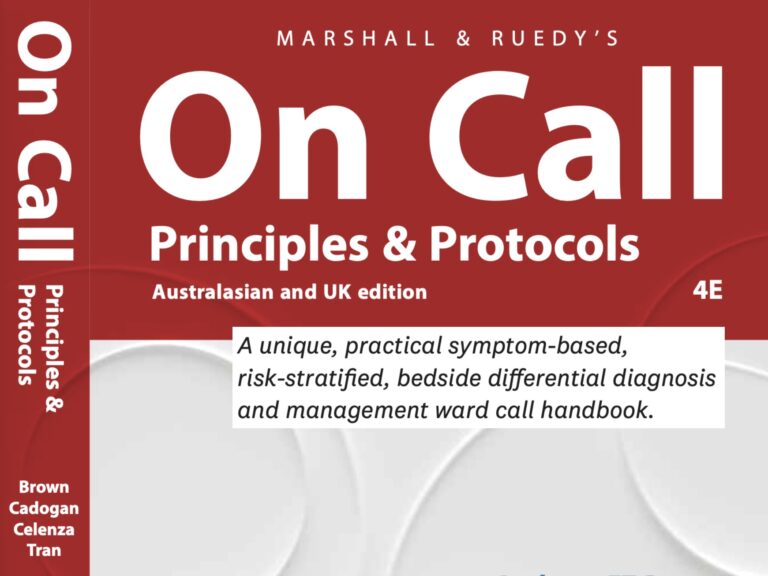
On Call 4th Edition: practical, symptom-based, risk-stratified handbook for ward calls in Australasia & UK. Updated, expanded, and evidence-based.
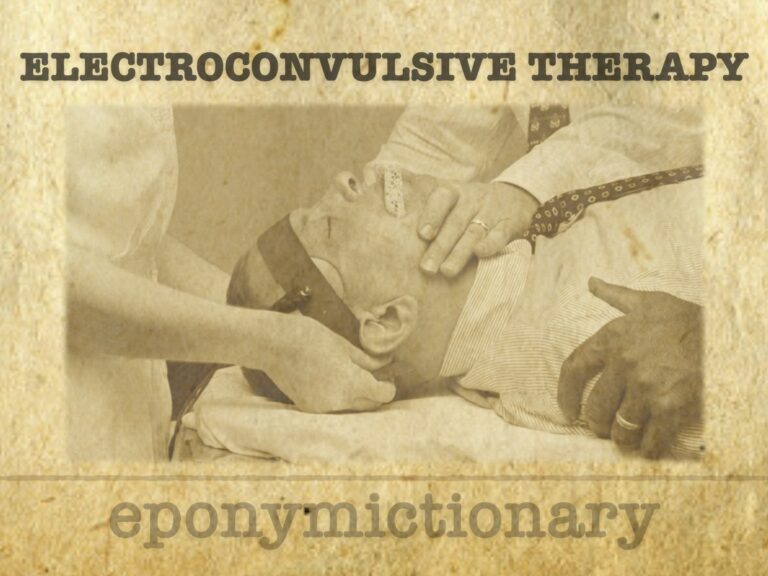
Electroconvulsive therapy (ECT): history, pioneers, modern use, efficacy, and controversy, one of psychiatry’s most enduring treatments.