

Blood Gas Interpretation
The blood gas is used to rapidly assess ventilatory function and identify acid-base disorders – and will also generally provide point-of-care testing of a number of values such as electrolytes, blood glucose and haemoglobin.


The blood gas is used to rapidly assess ventilatory function and identify acid-base disorders – and will also generally provide point-of-care testing of a number of values such as electrolytes, blood glucose and haemoglobin.

Bryant’s sign: Scrotal ecchymosis associated with ruptured abdominal aortic aneurysm (AAA) first described in 1903 by John Henry Bryant (1867-1906)

Update 051. Sending you FOAMed content from around the globe. Latest trends and best articles so that you stay top of your field.

A 40-year-old female, presents with headache and abrupt left sided visual disturbance. She has a history of T2DM and hypertension.
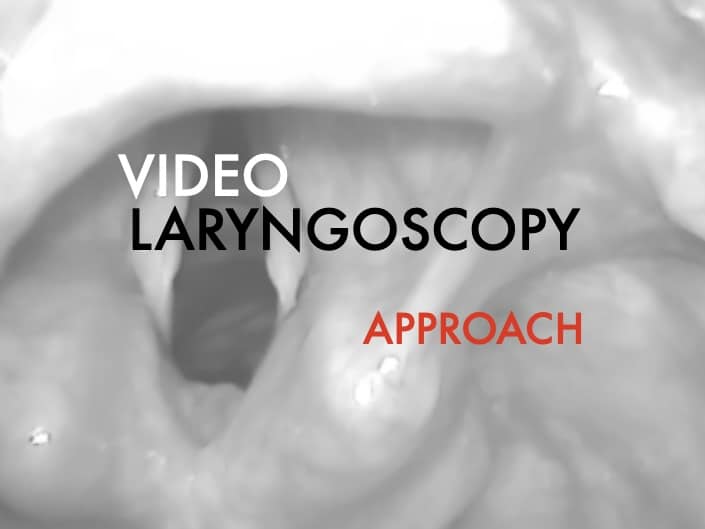
A stepwise approach to video laryngoscopy: blade entry, airway landmarks, vallecular positioning, glottic exposure, device delivery and tube passage.
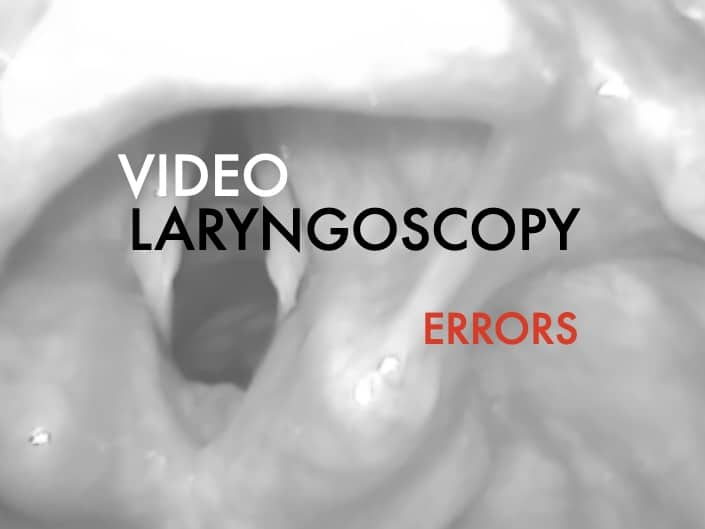
Performance errors in video laryngoscopy: Compare SGVL and HAVL taxonomies, common pitfalls, and how structured review improves airway feedback.

Structured format to review video laryngoscopy. Describe anatomy, identify performance errors, assess recovery and guide feedback.
Update 050. Sending you FOAMed content from around the globe. Latest trends and best articles so that you stay top of your field.

Funtabulously Frivolous Friday Five 360 - Just when you thought your brain could unwind, enter the medical trivia of FFFF.
A 50-year-old woman presents with 3 days of frank haematuria and left loin pain. She had a fall 1 week prior to her presentation.
Emergency procedure, instructions and discussion: Pelvic binders can be applied to patients following blunt trauma if there is any suspicion of pelvic fracture.
Emergency Procedure: Pelvic Binders. Pelvic binders can be applied to patients following blunt trauma if there is any suspicion of pelvic fracture.