
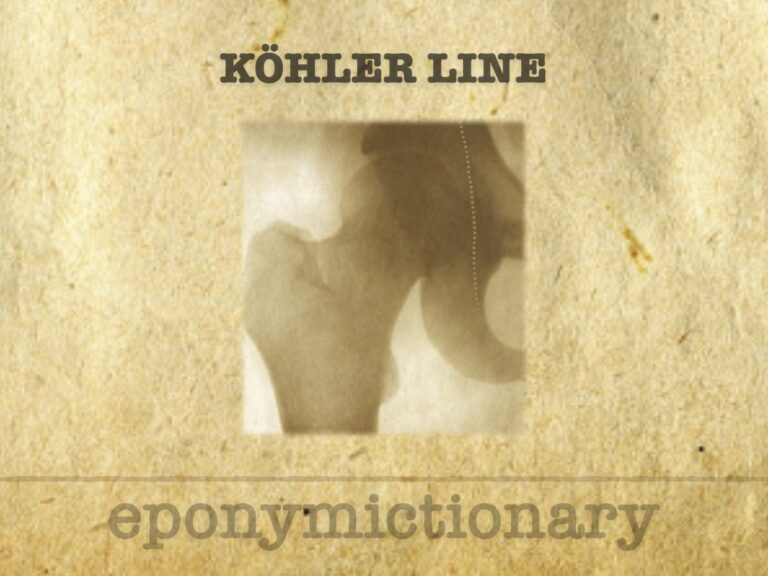
Köhler line
Köhler line is the ilioischial line on AP pelvis X-ray, to assess coxa profunda and protrusio acetabuli. History and interpretation.


Köhler line is the ilioischial line on AP pelvis X-ray, to assess coxa profunda and protrusio acetabuli. History and interpretation.
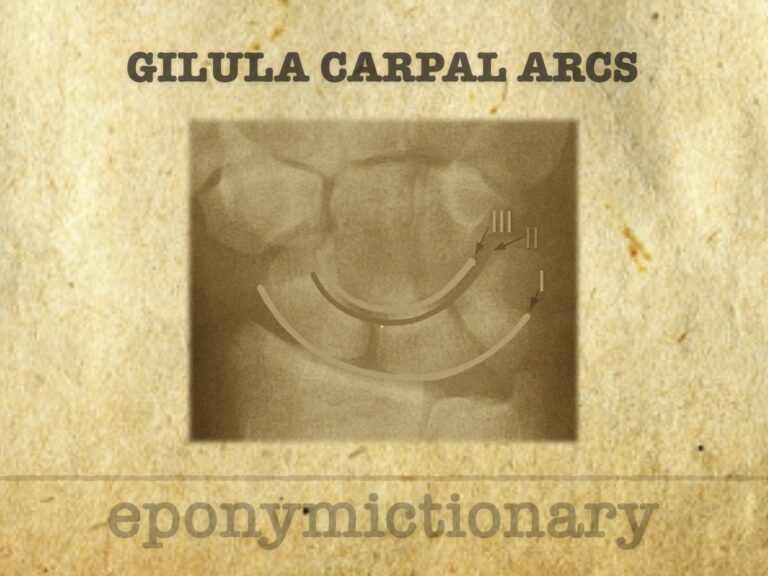
Gilula carpal arcs. Three smooth lines used to assess carpal alignment on PA wrist X-rays. Definition, disruption, variants and history.

Shenton line is the cervico-obturator arc used to assess hip alignment on AP pelvic radiographs. Definition, history, Ménard attribution and eponymythology.
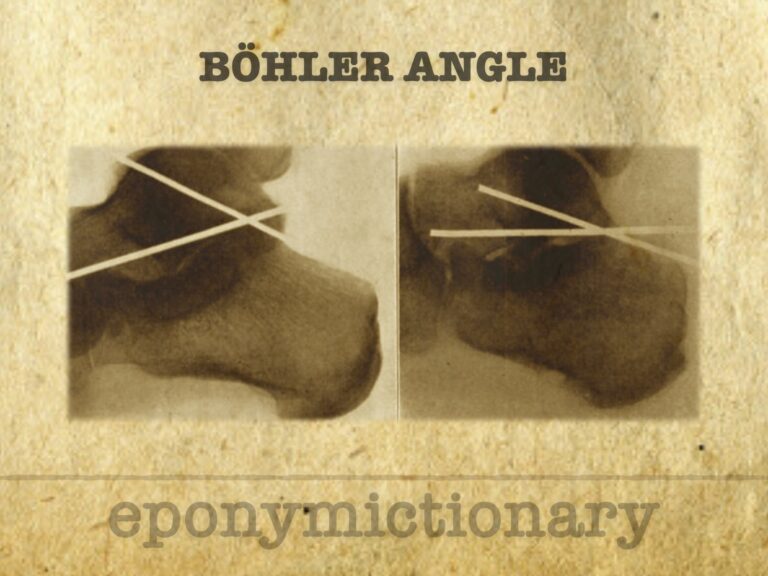
Böhler angle: radiographic measurement, normal values, clinical use, limitations and the original 1929 description by Lorenz Böhler.
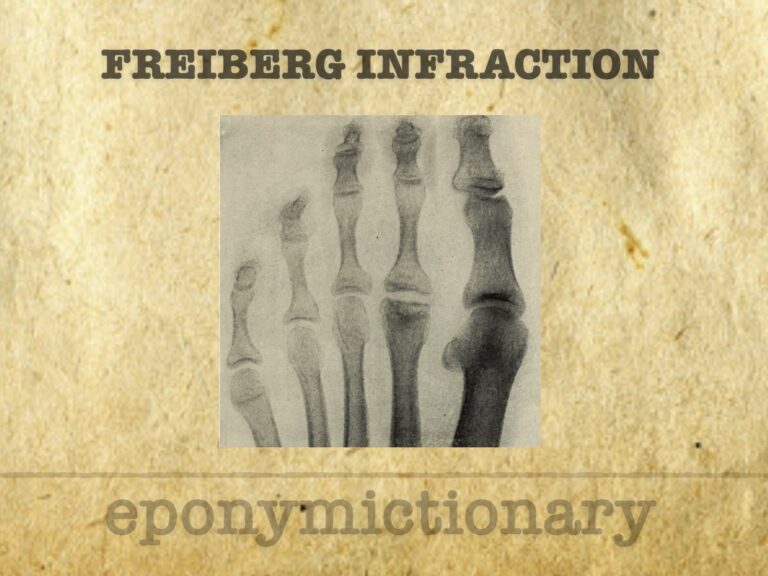
Freiberg infraction is osteochondrosis of a lesser metatarsal head, usually the second. Review presentation, imaging, treatment, history and eponymythology.
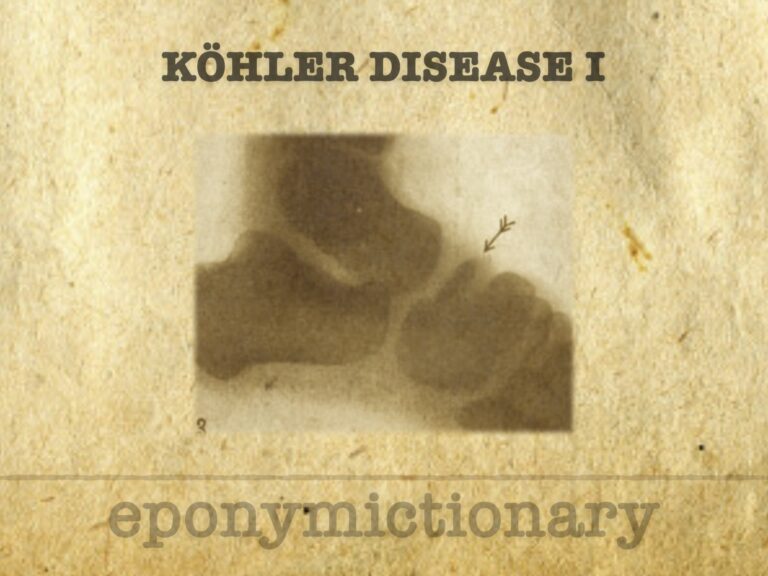
Köhler disease is a self-limiting osteochondrosis of the tarsal navicular in children. Definition, imaging, management, prognosis, history and eponymythology.
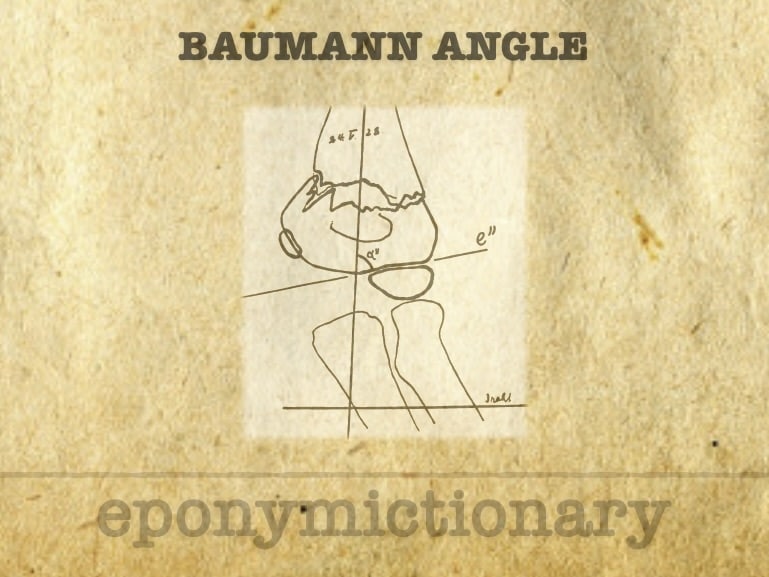
Baumann angle. How to measure distal humeral alignment, normal values, use after paediatric supracondylar fractures, limitations and history.
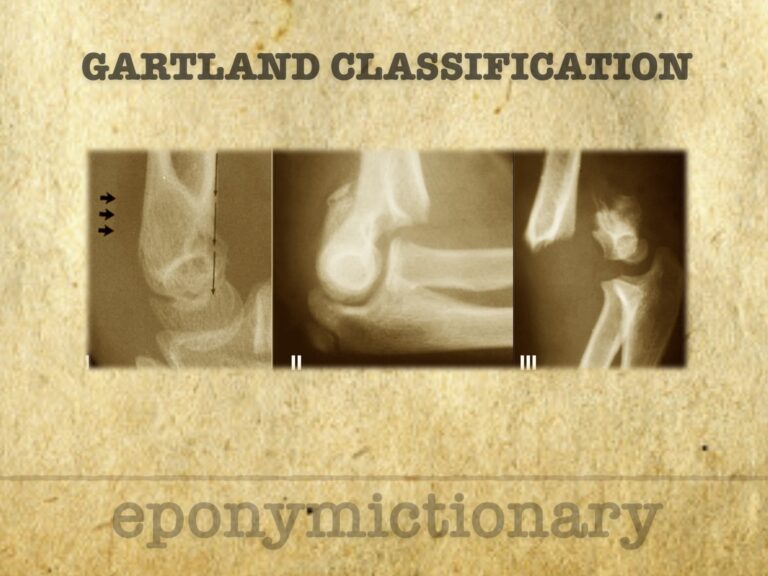
Gartland classification of paediatric supracondylar humeral fractures. Types I–IV, clinical use, Wilkins modification and historical development

Blunt cerebrovascular injury: Expanded Denver screening, CTA diagnosis, Biffl grading, antithrombotic treatment and follow-up.
Review of the best online computed tomography (CT) course providers. Here are the top #FOAMed and paid options.

Podcast: What is clinical event debriefing? How does it differ from simulation debriefing? How do you actually make it routine in a busy ED?
Paediatric intubation checklist covering preparation, weight-based equipment, pre-intubation pause, rescue plans and post-intubation care in children.