
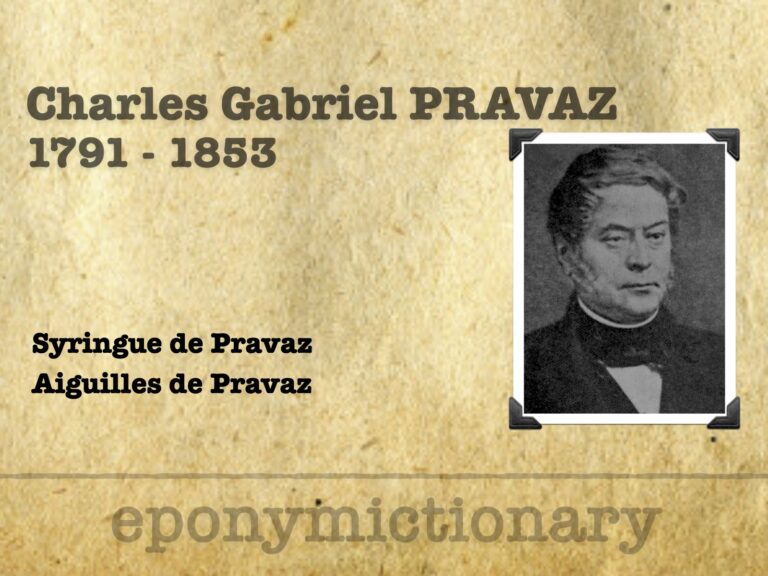
Charles Pravaz
Charles Gabriel Pravaz (1791–1853). French orthopaedic surgeon developed the Pravaz syringe, an early controlled injection device for aneurysm treatment.

Charles Gabriel Pravaz (1791–1853). French orthopaedic surgeon developed the Pravaz syringe, an early controlled injection device for aneurysm treatment.
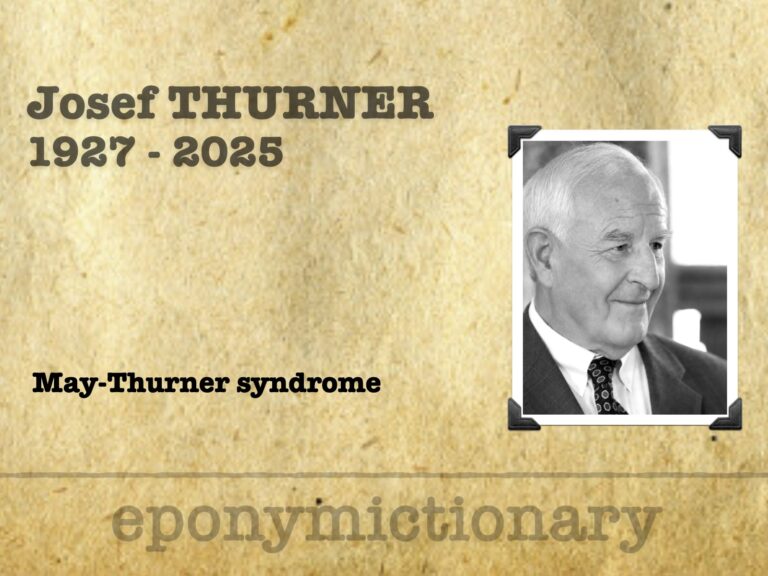
Josef Thurner (1927-2025), Austrian pathologist; May–Thurner syndrome; led pathology in Salzburg; published widely on venous disease.
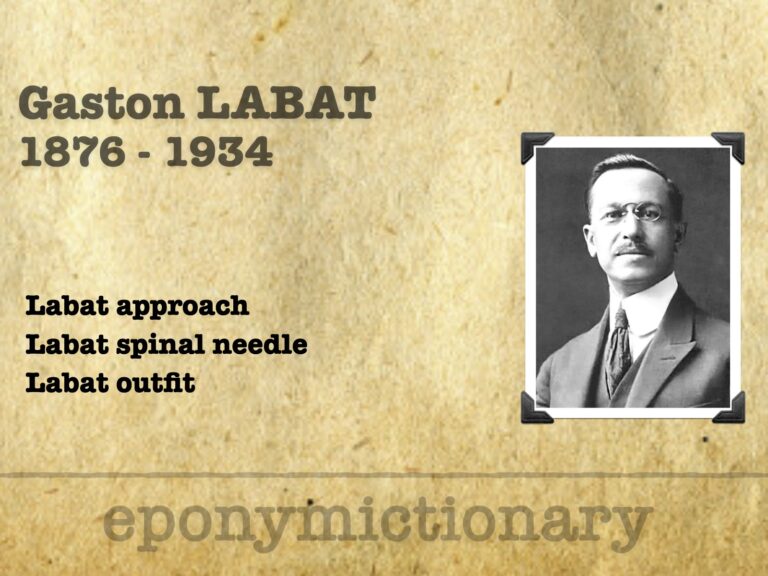
Gaston Labat (1876–1934). Regional anaesthesia pioneer, author of Regional Anesthesia, founder of ASRA, and namesake of the Labat sciatic block, Labat spinal needle and Labat outfit
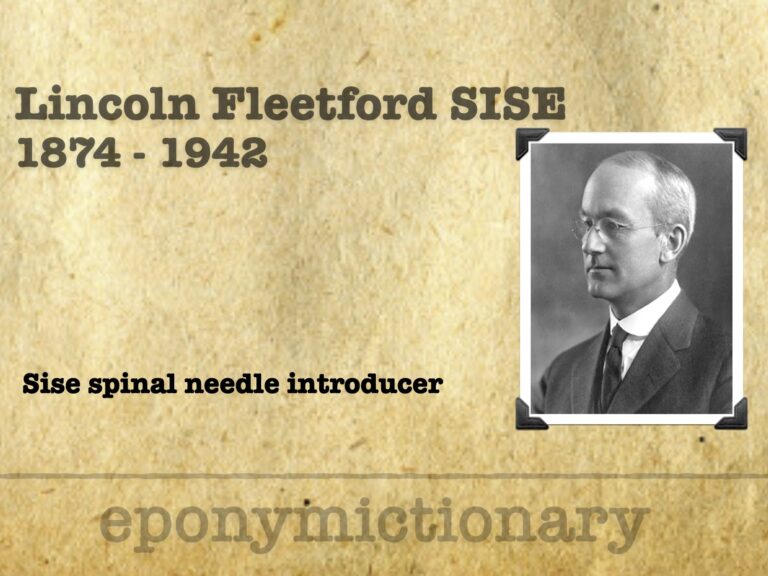
Lincoln Fleetford Sise (1874-1942). Lahey Clinic anaesthetist known for fine-gauge spinal needle introducers and safer spinal anaesthesia.
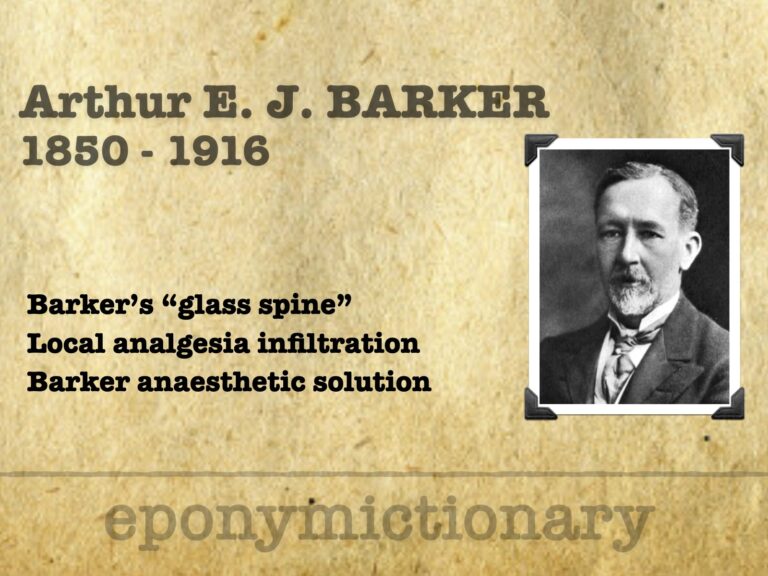
Arthur Edward James Barker (1850-1916). British surgeon, asepsis pioneer, and key figure in local infiltration and spinal analgesia.

Barnett Alan Greene (1907-1999) American anaesthesiologist. Use of fine-gauge obstetric spinal needles and reducing post-spinal headache.

Herbert Merton Greene (1878-1962), American physician who linked post-lumbar puncture headache to dural trauma and designed the Greene needle

Macdonald Critchley (1900–1997): Pioneering neurologist of higher brain function; author of The Parietal Lobes; leader, teacher, and medical humanist.
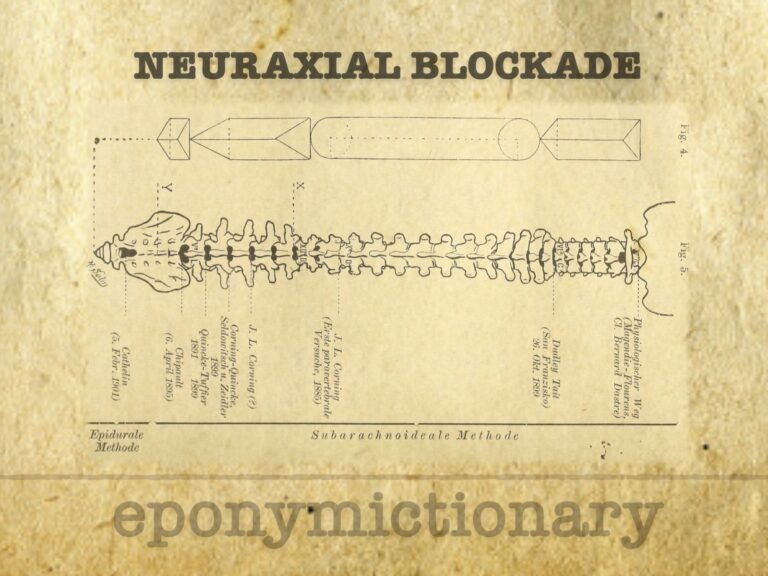
History of neuraxial anaesthesia: milestones in spinal and epidural blockade from Koller and Corning to Quincke, Bier, Tuohy and Curbelo.
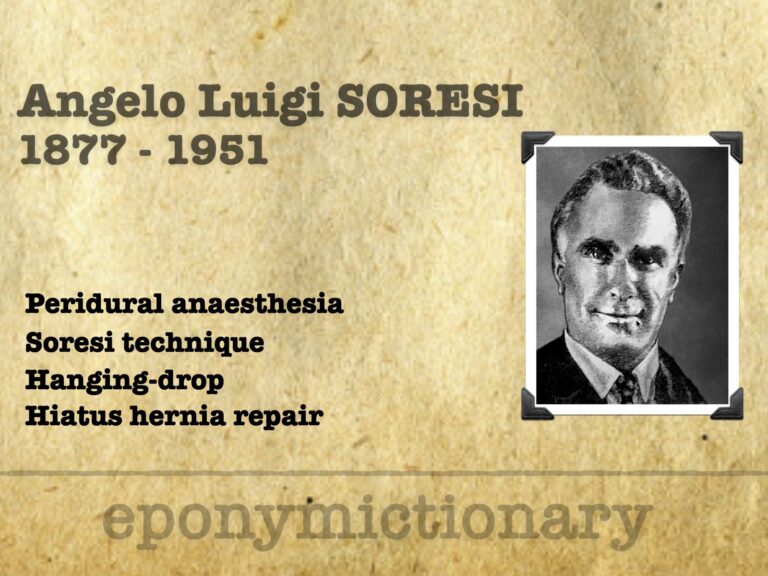
Angelo Luigi Soresi (1877–1951), Italian-born American surgeon who described peridural (epidural) anaesthesia and an early “hanging drop” endpoint for locating the epidural space (1932).
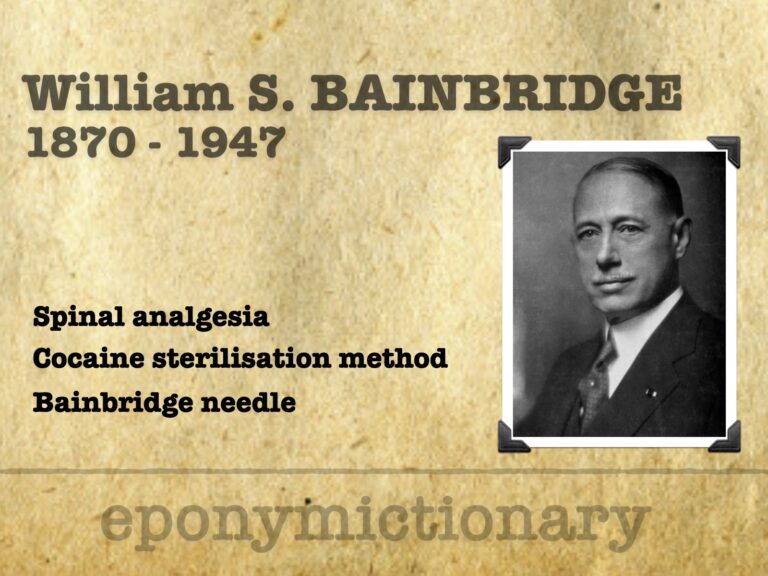
William Seaman Bainbridge (1870-1947), American surgeon, cancer educator, naval physician and early advocate of spinal analgesia in children.

A 35 year old male presents with recurrent episodes of spontaneous bleeding from his right ear. What does the CT angiogram show?