
ECG Case 139
A 71-year-old man is brought to the emergency department after feeling persistently light-headed and unwell at home for the past hour.


A 71-year-old man is brought to the emergency department after feeling persistently light-headed and unwell at home for the past hour.

We made it easy to find the best online mechanical ventilation course provider! Here are the top #FOAMed and paid options.

Spit, scratch, splash or stick? Assess HIV exposure risk in the ED, identify when PEP is needed, and start treatment promptly after significant exposure.
Shreyas launches Ask Pramod, a new series under The Critical Debrief in which we walk through Pramod's research and discuss clinical application. In this first episode we discuss sedative drug overdose and evaluate if there are features of the early clinical assessment that can reliably predict the outcome?
Know Your Lines: adult and paediatric trauma radiograph guides covering key lines, angles, ratios, signs and fracture classifications.
CXR eponyms in pulmonary embolism: Westermark, Hampton, Fleischner, Chang and Palla signs, their history, original descriptions and modern relevance.
Awake in VF. Inferior OMI complicated by refractory ventricular fibrillation, CPR-induced consciousness, stellate ganglion block and successful PCI.
Recognise acute, chronic and advanced HIV in the ED, with practical guidance on testing windows, screening, diagnosis and PJP presentation.
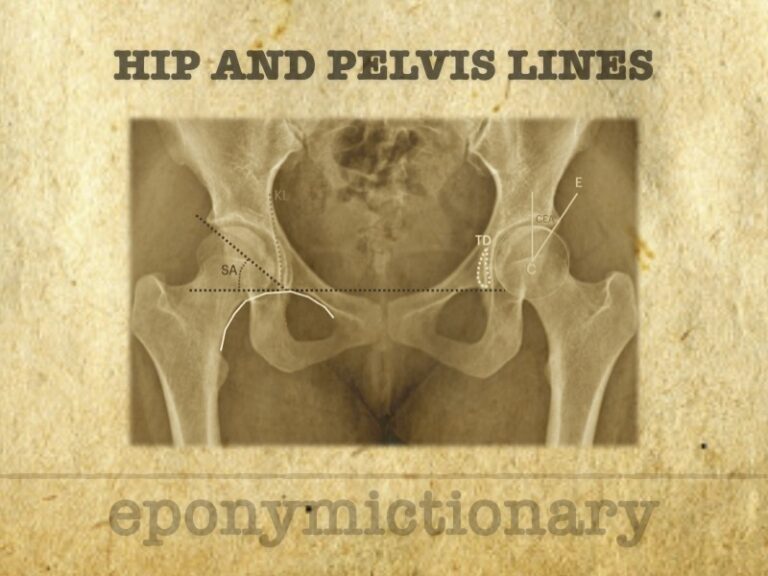
Hip and pelvic radiographic lines, arcs, angles and eponyms used to assess developmental dysplasia, SCFE, mature hip morphology and alignment.
Customisable fracture treatment poster with radiographs, splinting guidance and fillable local follow-up pathways for emergency department use.
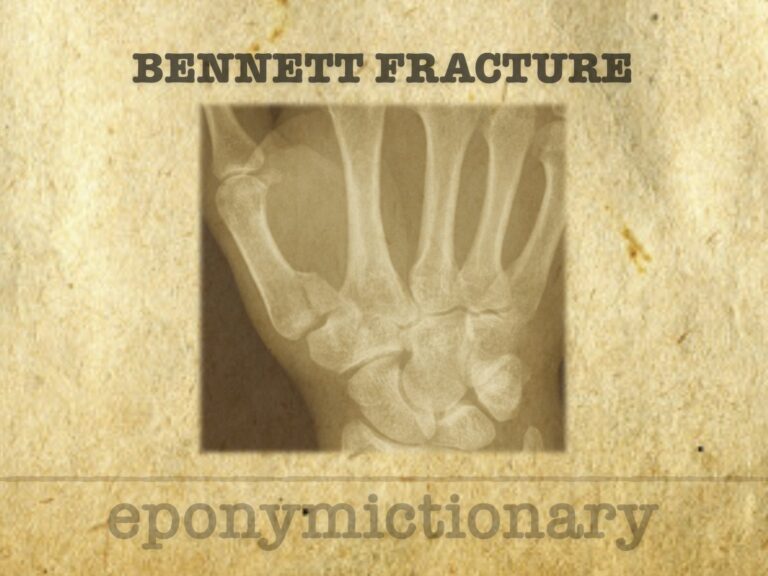
Bennett fracture: definition, imaging, management, distinction from Rolando fracture, and the history of Edward Hallaran Bennett’s eponymous injury.
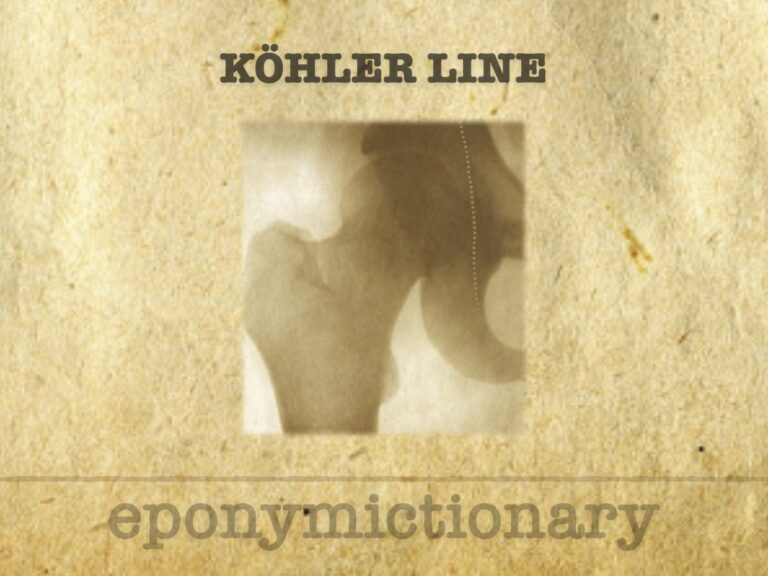
Köhler line is the ilioischial line on AP pelvis X-ray, to assess coxa profunda and protrusio acetabuli. History and interpretation.