
Paediatric Intubation Checklist
Paediatric intubation checklist covering preparation, weight-based equipment, pre-intubation pause, rescue plans and post-intubation care in children.


Paediatric intubation checklist covering preparation, weight-based equipment, pre-intubation pause, rescue plans and post-intubation care in children.
Review the principal ECG criteria for left ventricular hypertrophy, their historical development, diagnostic performance, limitations and modern use.
Dulcor: a proposed sweet sign of chronic inflammation, linking glycation and advanced glycation end-products with Celsus’s classical cardinal signs.

CICO occurs when adequate alveolar oxygen delivery cannot be achieved despite best attempts at all three upper airway rescue techniques ("Lifelines"): face mask ventilation, supraglottic airway ventilation, and tracheal intubation. CICO management involves recognition of CICO, priming for FONA, and transition to FONA.
Adult intubation checklist for emergency airway management, covering preparation, pre-intubation pause, backup plans and post-intubation care.

How can clinicians judge whether AI in cardiology is trustworthy? Review validation, workflow fit, governance, clinical utility, and real-world value.
Airway anatomy is crucial for bronchoscopy and airway management, emphasizing orientation, normal variants, and recognizing abnormalities
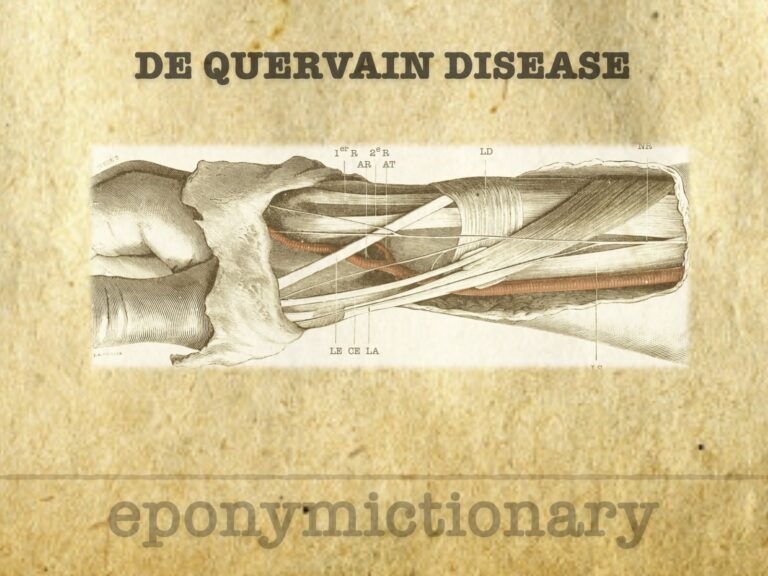
De Quervain disease: first dorsal compartment stenosing tendinopathy, history, diagnosis, Finkelstein/Eichhoff tests and treatment.
Learn how clinicians can use AI for medical education and research while protecting critical thinking, verifying evidence, and avoiding cognitive debt.
Patient preparation is vital for performing bronchoscopy safely in the ICU. Key considerations include: time out, consent, and patient monitoring, patient and equipment positioning, consideration of awake versus intubated & sedated bronchoscopy, medications, ventilator settings, and effective teamwork including prebrief.
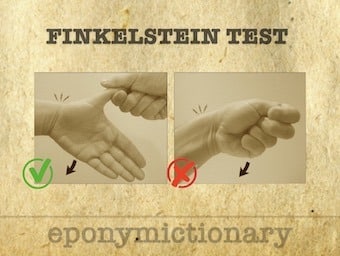
Finkelstein test: original manoeuvre for de Quervain disease, Eichhoff confusion, false positives, Brunelli and WHAT variants.
Haemoptysis is the expectoration of blood originating from the respiratory tract below the vocal cords, ranging from minor blood-streaked sputum to life-threatening haemorrhage.